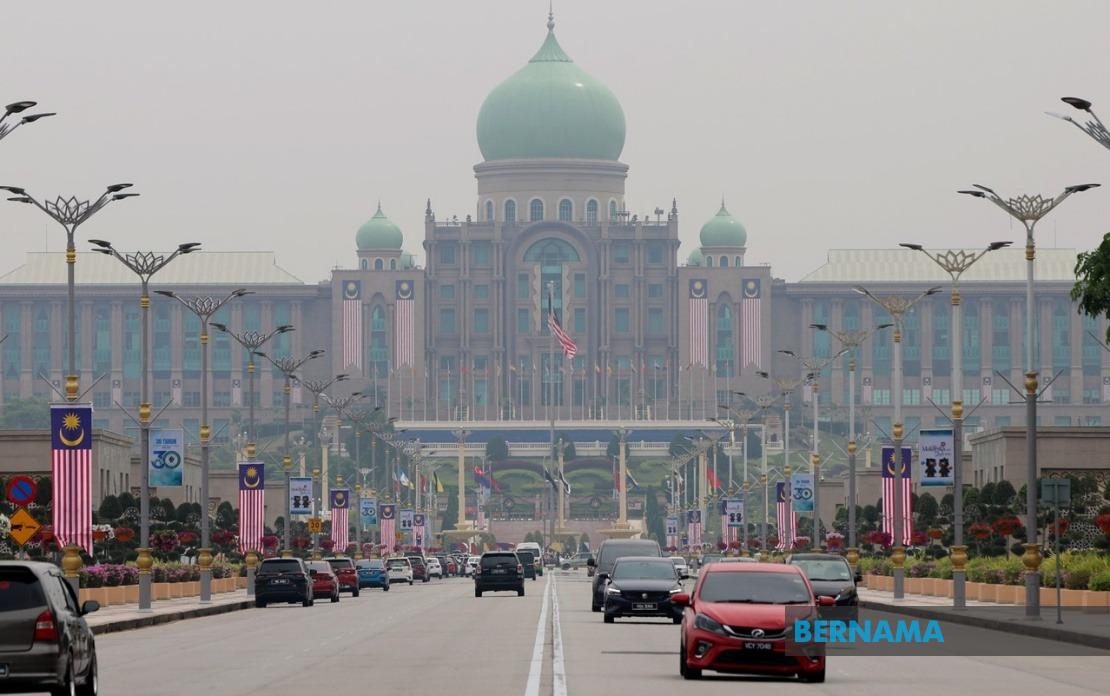
Air quality degradation is expected to persist across Malaysia through the end of August, with the Malaysian Meteorological Department warning that hazy conditions will blanket numerous areas during the final week of the month. The forecast comes as the country prepares for National Day celebrations on August 31, creating a complex scenario for government planners balancing ceremonial obligations against public health considerations.
The principal cause of the anticipated haze stems from two interconnected factors: the ongoing southwest monsoon winds and a sustained abundance of active hotspots concentrated in southern Sumatra and western Kalimantan. These Indonesian provinces have historically served as the primary source of transboundary air pollution affecting Malaysia, particularly during seasons when atmospheric circulation patterns direct smoke and particulates northward across the shared maritime border.
According to Dr Mohd Hisham Mohd Anip, the director-general of MetMalaysia, the MyCMAQ modelling system indicates that Sarawak will experience the most severe impact among Malaysian territories. The department's sophisticated multiscale air quality model projects that most districts throughout the state will deteriorate to the Unhealthy category, with some areas potentially reaching the Very Unhealthy classification on August 30 and 31. This represents a significant public health concern for a state already vulnerable to transboundary pollution given its geographical proximity to major emission sources.
On the peninsula, the situation demands equal attention despite comparatively lower severity ratings. Sabah is forecast to experience the onset of hazy conditions beginning Saturday, with the trajectory suggesting gradual worsening through the week. The federal territories and southern peninsular states present a more complex picture, where high concentrations of haze pollution could affect residents of Johor, Melaka, Negeri Sembilan, Selangor, Kuala Lumpur and Putrajaya simultaneously through the month's conclusion. The concentration of impact in these economically vital regions, particularly the Klang Valley corridor, underscores the nationwide significance of this meteorological event.
The timing of this air quality deterioration has introduced unprecedented complications for National Day planning. Communications Minister Datuk Seri Fahmi Fadzil publicly acknowledged that the government is actively evaluating whether to reduce the scale of the August 31 celebrations or relocate the event to an alternate venue. Such a decision would represent a rare modification to Malaysia's most significant patriotic observance and reflects the seriousness with which authorities now regard transboundary haze as a systemic governance challenge rather than a routine environmental inconvenience.
Prime Minister Datuk Seri Anwar Ibrahim has similarly engaged with the crisis through both practical and symbolic channels. Beyond the logistical considerations, he has called upon Malaysians to offer prayers for atmospheric stabilization, framing the haze situation within a broader national narrative that encompasses not only the August 31 National Day but also Malaysia Day on September 16. The sequential positioning of these two major celebrations within a fortnight creates compounded planning pressures, as government machinery must simultaneously prepare ceremonial infrastructure while remaining prepared to adapt quickly should air quality deteriorate further than currently projected.
The MetMalaysia department has committed to continuous real-time monitoring of atmospheric conditions and will issue updated forecasts as new meteorological data emerges. This adaptive approach recognizes that haze trajectory and intensity can shift substantially over days in response to wind patterns and precipitation events. The dynamic nature of the southwest monsoon system means that forecasts issued even days in advance carry inherent uncertainties, necessitating regular recalibration as the situation evolves throughout the final week of August.
For Malaysian residents and businesses across affected regions, this forecast carries immediate practical implications. Schools, outdoor events, and public gatherings may face disruption or cancellation depending on whether air quality indices rise to hazardous levels. Healthcare systems in affected areas can expect increased demand for respiratory complaints and related medical consultations, particularly among vulnerable populations including children, elderly citizens, and those with pre-existing pulmonary conditions. The economic impact extends to transportation disruption, reduced productivity in outdoor industries, and consumer behaviour modifications as citizens limit exposure to hazardous air.
The persistent recurrence of transboundary haze during specific seasons has prompted ongoing regional diplomatic discussions between Malaysia and Indonesia regarding prevention and mitigation strategies. While substantial progress has been achieved through bilateral cooperation and the ASEAN Agreement on Transboundary Haze Pollution, the phenomenon persists as a structural challenge reflecting broader land-use patterns, agricultural practices, and industrial development trajectories across the region. Short-term weather forecasting and alert systems provide necessary tactical responses, yet the underlying problem demands sustained strategic engagement at governmental and corporate levels across Southeast Asia.
For observers of Malaysian governance and public administration, this convergence of environmental crisis and ceremonial planning presents a revealing case study in how modern governments balance symbolic national expressions against pragmatic public welfare considerations. The willingness to contemplate modifications to National Day celebrations demonstrates institutional recognition that meteorological and air quality concerns possess sufficient weight to override traditional protocols—a significant shift in priority hierarchies compared to historical responses to environmental challenges.

