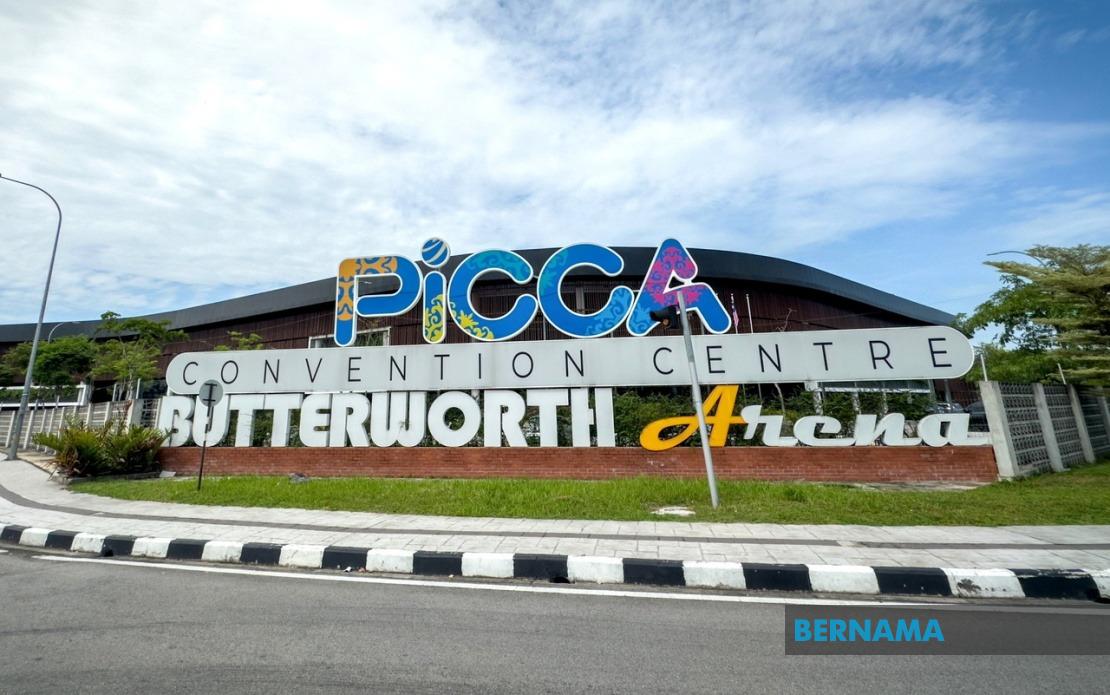
The sixth edition of Malaysia's National Journalists' Day reaches its crescendo today at the PICCA@Arena Butterworth Convention Centre in Penang, drawing approximately 1,000 media practitioners from across the country and abroad. Prime Minister Datuk Seri Anwar Ibrahim will preside over the grand finale at 3 pm, marking a significant moment for the nation's press corps to reflect on their role in society and reaffirm their commitment to professional standards.
This year's observance carries the thematic weight of 'Media Integrity Strengthens Credibility', a declaration that resonates deeply across Southeast Asia as newsrooms navigate an increasingly complex information ecosystem marked by misinformation and public scepticism. The choice of theme underscores concerns within Malaysia's media fraternity about maintaining public trust, a challenge that extends beyond national borders to affect regional discourse and the broader fight against false narratives in the digital age.
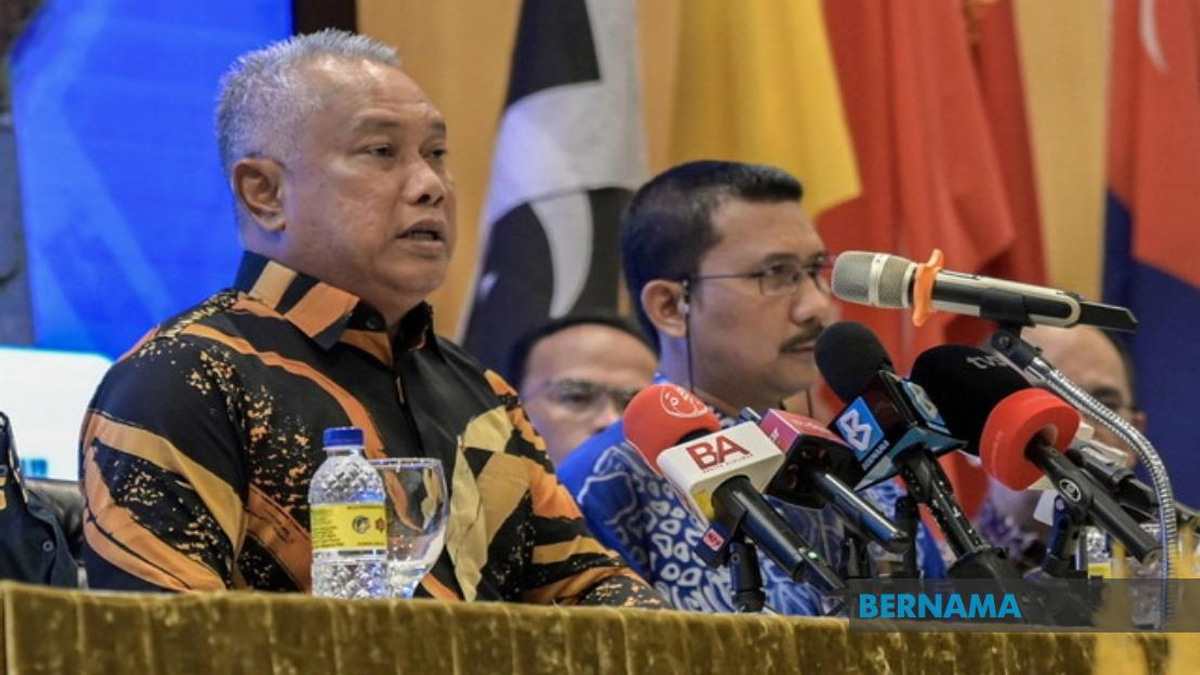
The official proceedings will welcome a constellation of political and institutional leadership, including Penang Chief Minister Chow Kon Yeow and Communications Minister Datuk Fahmi Fadzil, signalling government recognition of media's constitutional importance. Datuk Seri Wong Chun Wai, chairman of the Malaysian National News Agency (Bernama), and senior executives from Malaysia's major media organisations will also participate, reflecting the comprehensive nature of this gathering across print, broadcast, and digital platforms.
A notable dimension of today's event involves international representation, with delegations from Indonesia's Antara News Agency, Vietnam News Agency (VNA), and China's Xinhua News Agency attending alongside regional journalist associations including the Indonesian Journalists Association and the Malaysia-Indonesia Journalists Friendship Association (ISWAMI). This cross-border participation illustrates how media practitioners throughout the region share common challenges and mutual interest in strengthening journalistic standards, particularly as Southeast Asian countries grapple with questions of editorial independence and information verification.
Among the day's central activities, Prime Minister Anwar will present the HAWANA Award and Special HAWANA Award to individuals whose journalism has influenced public understanding and contributed meaningfully to national discourse. The ceremony will also distribute Tabung Kasih@HAWANA contributions to media veterans experiencing financial hardship, demonstrating the profession's responsibility toward its retired and vulnerable members, a matter often overlooked in developed media systems.
Complementing the formal proceedings is the three-day RIUH Pi HAWANA Carnival, a deliberately populist addition to what might otherwise remain an insider's celebration. The carnival, operating throughout the parking area of the convention centre, features performances by established Malaysian musicians including Exists, Bunkface, Masdo, Sakura Band, Budak Nakal Hujung Simpang, and Chelsea Ng, creating a festive atmosphere that extends the celebration beyond media professionals to the general public.
The carnival marketplace encompasses more than 24 local creative product vendors and 20 food and beverage operators, transforming the event into an economic opportunity for small entrepreneurs while offering visitors interactive workshops that demystify media production and journalistic practice. This approach recognises that media literacy and public understanding of journalism's role strengthen the entire information ecosystem, benefiting newsrooms and readers alike.
The road to today's finale involved several preparatory programmes throughout the year, including a media forum on May 7 that provided platforms for substantive discussion of contemporary challenges, a strategic partners engagement event on June 4 that solidified collaboration between news organisations, and a fun walk on June 14 that demonstrated journalistic professionalism's human dimension. Each initiative drew meaningful participation from practitioners and the public, building momentum toward the grand event.
HAWANA itself commemorates the May 29, 1939 launch of Utusan Melayu, Malaysia's pioneering Malay-language newspaper, making the annual observance both historically grounded and forward-looking. The choice to anchor the celebration in press history reminds contemporary journalists of their profession's longevity and the responsibility they inherit from predecessors who established journalism as a cornerstone of Malaysian society during periods of significant national transition.
Organised under the Ministry of Communications with Bernama as implementing agency, HAWANA has evolved into the nation's premier platform for recognising journalistic excellence and affirming media's role as a purveyor of accurate, verified, and authoritative information. In an era when misinformation spreads with alarming velocity across digital platforms and trust in institutions erodes, the annual occasion provides opportunity for reflection on whether the profession is meeting its public obligations.
For Southeast Asian observers, today's celebration carries implications beyond Malaysia's borders. Regional authoritarian pressures on press freedom, economic challenges facing traditional newsrooms, and the digital transformation of media consumption affect journalists throughout the region. Malaysia's visible commitment to honouring media practitioners and centring integrity in its national conversation signals standards that neighbouring countries might emulate, even as the region grapples with varying degrees of editorial freedom and state interference in the information space.