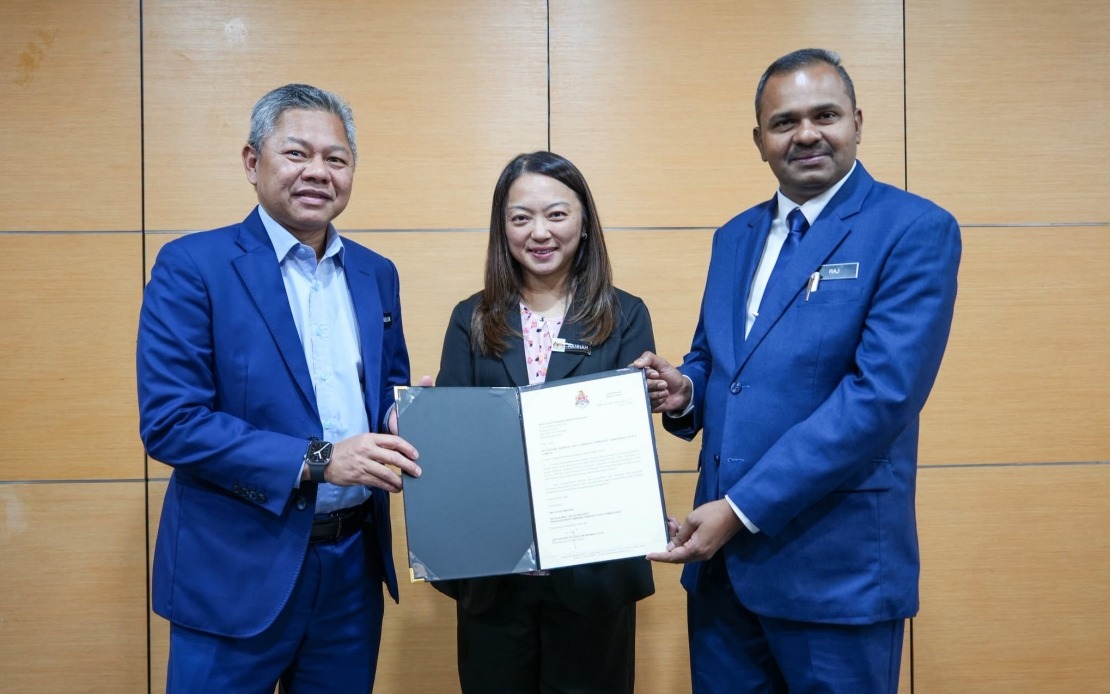
Federal Territories Minister Hannah Yeoh has welcomed the appointment of former prison officer S. Thiyagaraj to the Kuala Lumpur City Advisory Board, expressing her conviction that he will bring valuable experience and dedication to the role. The announcement came during a formal ceremony on June 29 in Kuala Lumpur, where Kuala Lumpur Mayor Datuk Seri Fadlun Mak Ujud presented Thiyagaraj with his official appointment letter.
In her statement, Yeoh emphasised the importance of Thiyagaraj's commitment to fulfilling his duties with integrity and professionalism. She underscored her belief that his background and credentials position him well to offer meaningful counsel to the Mayor on urban administration matters. The minister's endorsement signals governmental confidence in the appointment process and reflects the administration's strategy of drawing on individuals with substantial public sector experience.
Thiyagaraj's career trajectory brings a distinctive institutional perspective to the advisory board. Having spent 18 years in the Prisons Department between 2005 and 2023, he rose to the rank of Assistant Superintendent of Prisons and specialised in the Technical Intelligence and Investigation Unit. This background suggests expertise in operational management, security protocols, and investigative procedures—skill sets that could potentially inform discussions on public safety and administrative efficiency within Malaysia's capital city.
The Kuala Lumpur City Advisory Board functions as a consultative body providing strategic guidance to the Mayor on governance and urban development questions. According to Yeoh, board members shoulder substantial responsibility in enhancing the administrative machinery of the city. Their role encompasses offering perspectives on policy implementation, evaluating development initiatives, and ensuring that city operations remain efficient, transparent, and genuinely responsive to residents' concerns and aspirations.
The appointment reflects broader patterns in Malaysian governance whereby retired public servants transition into advisory and consultative positions. Such moves allow government bodies to tap into institutional knowledge and professional networks cultivated over decades of service. For Thiyagaraj specifically, the transition from the security and correctional sector to city governance represents a redeployment of experience across different administrative domains.
Yeoh's remarks stressed that the advisory board's contributions extend beyond ceremonial functions. She positioned board members as essential partners in the Mayor's decision-making process, emphasising that their counsel directly influences how the city addresses infrastructure, public amenities, regulatory frameworks, and community engagement strategies. This framing elevates the significance of individual appointments and suggests that the selection process warrants careful consideration of candidates' track records and analytical capabilities.
The formal presentation ceremony, attended by the Federal Territories Minister and presided over by the Mayor, underscores the symbolic importance placed on new board appointments. Such official recognition helps establish the legitimacy and public visibility of advisory bodies, reinforcing that their operations form an integral component of Kuala Lumpur's administrative structure rather than peripheral or ceremonial in nature.
For residents and observers of Kuala Lumpur's governance, Thiyagaraj's appointment exemplifies how the city seeks to strengthen its institutional capacity through strategic personnel decisions. The emphasis on his background in investigation and intelligence suggests that the Mayor's office may be prioritising analytical rigour and evidence-based approaches to urban challenges. His expertise in institutional administration could prove particularly relevant as Kuala Lumpur navigates complexities related to municipal efficiency and public accountability.
Yeoh's comments about the necessity of transparency and responsiveness align with broader Malaysian governance discourse around accountability and public service. By publicly commending Thiyagaraj's appointment and articulating expectations around his performance, the minister signals that the government takes advisory board functions seriously and holds members to professional standards. This public accountability mechanism, though informal, creates pressure for substantive rather than perfunctory contributions.
The appointment also reflects demographic and professional diversity considerations within Kuala Lumpur's governance structures. Thiyagaraj's South Indian heritage and background in security and investigative work brings different perspectives and experiences to board deliberations, potentially enriching discussions about how the city serves its multicultural population and addresses varied community concerns.
Moving forward, observers will likely assess Thiyagaraj's contributions through multiple lenses: his ability to offer constructive criticism on city initiatives, his engagement with community stakeholders, and his participation in addressing pressing urban challenges such as traffic management, public space development, and municipal service delivery. The advisory board's effectiveness ultimately depends not merely on the credentials of individual members but on their willingness to provide candid, evidence-informed counsel even when such advice diverges from prevailing administrative preferences.

