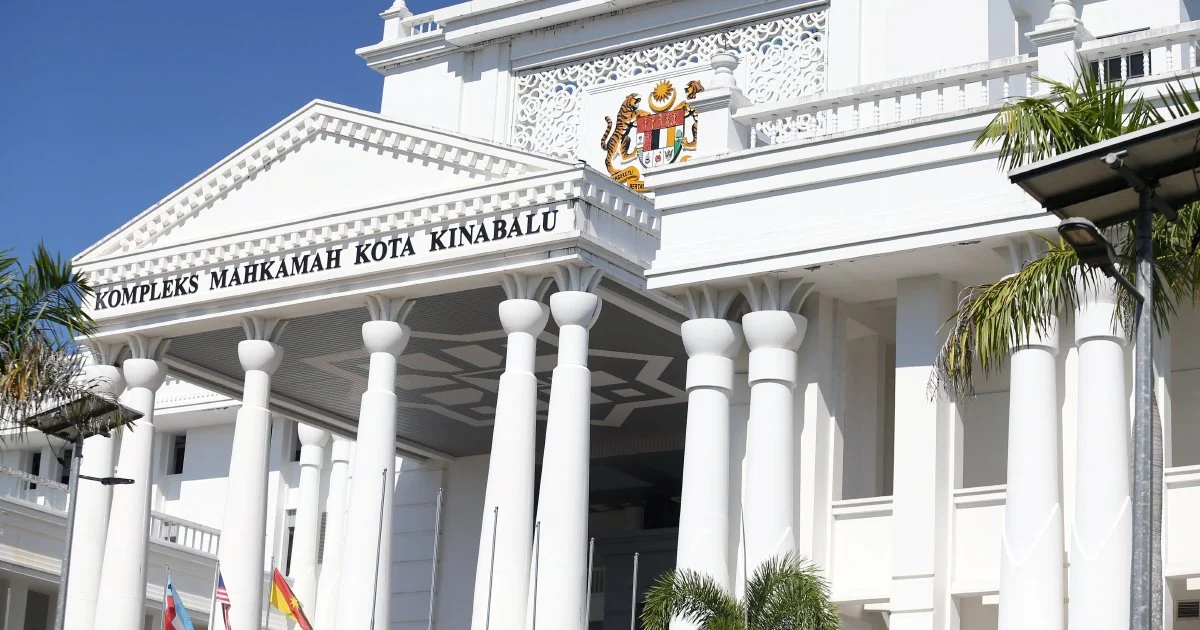
A handwriting expert maintained her professional assessment during proceedings at the Coroner's Court in Kota Kinabalu, testifying that her examination of the journals belonging to the late Zara Qairina Mahathir revealed inconsistencies indicating that not all written entries originated from the deceased herself.
The expert's testimony introduces a significant dimension to the ongoing inquiry into Zara Qairina Mahathir's death, as the handwriting analysis becomes a critical piece of evidence in establishing the authenticity and provenance of personal documents. Such expert analysis is routinely employed in legal proceedings throughout Malaysia and internationally to determine the authorship of disputed writings, particularly in cases where the reliability of records is central to understanding circumstances surrounding an individual's death.
The focus on journal authenticity reflects broader investigative concerns that extend beyond simple documentation. Personal journals, by their nature, are typically expected to be entirely authored by the individual themselves, making any deviation from this norm potentially significant. When a handwriting expert identifies multiple hands at work within a single document, it raises questions about who had access to the journals, under what circumstances additional entries might have been made, and whether such interventions could have any bearing on the broader circumstances under investigation.
Zara Qairina Mahathir, the daughter of former Prime Minister Mahathir Mohamad, died in June 2024 under circumstances that prompted a coroner's inquiry. The involvement of handwriting analysis in her case underscores how thorough death investigations in Malaysia employ multiple specialist disciplines to construct an accurate factual picture. Coroner's courts in Malaysia serve the critical function of establishing facts surrounding sudden, unexplained, or potentially suspicious deaths, drawing on expert witnesses from diverse fields to ensure comprehensive examination.
The expert's decision to stand by her original findings demonstrates the confidence she maintains in her methodology and conclusions. Handwriting analysis, when conducted by qualified professionals, involves detailed examination of individual characteristics such as pen pressure, letter formation, spacing, slant, and distinctive patterns unique to each writer. Variations in these characteristics can indicate when different individuals have contributed to a document, though such analysis is not infallible and must be considered alongside corroborating evidence.
The maintenance of this testimony during court proceedings is noteworthy because it suggests the expert has reviewed her original analysis, considered any counterarguments or alternative explanations presented by opposing counsel, and remains satisfied with the reliability of her conclusions. This kind of steadfast reaffirmation, when offered by a qualified expert in open court, carries particular weight as it comes under the scrutiny of judicial examination and the potential consequences of providing false or misleading testimony under oath.
For Malaysian observers, this development highlights the sophisticated methods available to investigative authorities when examining complex cases. The integration of forensic handwriting analysis into coroner's inquiries demonstrates how modern investigative practices draw from multiple disciplinary expertise. Similar techniques are employed in Malaysia across civil disputes, criminal investigations, and inquiries where document authenticity becomes relevant to establishing facts.
The implications of the expert's findings could extend to multiple dimensions of the investigation. If portions of Zara Qairina Mahathir's journals were indeed authored by individuals other than herself, this raises questions about the reliability of the journals as sources of information about her thoughts, state of mind, or activities. Alternatively, it might simply reflect practical circumstances such as a family member writing entries at Zara's request, or making notes about her condition, without necessarily indicating anything untoward.
The Coroner's Court in Kota Kinabalu, which continues to examine the circumstances surrounding Zara Qairina Mahathir's death, must weigh this handwriting analysis alongside other evidence presented during proceedings. Coroner's courts in Malaysia operate with the specific mandate of determining how, when, and where a person died, and whether the death resulted from natural causes, accident, suicide, or homicide. This information serves not only to provide closure to bereaved families but also to inform public health authorities, law enforcement, and judicial processes where necessary.
The public nature of coroner's proceedings means that high-profile cases, particularly those involving family members of prominent political figures, attract significant scrutiny and media coverage. This transparency in the investigative process reflects the Malaysian legal system's commitment to ensuring that thorough, impartial examination occurs in cases that capture public attention. The testimony offered by experts such as the handwriting analyst becomes part of the formal record available to the public and to the families involved.
As the coroner's inquiry progresses, additional expert testimonies and documentary evidence will continue to be presented to build a comprehensive understanding of the circumstances surrounding Zara Qairina Mahathir's death. The handwriting analysis represents just one component of what may involve medical evidence, witness statements, forensic findings, and other investigative materials. The ultimate determination made by the coroner will draw upon all evidence presented, carefully weighed and evaluated according to legal standards of proof and the requirements of the Coroner's Court process in Malaysia.