%22%2F%3E%3C%2Fpattern%3E%3C%2Fdefs%3E%3Crect%20width%3D%22100%25%22%20height%3D%22100%25%22%20fill%3D%22url(%23ph1xcqog)%22%2F%3E%3Crect%20width%3D%22100%25%22%20height%3D%22100%25%22%20fill%3D%22url(%23ph1xcqop)%22%2F%3E%3Ctext%20x%3D%2250%25%22%20y%3D%2250%25%22%20text-anchor%3D%22middle%22%20dominant-baseline%3D%22central%22%20fill%3D%22rgba(255%2C255%2C255%2C0.95)%22%20font-family%3D%22Georgia%2C%20'Times%20New%20Roman'%2C%20serif%22%20font-weight%3D%22700%22%20font-size%3D%22272%22%20letter-spacing%3D%22-0.02em%22%3EAnwar%3C%2Ftext%3E%3C%2Fsvg%3E)
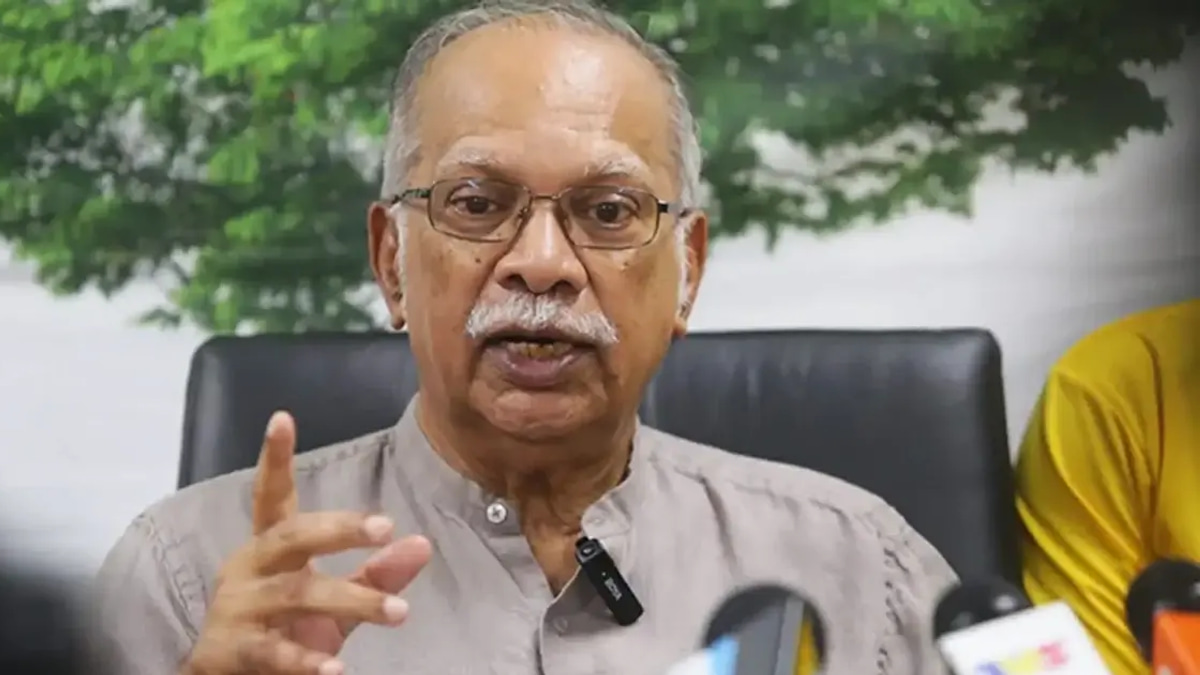
Prime Minister Datuk Seri Anwar Ibrahim has issued a forthright warning to Europe that developing nations will not tolerate unfair treatment and will instead redirect their partnerships elsewhere if their concerns are disregarded. Speaking in Kuala Lumpur on June 19, the Malaysian leader articulated the frustrations of the Global South, signalling a shift in how emerging economies view their negotiations with traditional Western powers.
Anwar's remarks reflect mounting tensions between developed and developing nations over trade practices, investment conditions, and the distribution of benefits from global commerce. The warning carries particular weight given Malaysia's strategic position as a major Southeast Asian economy and a bridge between East and West, suggesting that other regional players share similar sentiments about the need for more equitable international arrangements.
The Prime Minister's comments highlight a broader recalibration of global power dynamics. Developing countries, having grown increasingly confident in their economic significance, are no longer willing to accept asymmetrical terms simply because Western nations were traditionally the only option. This represents a fundamental shift from decades when emerging economies had limited leverage in bilateral negotiations with Europe and North America.
For Malaysia specifically, this stance reinforces the country's commitment to diversifying its international relationships beyond traditional Western partners. With growing trade and investment ties to China, India, and other Asian nations, Malaysia and similar countries now possess genuine alternatives when negotiations stall or become unfavourable. This strategic flexibility has become a valuable asset in modern geopolitics.
Anwar's warning encompasses multiple dimensions of international relations, from trade agreements to investment regulations and technology transfer arrangements. Developing nations argue that they have historically borne disproportionate costs in global arrangements designed by and for wealthy economies, whether through unfavourable commodity pricing, restrictive intellectual property regimes, or climate agreements that impose unequal burdens.
The timing of these remarks is significant, coming as the world economy faces multiple pressures including inflation, supply chain disruptions, and climate transition imperatives. Developing countries increasingly recognise that their cooperation is essential for addressing global challenges, whether in pandemic response, carbon reduction, or economic stability. This interdependence has shifted the negotiating balance.
Europe specifically faces mounting pressure to revise its approach to developing nation partnerships. The European Union's regulatory frameworks, environmental standards, and trade conditions often reflect developed-world priorities rather than the capabilities and needs of emerging economies. For nations like Malaysia that export commodities, agricultural products, and manufactured goods to European markets, these standards can present significant compliance costs.
Anwar's statement also resonates deeply across Southeast Asia, where nations collectively represent a market of over 650 million people and significant growth potential. Regional governments increasingly view Western trade policies as protectionist, using environmental and labour standards as barriers against competitors rather than as genuine policy objectives. Malaysia and its neighbours are signalling they will not accept this framework indefinitely.
The implicit threat in Anwar's remarks carries real substance. China's Belt and Road Initiative, bilateral trade agreements within ASEAN, and strengthened ties with India and other Asian powers provide tangible alternatives to European markets. While these relationships come with their own complexities and considerations, they demonstrate that developing nations are no longer captive to Western trade ecosystems.
For Malaysian businesses and policymakers, this positioning provides negotiating leverage in ongoing discussions with European partners regarding market access, investment protections, and supply chain arrangements. The government's willingness to articulate frustrations publicly signals confidence that alternative paths exist and will be pursued if necessary.
Looking ahead, European policymakers would be wise to consider whether their current approach to developing nation partnerships serves long-term interests. A recalibration toward more equitable arrangements, recognising the legitimate development needs of emerging economies and offering genuine partnership rather than conditionality, may prove more effective than maintaining historical power imbalances.
For Malaysia and the broader Southeast Asian region, Anwar's message represents a new assertiveness in international negotiations. The days of accepting unfavourable terms from developed nations without serious alternatives are ending. As Asia's economic weight continues to grow, the leverage of developing nations will only increase, making equitable partnership not merely a moral imperative but a practical necessity for those seeking beneficial long-term relationships.