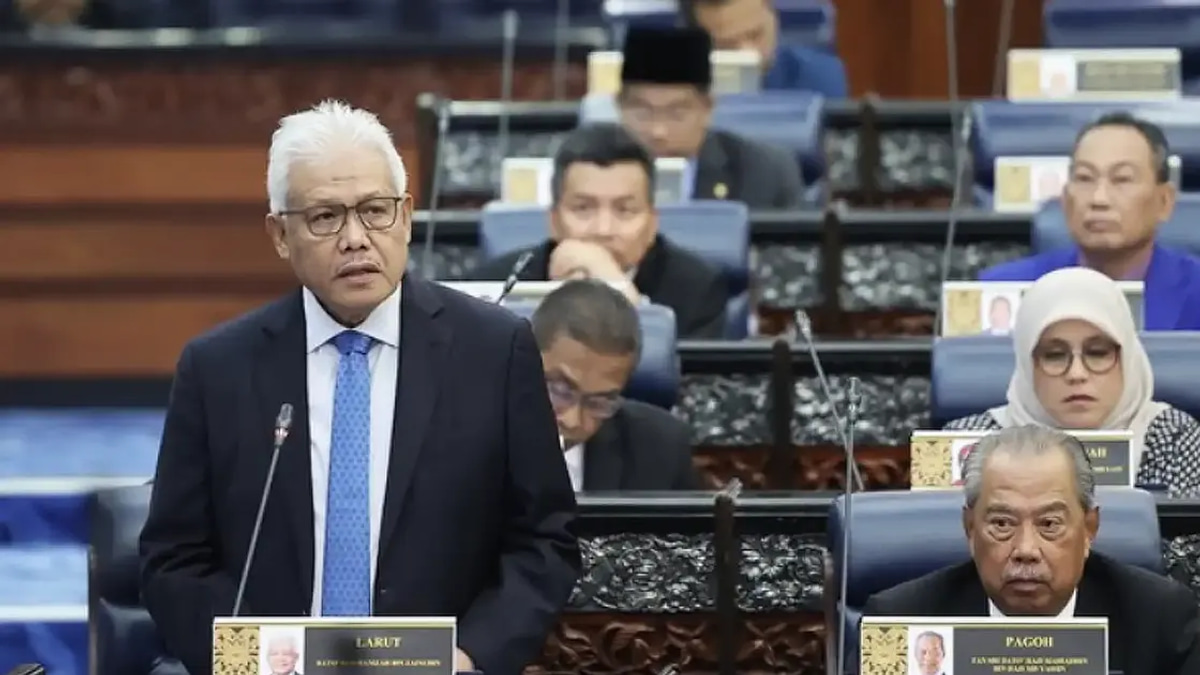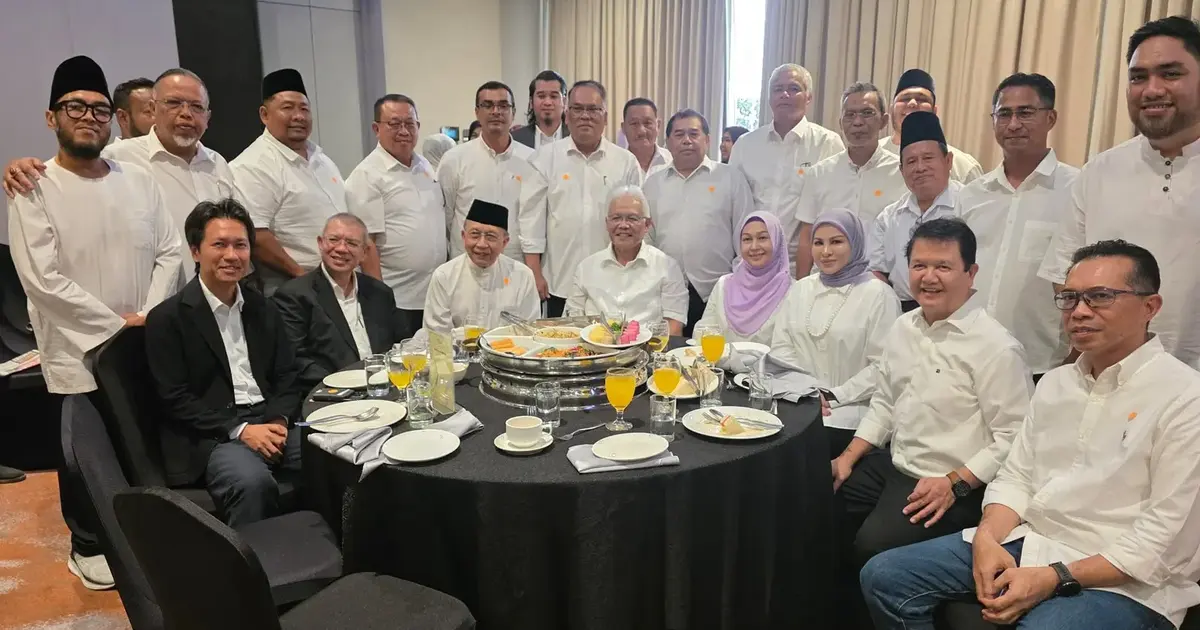
Hamzah has been appointed president of Wawasan in a significant leadership reorganisation that brings together seasoned political figures in the organisation's senior positions. The appointment marks a notable shift in the group's governance structure and reflects an effort to consolidate experienced leadership across multiple tiers.
Rais Yatim, a veteran politician with an extensive track record in government service and ministerial roles, has been named chairman of Wawasan. His appointment represents a substantial addition to the organisation's top tier, bringing decades of political experience and institutional knowledge to the position. Yatim's career has encompassed various high-level government positions, making him a recognised figure in Malaysian political circles.
Saifuddin Abdullah, the member of parliament representing Indera Mahkota, has been appointed as secretary-general of the organisation. As an MP, Saifuddin brings legislative experience and constituent-facing credentials to the role, positioning him to manage the day-to-day administrative and organisational functions that fall under the secretary-general's purview.
The reshuffling of these top three positions suggests a deliberate strategy to blend different types of political experience within Wawasan's leadership. While the specific circumstances and timeline of these appointments remain limited in available details, such structural changes typically reflect broader strategic objectives within political organisations, whether aimed at succession planning, renewed organisational focus, or strengthening institutional capacity.
Wawasan's role within Malaysia's political landscape requires effective leadership capable of navigating complex policy discussions and building coalitions across diverse stakeholder groups. The combination of Hamzah's presidency, Rais Yatim's chairmanship, and Saifuddin Abdullah's secretarial duties distributes responsibilities across different functional areas—executive leadership, governance oversight, and administrative coordination.
For Malaysian political observers, such appointments carry implications beyond mere administrative reorganisation. They signal which individuals and factions hold influence within the organisation and may indicate future policy directions or political alignments. The inclusion of a sitting MP in the secretary-general role ensures that Wawasan maintains direct connections to parliamentary proceedings and legislative dynamics.
The appointment structure also reflects changing dynamics in how Malaysian political organisations distribute authority. Rather than concentrating power in a single executive position, the three-tier leadership approach allows for checks and balance mechanisms, with the chairman providing governance oversight, the president handling executive functions, and the secretary-general managing administrative affairs. This distribution can enhance organisational stability and reduce the concentration of personal influence.
Rais Yatim's chairmanship carries particular significance given his historical prominence in Malaysian politics. His transition to this governance role, rather than remaining in executive position, suggests a deliberate choice to position him as a guiding institutional figure rather than day-to-day operational leader. This arrangement often reflects respect for seniority and prior experience while enabling more operationally focused individuals to drive forward-facing activities.
Saifuddin Abdullah's parliamentary background provides Wawasan with an anchor to legislative processes and elected politics at the grassroots level. MPs maintain direct constituent engagement and understanding of local political dynamics, and his position as secretary-general could potentially facilitate better communication between Wawasan's broader organisational goals and the realities of electoral politics in Malaysian constituencies.
The timing and context of these appointments remain important variables for understanding their significance. Whether these represent promotions from within, external recruitment, or consolidation of existing positions affects their interpretation. Similarly, whether these appointments coincide with particular policy initiatives or strategic pivots within Wawasan would illuminate their substantive importance beyond organisational structures.
For regional observers of Malaysian politics, these leadership changes warrant monitoring as indicators of how Wawasan positions itself within the broader political ecosystem. The organisation's role in coalition-building, policy advocacy, or electoral strategy could shift based on the priorities and networks that Hamzah, Rais Yatim, and Saifuddin Abdullah bring to their respective roles. The quality of coordination between these three positions will significantly influence the organisation's effectiveness in pursuing its objectives over the coming period.
%22%2F%3E%3C%2Fpattern%3E%3C%2Fdefs%3E%3Crect%20width%3D%22100%25%22%20height%3D%22100%25%22%20fill%3D%22url(%23ph1864ag)%22%2F%3E%3Crect%20width%3D%22100%25%22%20height%3D%22100%25%22%20fill%3D%22url(%23ph1864ap)%22%2F%3E%3Ctext%20x%3D%2250%25%22%20y%3D%2250%25%22%20text-anchor%3D%22middle%22%20dominant-baseline%3D%22central%22%20fill%3D%22rgba(255%2C255%2C255%2C0.95)%22%20font-family%3D%22Georgia%2C%20'Times%20New%20Roman'%2C%20serif%22%20font-weight%3D%22700%22%20font-size%3D%22320%22%20letter-spacing%3D%22-0.02em%22%3EMuda%3C%2Ftext%3E%3C%2Fsvg%3E)
%22%2F%3E%3C%2Fpattern%3E%3C%2Fdefs%3E%3Crect%20width%3D%22100%25%22%20height%3D%22100%25%22%20fill%3D%22url(%23ph18bgxg)%22%2F%3E%3Crect%20width%3D%22100%25%22%20height%3D%22100%25%22%20fill%3D%22url(%23ph18bgxp)%22%2F%3E%3Ctext%20x%3D%2250%25%22%20y%3D%2250%25%22%20text-anchor%3D%22middle%22%20dominant-baseline%3D%22central%22%20fill%3D%22rgba(255%2C255%2C255%2C0.95)%22%20font-family%3D%22Georgia%2C%20'Times%20New%20Roman'%2C%20serif%22%20font-weight%3D%22700%22%20font-size%3D%22170%22%20letter-spacing%3D%22-0.02em%22%3EMalaysia%3C%2Ftext%3E%3C%2Fsvg%3E)