Australia faces a mounting wildlife health crisis as H5N1 avian influenza spreads across South Australia with alarming speed, prompting dire warnings from veterinary specialists about the threat to one of the world's rarest marine mammals. The detection of the highly pathogenic strain in a seagull on the state's south-east coast represents a critical escalation in an outbreak that has grown substantially in recent weeks, with authorities documenting a dramatic surge in confirmed and suspected cases across the region.
The epidemiological picture in South Australia has deteriorated markedly since late July. State authorities have identified 21 suspected cases alongside 19 confirmed cases of the H5N1 strain, with 33 of these 40 recorded instances emerging in just four days from Monday onwards. This exponential growth underscores the virus's rapid transmission capacity within local bird populations. Meanwhile, the broader Australian mainland experienced its first documented outbreak in June, and by the end of July, states and territories beyond South Australia had accumulated 14 confirmed cases, indicating the pathogen is establishing itself across multiple regions of the country.
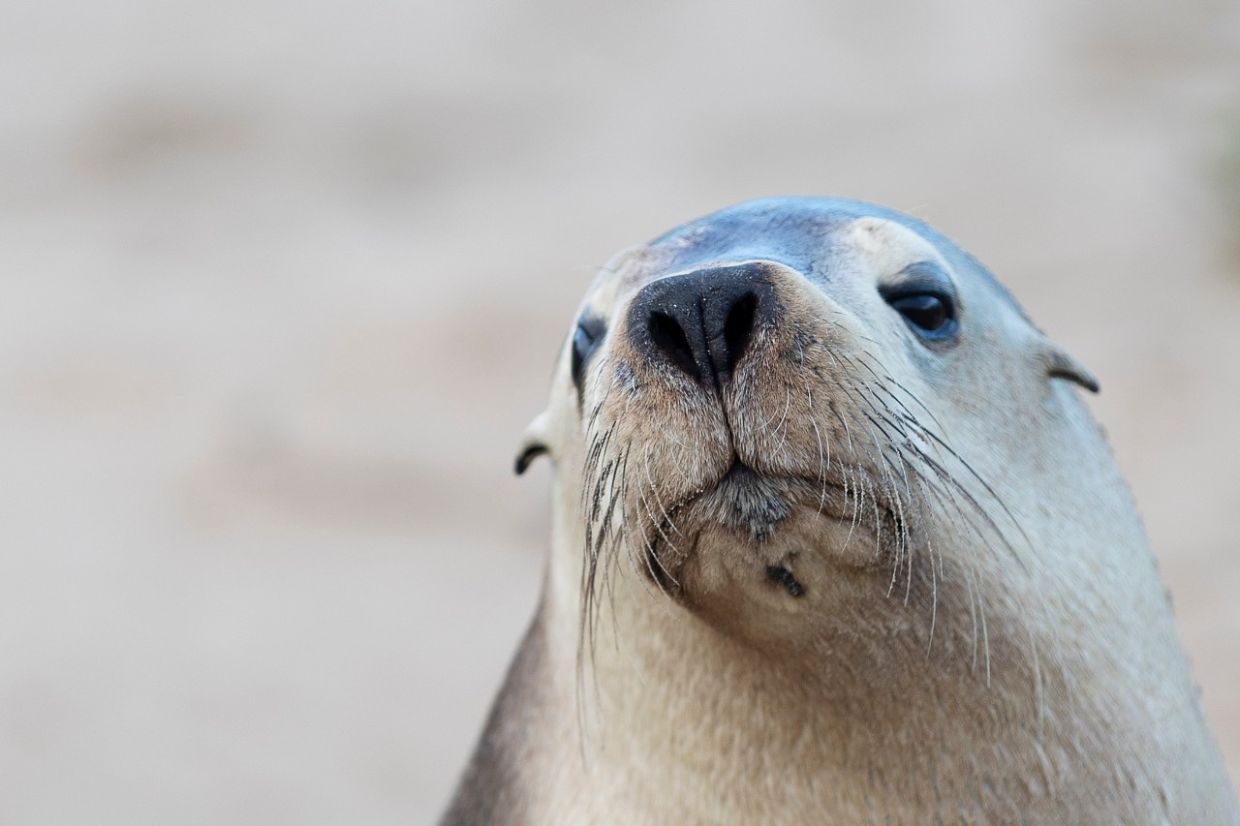
The geographic distribution of confirmed cases has escalated the conservation stakes dramatically. Four instances have been reported on Kangaroo Island, a significant sanctuary off South Australia's southern coast, and critically, one case was detected at Seal Bay, a internationally significant breeding ground for the Australian sea lion. This location hosts approximately five percent of the global population of these endangered creatures—a concentration that transforms the local bird flu outbreak from a regional animal health issue into a potential catastrophe for a species already facing precarious survival prospects.
Wayne Boardman, a wildlife veterinarian from the University of Adelaide, has articulated the precise danger confronting these marine populations. In an assessment provided to the Australian Broadcasting Corporation, Boardman emphasised that the epidemiological precedents from South American colonies of sea lions and fur seals demonstrate extreme vulnerability to H5N1 infection. His warning carries particular weight given the documented historical mortality patterns: the 2022 outbreak in South America decimated approximately 30,000 sea lions within a six-month period, representing one of the most catastrophic wildlife die-offs of recent years. More recent precedent emerged from Australia's own territory, where H5N1 devastated southern elephant seal populations on Heard Island in the Southern Ocean, claiming an estimated 13,359 pups between August 2025 and January 2026. These data points establish an alarming template for potential mortality among Seal Bay's sea lion colony should the virus establish transmission chains within their population.
The mechanism of cross-species transmission that Boardman flagged reflects the particular virological characteristics of H5N1. Unlike previous avian influenza strains with limited capacity to jump between disparate animal families, H5N1 has demonstrated troubling plasticity in its host range. Marine mammals, particularly pinnipeds such as sea lions and seals, appear to occupy a precarious position in the virus's ecological spillover network, sitting at an intersection where avian and mammalian infection pathways converge. The presence of the virus in seagull populations at Seal Bay creates a direct vector for introduction into the sea lion colony through environmental contamination, predation, or direct contact scenarios.
In response to the escalating threat, South Australian authorities have implemented protective measures designed to reduce human-mediated transmission and visitor-induced stress on vulnerable animal populations. The government announced the temporary suspension of beach tours at Seal Bay, recognising that tourist activity could facilitate virus transmission or exacerbate stress-induced immunosuppression among sea lions. This decision reflects a precautionary approach grounded in the understanding that controlled human activity during wildlife health crises can inadvertently accelerate pathogen spread or compromise animal welfare outcomes.
The South Australian government's broader containment strategy emphasises collaborative engagement with scientific experts and disease monitoring specialists. Minister for Agriculture, Fisheries and Forestry Julie Collins articulated confidence that current evidence indicates the virus remains confined to wild bird populations, with no documented incursions into commercial agricultural or poultry production systems. This distinction carries significant economic and food security implications for Australia's regional farming sectors, though it does not diminish the conservation emergency unfolding along the coast. Collins reiterated that human health risk remains low based on current epidemiological data, positioning the outbreak primarily as a wildlife and conservation challenge rather than an immediate pandemic threat to the human population.
The distinction between the Australian sea lion threat and broader public health concerns deserves careful examination when contextualising this outbreak for regional readers. While H5N1's potential for human adaptation has warranted international surveillance attention, the immediate and certain danger manifests in the marine ecosystem rather than the human population. This creates a asymmetrical risk landscape where species conservation becomes the paramount concern, particularly given the Australian sea lion's precarious conservation status. The global population of these animals has never recovered fully from historical commercial sealing, and the Seal Bay colony represents a genetically and demographically critical nucleus for the species' survival trajectory.
For Southeast Asian observers, this outbreak carries instructive implications regarding zoonotic disease emergence and wildlife management in the region. Malaysia, Indonesia, and other ASEAN nations with significant bird populations and emerging avian influenza activity in recent years should examine Australia's response protocols as a potential model for containing H5N1 while simultaneously protecting endangered fauna. The South Australian experience demonstrates that outbreak containment requires simultaneous attention to agricultural protection, human health surveillance, and species conservation—a tripartite challenge increasingly characteristic of disease management in the Anthropocene. The rapid escalation of cases and the involvement of iconic endangered species also highlights how avian influenza outbreaks can swiftly transition from occupational or epidemiological concerns into conservation emergencies with irreversible consequences for vulnerable populations.

