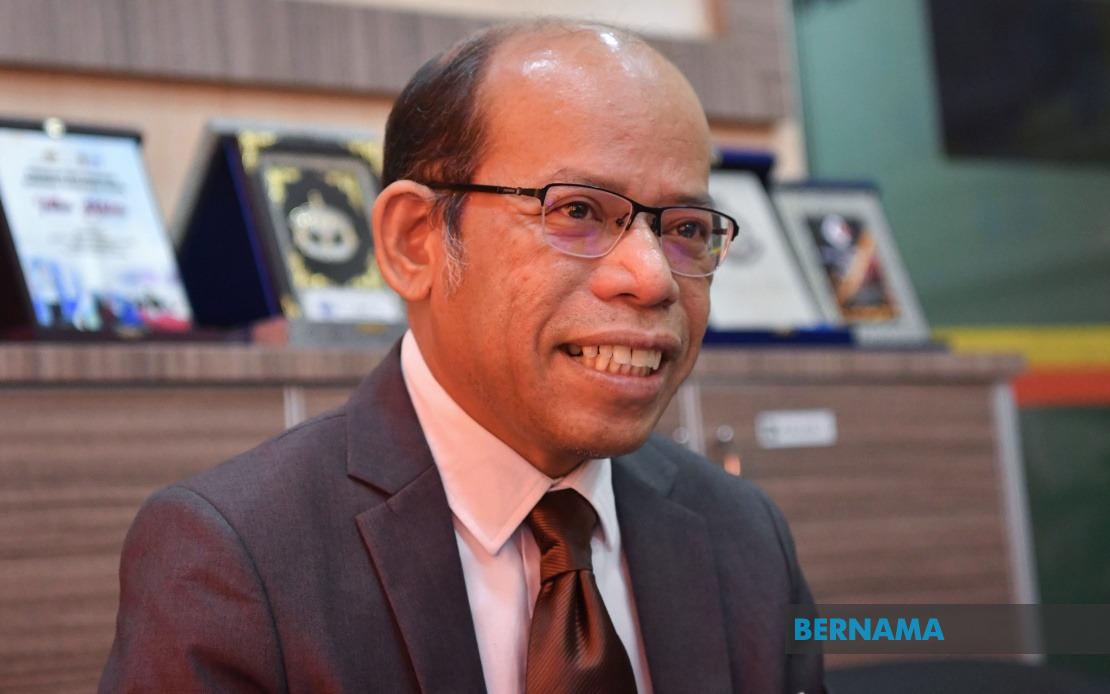
The Gua Musang District Council is moving forward with an ambitious plan to position Bandar Lama as a premier tourist attraction, with council president Mohd Roshdi Ismail announcing the need for approximately RM1 million to finance comprehensive upgrades and development initiatives across the district.
The funding framework targets strategic areas within Bandar Lama that officials believe possess considerable potential to draw both international and domestic visitors. The district council has identified multiple heritage sites and natural features that could form the backbone of a coordinated tourism development strategy, transforming what is currently an underdeveloped area into a vibrant economic hub for the region.
Bandar Lama possesses distinctive geographical and historical characteristics that distinguish it from other tourism destinations in Kelantan. The locality is framed by surrounding hills and boasts limestone caves alongside structures and landmarks bearing significance to Malaysia's Cold War period. These elements create a compelling narrative that could appeal to heritage tourism markets increasingly interested in Southeast Asian history and colonial-era infrastructure.
Mohd Roshdi identified several priority sites warranting immediate attention and restoration. The derelict railway station situated at the foothills carries historical weight due to its connection to communist insurgency operations during the Emergency era. Additionally, a burial site in the Masjid Razaleigh vicinity memorialises a pregnant woman killed by communist forces, representing another focal point for historical interpretation and visitor engagement. Such locations offer tangible links to pivotal chapters in Malaysia's nation-building journey.
The council president outlined an inter-agency approach to advancing the project, indicating that Gua Musang District Council intends to collaborate with established development organisations including Majlis Amanah Rakyat, or MARA, to conduct thorough assessments of infrastructure requirements and identify sustainable funding pathways. This collaborative framework reflects recognition that tourism development demands specialised expertise spanning heritage conservation, visitor management, and economic development.
The strategic importance of this initiative extends beyond immediate district boundaries. Kelantan's tourism sector has traditionally centred on cultural attractions and Islamic heritage sites, with opportunities for product diversification remaining largely unexploited. Bandar Lama's unique positioning—combining natural features, historical narrative, and accessibility—could complement existing destinations and extend visitor itineraries throughout the state, generating multiplier effects across accommodation, hospitality, and transportation sectors.
The proposed investment arrives at a period when Malaysian tourism authorities are actively pursuing product development strategies aimed at capturing post-pandemic visitor recovery. Heritage and experiential tourism segments have demonstrated robust growth trajectories globally, suggesting that properly marketed historical sites can generate sustained economic returns. Gua Musang's relative proximity to established tourist corridors, combined with its distinctive attractions, positions it competitively within this expanding market segment.
From a local economic perspective, tourism development in Bandar Lama could catalyse employment generation across multiple sectors. Service industries including hospitality, transportation, and retail commerce typically expand alongside tourism infrastructure development. Cultural and heritage tourism furthermore tends to create demand for locally-produced crafts, food products, and artisanal goods, enabling direct wealth distribution to community members and supporting rural economic resilience.
The success of this initiative will depend substantially on execution quality and sustained inter-agency coordination. Beyond initial infrastructure investment, sustainable tourism development requires ongoing management addressing visitor flows, heritage preservation, environmental protection, and community engagement. The council's proposed partnership with MARA positions it to access technical expertise and potentially access funding mechanisms beyond conventional district budgets.
Mohd Roshdi's announcement indicates that the council has progressed beyond preliminary conceptualisation toward active pursuit of development pathways. The specification of a near-RM1 million funding requirement suggests detailed preliminary assessments have already identified core priority projects requiring investment. This specificity enhances credibility with potential funding agencies and demonstrates that local leadership possesses clear vision regarding implementation priorities.

