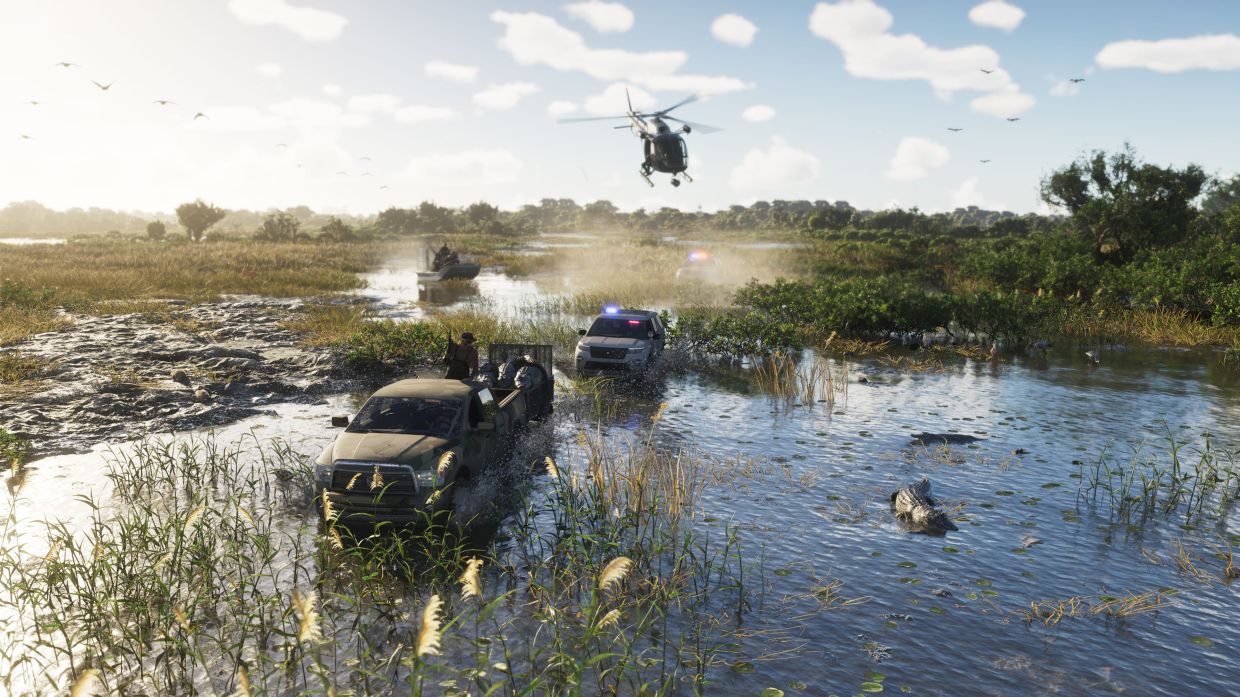
Rockstar Games has released an official preview of the highly anticipated Grand Theft Auto VI on Netflix, stepping in to control the narrative after weeks of unauthorized footage circulated online. The preview showcases the game's central characters, Jason and Lucia, in their opening moments as they escape a botched drug operation, establishing what developers have framed as a modern take on the legendary outlaw couple Bonnie and Clyde. The decision to premiere the material on Netflix represents a strategic pivot by the gaming studio to shape player expectations and reclaim authority over one of the entertainment industry's most closely guarded secrets.
The preview offers substantial insights into the game's mechanics and thematic direction. Players will encounter a relationship system that allows Jason and Lucia to hold hands, suggesting an emphasis on character bonding and emotional stakes that may differentiate this instalment from previous titles. The footage previews the signature Grand Theft Auto blend of high-octane action sequences, including elaborate car chases through urban environments, confrontations in adult entertainment venues, tense rooftop negotiations, and armed combat scenarios. For Malaysian gamers accustomed to the franchise's controversial reputation, these elements reinforce the mature, crime-focused narrative that has defined the series since its inception.
The leaking of Grand Theft Auto VI content represents an unprecedented challenge to a major game publisher's marketing timeline. Initial clips began circulating online as early as August 18, prompting Rockstar to issue a candid public statement acknowledging the breach. The company described the situation as "heartbreaking," emphasizing that the premature exposure contradicted their carefully orchestrated release strategy. This candour, unusual for major corporations facing security incidents, reflected the emotional investment Rockstar has placed in managing Grand Theft Auto VI's unveiling to a global audience that has waited nearly a decade since the previous mainline entry.
Rockstar and its parent company Take-Two have pursued aggressive legal remedies to identify those responsible for the leaks. The publisher obtained court orders on August 21 compelling Microsoft and Discord to surrender user data and communications records. Two federal judges in New York approved these subpoena requests, which were filed just twenty-four hours prior, according to legal filings reviewed by international news agencies. The scale of this legal action demonstrates the commercial significance of controlling Grand Theft Auto VI's narrative, as premature reveals can dilute marketing campaigns and undermine carefully timed announcements that drive pre-order revenue and media coverage.
The anonymous entity behind the leaks, operating under the pseudonym Cyberleek, has claimed motivations rooted in exposing industry business practices rather than simple profiteering or notoriety-seeking. This framing adds complexity to an otherwise straightforward intellectual property theft case, as it invokes broader conversations about corporate transparency and accountability within the gaming sector. For Malaysian technology observers and digital rights advocates, the incident illustrates tensions between corporate secrecy and public interest arguments about how major entertainment corporations operate and market their products.
Take-Two's approach to Grand Theft Auto VI monetization has independently generated considerable controversy among the gaming community, creating a backdrop of existing player frustration. The publisher's decision to forgo physical retail copies entirely represents a significant departure from industry tradition, concentrating sales through digital distribution channels. Additionally, the company has introduced a premium version of the game bundled with extra content at an elevated price point, a strategy that has prompted accusations of exploitation and price discrimination from segments of the player base. These decisions compound the reputational damage from the leak and suggest a company grappling with shifting consumer expectations and digital distribution economics.
The Netflix release of the preview carries particular significance for regional audiences across Southeast Asia. The streaming platform's dominance in Malaysia and neighbouring markets means that this official unveiling reaches consumers simultaneously across the region, democratizing access to marketing materials and reducing the traditional delays between North American and international releases. Malaysian gamers and streaming subscribers encountered the same preview content and timing as global viewers, marking a shift toward simultaneous international launches in digital entertainment promotion.
The incident also reveals vulnerabilities in how major entertainment corporations protect their assets in an increasingly interconnected digital landscape. Despite Rockstar's formidable resources and security infrastructure, unauthorized footage circulated for weeks before official channels acknowledged and addressed the breach. This timeline suggests that modern cyber security challenges extend beyond simple firewall protections to encompass sophisticated knowledge of development pipelines, internal systems, and distribution vulnerabilities. For Malaysian technology professionals and cybersecurity specialists, the case study offers insights into how even well-resourced organizations struggle to contain sensitive digital content.
Military recruiting initiatives have unexpectedly intersected with Grand Theft Auto VI's cultural impact. The United States Army's European division reportedly offered soldiers four additional days of leave in exchange for extending their service commitments by a minimum of two years, contingent on their playing the new game upon release. Initial uptake reached twenty soldiers among an eligible pool of one hundred thirty, suggesting moderate success with this unconventional recruitment incentive. This crossover between military personnel management and popular entertainment reflects the game series' pervasive cultural presence and its potential utility as a tool for institutional engagement with younger demographics.
The Netflix timing also speaks to evolving marketing synergies between gaming publishers and streaming platforms. Rather than traditional gaming-focused media outlets serving as exclusive preview partners, Rockstar chose a mass-market entertainment distributor to launch official footage. This strategy acknowledges that Grand Theft Auto VI appeals far beyond dedicated gaming communities to broader audiences interested in interactive storytelling, crime narratives, and cultural phenomena. For Netflix, exclusivity on the preview represented valuable subscriber engagement opportunities, particularly as gaming content increasingly blurs boundaries with cinematic entertainment on streaming services.
Looking forward, the incident establishes precedents for how future major game releases may navigate pre-launch controversies. Rockstar's combination of legal action, official counter-programming through Netflix, and transparent public communication created a damage-containment strategy that attempted to reclaim narrative authority. However, the fundamental reality remains that unauthorized content had already shaped player expectations and media discourse weeks before the official preview arrived. For Malaysian and regional gaming communities, this episode underscores how digital distribution and online communities have compressed traditional marketing cycles and enabled global instantaneous information sharing that publishers cannot fully control despite substantial resources.
The convergence of leaks, legal action, and official announcements reflects the volatile environment surrounding high-profile entertainment releases in the digital age. Grand Theft Auto VI's preview landing on Netflix represents both a strategic response to crisis and an acknowledgment that controlling information flow requires active engagement with mainstream distribution channels rather than reliance on traditional gatekeepers. As the franchise maintains its controversial reputation and cultural significance across the Asia-Pacific region, the methods through which Rockstar manages its global rollout will likely influence how other major publishers approach similar challenges in years ahead.

