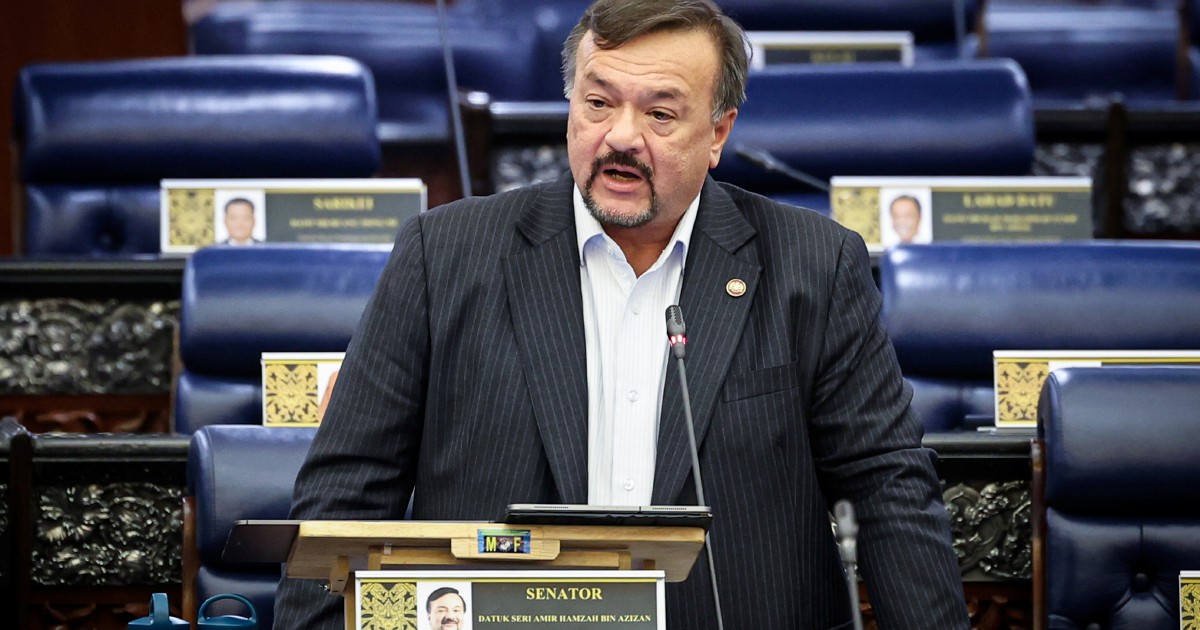
The Malaysian government is weighing the creation of a unified task force bringing together multiple agencies to investigate allegations of wrongdoing at Tabung Haji, according to Finance Minister II Datuk Seri Amir Hamzah Azizan. The proposal reflects growing concern over governance issues at the institution, which manages pilgrimage savings for millions of Malaysian Muslims.
Tabung Haji, formally known as the Pilgrimage Fund Board, holds deposits from Malaysian citizens planning to undertake the Hajj pilgrimage to Mecca. The fund represents a significant accumulation of personal savings and religious devotion across the nation, making transparency and proper management of paramount importance. Recent allegations regarding potential improprieties have intensified scrutiny of the institution's operations and internal controls.
The multi-agency approach would consolidate investigative resources across government bodies that typically operate independently. Such coordination could encompass financial regulators, anti-corruption authorities, and law enforcement agencies, each bringing specialized expertise to the inquiry. This integrated structure aims to prevent overlapping investigations and ensure comprehensive coverage of suspected violations.
The consideration of a task force-based approach indicates authorities recognize the complexity of investigating alleged misconduct within a large financial institution. Tabung Haji manages substantial assets and operates across the country through multiple branches and investment vehicles. Unraveling potential irregularities would require coordinated examination of financial records, operational procedures, and administrative decision-making at various organizational levels.
For Malaysian Muslims, particularly those relying on Tabung Haji to finance their religious obligations, the government's acknowledgement of problems signals both concern and intention to restore confidence. The Hajj pilgrimage represents a cornerstone of Islamic practice, and the fund's mismanagement could prevent sincere believers from fulfilling this fundamental religious duty. Restoring institutional integrity would reaffirm governmental commitment to protecting public trust in religious and financial matters.
The institutional history of Tabung Haji adds weight to current investigations. Established to facilitate pilgrimage financing, the fund has evolved into a substantial investment vehicle managing portfolios encompassing property, shares, and international assets. Growth in asset management complexity creates additional vulnerabilities if adequate oversight mechanisms prove insufficient or if personnel exploit their positions.
Regional precedent demonstrates that large financial institutions managing public savings require robust governance frameworks. Other Southeast Asian nations have implemented specialized oversight bodies to prevent abuse of public trust in pension schemes and religious funds. Malaysia's consideration of an enhanced investigative approach reflects alignment with international best practices for institutional accountability.
The timing of this governmental consideration follows mounting public discussion about governance lapses within Tabung Haji. Media reports have documented various concerns ranging from administrative irregularities to investment decisions that disadvantaged beneficiaries. Public discourse about these issues has created political pressure on the government to demonstrate decisive action rather than permit investigations to proceed through conventional ministerial or regulatory channels alone.
Finance Ministry involvement in coordinating such a task force underscores the inter-agency nature of potential misconduct. Alleged wrongdoing may involve violations of financial regulations, administrative procedures, and potentially criminal law. Establishing formal structural integration rather than relying on informal cooperation between agencies would facilitate information-sharing, prevent jurisdictional disputes, and ensure consistent pursuit of evidence across different investigative streams.
For depositors at Tabung Haji, uncertainty about fund management creates psychological and financial stress. Many Malaysians view contributions to the fund as both savings vehicles and expressions of religious commitment. Allegations of misconduct could discourage future participation, reducing the fund's revenue base and its capacity to finance pilgrimages for future generations. Rapid, transparent investigation and appropriate corrective action are essential to rebuild institutional credibility.
The proposed task force structure also signals willingness to move beyond existing regulatory mechanisms if they proved inadequate in identifying or addressing problems. This implicit acknowledgement that established oversight frameworks may require supplementation or reformation has implications for other government institutions managing public resources. It suggests the government recognizes that institutional accountability sometimes necessitates extraordinary coordinated measures beyond routine administrative procedures.
Looking forward, the establishment of a multi-agency task force would represent a significant step toward accountability, provided it receives adequate resources, political support, and independence from potential interference. Success would depend on investigators' ability to access financial records, interview personnel without impediment, and pursue evidence without concern for political ramifications. The outcome of such an investigation could establish precedent for future inquiries into alleged misconduct at other major public institutions.

