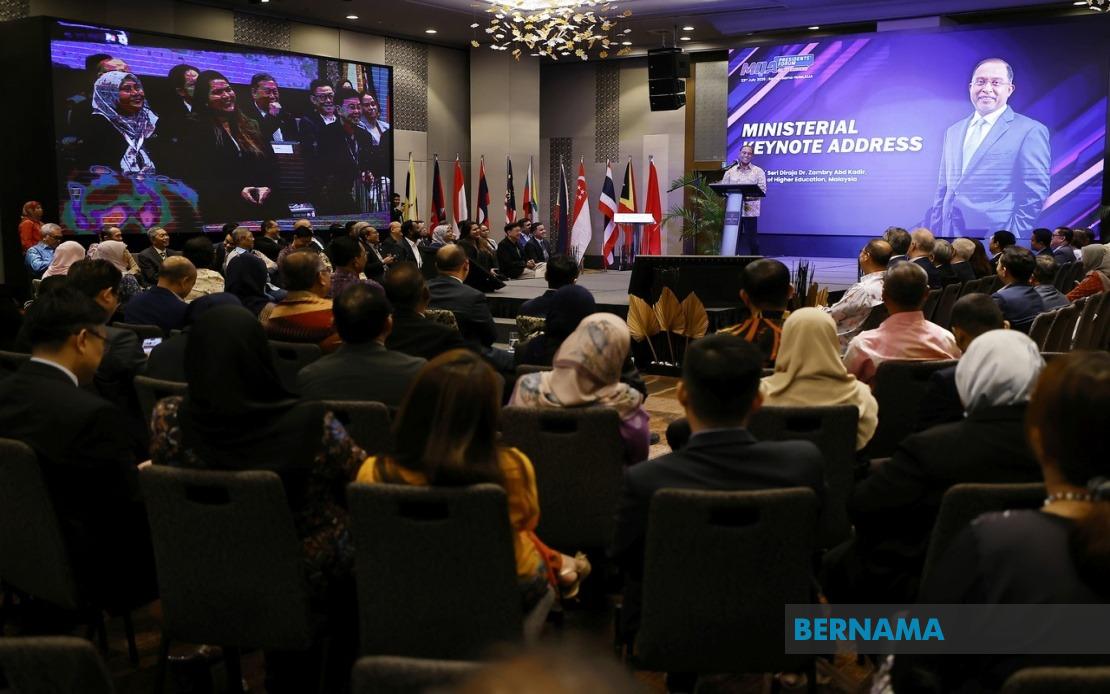
The government has committed to resolving a growing accommodation crisis at polytechnics across the country, as the sector grapples with an unprecedented surge in student enrolments. Higher Education Minister Datuk Seri Dr Zambry Abd Kadir outlined the ministry's strategy during a keynote address at the 2026 Malaysian Qualifications Agency Presidents' Forum in Sepang, indicating that repair and maintenance work will be prioritised at institutions most in need of attention.
The accommodation shortage represents an unexpected challenge born from the government's own success in promoting technical and vocational education. Over the past year, authorities have actively encouraged Sijil Pelajaran Malaysia (SPM) holders to pursue courses in polytechnics and skills institutions rather than exclusively pursuing academic pathways. This strategic push has borne remarkable fruit, with applications to the sector reaching unprecedented levels that have strained existing infrastructure across multiple campuses.
The scale of this surge is substantial. During the 2026/2027 intake session beginning in June, polytechnics nationwide registered 30,488 new students, representing a remarkable 125 per cent achievement rate against original targets. This figure underscores the genuine appetite among Malaysian school leavers for vocational and technical qualifications, a demographic shift that policymakers had anticipated but perhaps not fully prepared for in terms of campus facilities.
Dr Zambry framed the accommodation pressure as an inherently positive outcome reflecting deeper policy objectives. Rather than viewing overcrowding as a failure, the minister emphasised that the situation demonstrates the viability of Malaysia's commitment to expanding its skilled workforce pipeline. This reframing is important context for understanding government priorities, though it also highlights the tension between ambition and immediate resource constraints that many institutions now face.
The core challenge stems from the age and condition of hostel buildings at several polytechnic campuses. Older dormitory facilities that may have served previous generations of students adequately are now stretched beyond capacity, while some structures require significant remedial work before they can safely accommodate additional residents. The ministry has acknowledged that identifying which hostels require urgent attention and sequencing repairs efficiently will be essential to implementing solutions swiftly.
In response to the crisis, Dr Zambry revealed that the Higher Education Ministry has already submitted formal requests to the government for allocation of resources to undertake necessary repair works. These requests focus on facilities identified as being in particularly poor condition or requiring urgent maintenance. The minister expressed confidence that the government would respond positively to these appeals, though he did not provide specific timelines or budget figures for the planned improvements.
The minister also disclosed that he has tasked the Polytechnic and Community College Education Department director-general Dr Shamsuri Abdullah with implementing immediate measures to address placement challenges and associated logistical issues. This suggests that the government recognises the urgency of the situation and is taking steps beyond simply requesting construction funding. On-campus solutions and enhanced coordination between institutions may form part of the interim response while longer-term infrastructure improvements progress.
The backdrop to this crisis reveals important lessons about Malaysia's education landscape. The success in attracting students to vocational pathways contrasts sharply with decades of emphasis on academic over technical qualifications. That the sector has been able to absorb and accommodate such dramatic growth in applications, even while facing facility constraints, suggests genuine institutional adaptability and commitment from polytechnic administrators.
For Malaysian readers and stakeholders, this situation carries several implications. Students seeking places at polytechnics should be aware that accommodation arrangements may vary by campus and may be tighter than historical norms. Parents and guardians contemplating technical education pathways can take some reassurance that the government is treating infrastructure investment as a priority issue. At the same time, the accommodation squeeze underscores the reality that rapid expansion in any education sector requires careful investment planning alongside policy development.
The broader Southeast Asian context is also relevant here. As regional countries increasingly recognise that manufacturing and service economies require skilled technical workforces, Malaysia's experience offers both inspiration and cautionary lessons. Successfully pivoting student preferences toward vocational qualifications is achievable, but must be coupled with corresponding investments in physical infrastructure, facilities maintenance, and support services. Without these complementary investments, even well-designed and attractive programmes risk disappointing students who arrive expecting adequate residential and learning facilities.
Looking forward, how effectively the government allocates resources to this issue will signal the genuine depth of its commitment to the TVET expansion agenda. Accommodation quality directly affects student retention, academic performance, and overall satisfaction with the polytechnic experience. Delayed repairs or inadequate responses could undermine the very policy successes that created this capacity challenge in the first place.

