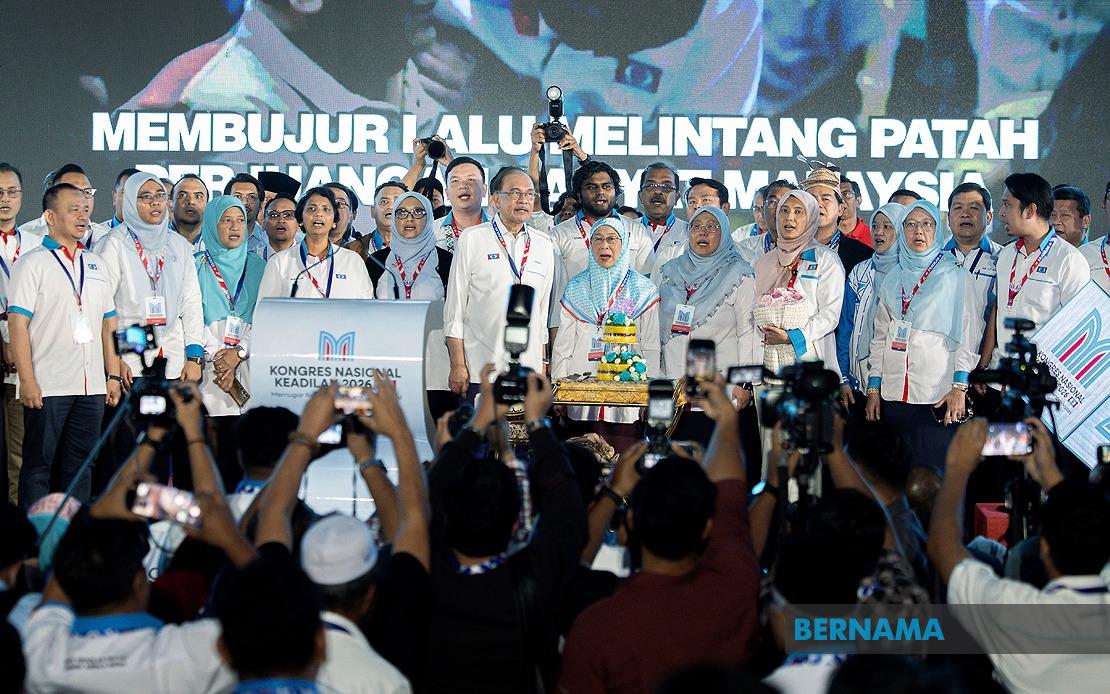
Prime Minister Datuk Seri Anwar Ibrahim has committed to amending the Tabung Haji Act 1995 (Act 535) as a cornerstone measure to reinforce public confidence in Malaysia's pilgrimage savings institution. Speaking in his capacity as both head of government and Finance Minister, Anwar framed the legislative revision as integral to the MADANI administration's broader governance reform agenda. The amendment represents a direct response to institutional vulnerabilities that have tested depositor trust in one of Malaysia's most significant financial institutions serving the Muslim community.
Tabung Haji, formally known as the Pilgrimage Fund Board, holds particular significance within Malaysia's financial ecosystem as a dedicated savings mechanism enabling Muslim citizens to accumulate resources for their hajj obligations. The institution manages billions of ringgit in deposits from millions of Malaysians, making its operational integrity central to public financial confidence. Past governance challenges and investment-related controversies have periodically prompted scrutiny of how the fund operates and safeguards depositor interests, underscoring why legislative review has become a priority for the current administration.
Anwar's announcement came during remarks reflecting on broader institutional renewal priorities. Beyond Tabung Haji, he outlined complementary governance initiatives aimed at dismantling what the government views as systemic obstacles to institutional effectiveness. The Prime Minister emphasised that institutional strengthening requires persistent commitment to identifying weaknesses and implementing corrective measures without compromise or delay. This signals an administration willing to pursue substantive structural reforms affecting major public institutions, even where such changes may prove politically contentious or administratively complex.
Particularly significant was Anwar's simultaneous call for the complete repeal of the Universities and University Colleges Act 1971 (AUKU) without replacement by successor legislation maintaining current restrictions. The Finance Minister positioned this alongside the Tabung Haji amendment as evidence of consistent commitment to institutional modernisation. By linking these two disparate policy areas, Anwar suggested a thematic governance philosophy centring on expanding institutional responsiveness to stakeholder interests while eliminating regulatory frameworks perceived as unduly restrictive or outdated.
The institutional reform announcements were delivered within the context of the 2026 Parti Keadilan Rakyat (PKR) National Congress, where Anwar addressed party delegates as PKR president. His remarks emphasised that party principles must prioritise substantive reform achievement over electoral survival or consolidation of incumbent advantage. Framed this way, governance improvements become less narrow political positioning and more foundational commitments to institutional legitimacy transcending partisan interest. The Prime Minister urged party members to regard political authority not as opportunity for personal enrichment or factional advancement but as custodianship of public trust demanding integrity and principled action.
Anwar's broader address to PKR members articulated a vision of governance emphasising inclusive economic development benefiting citizens across regional and political divides. He specifically acknowledged that opposition-controlled states merit equitable resource distribution and government support regardless of electoral outcomes. This framing challenges conventional competitive federalism where central governments historically privileged allied state administrations in resource allocation and development priorities. Whether such inclusive governance principles translate into sustained budgetary and policy practice remains subject to ongoing scrutiny, but the rhetorical commitment signals normative expectations about political conduct expectations shaping public discourse.
The Tabung Haji Act amendment initiative carries particular relevance for Malaysian Muslim communities, who depend on the institution for structured savings supporting one of Islam's Five Pillars. Enhanced legislative protections and governance standards could strengthen safeguards against investment risks, operational inefficiencies, or financial mismanagement threatening accumulated savings. For Malaysia's broader Muslim population, the amendment project represents tangible evidence that grievances regarding institutional stewardship warrant governmental response through formal legislative revision rather than indefinite deferral or incremental administrative adjustment.
Southeast Asian perspectives on Malaysia's institutional reform trajectory merit consideration. Regional governments face comparable pressures to strengthen public institution credibility amid heightened citizen expectations for transparent, accountable governance. Malaysia's approach to Tabung Haji amendment and AUKU repeal may establish precedents informing how other Southeast Asian states address institutional legitimacy challenges. Successful implementation could demonstrate governance models balancing institutional modernisation with democratic stakeholder engagement, potentially influencing regional reform discussions and policy learning networks.
Implementation of the Tabung Haji Act amendment will require legislative drafting processes accommodating stakeholder consultation, including depositor representatives, religious authorities, and finance sector expertise. The amendment scope remains undefined, but substantive revision likely involves enhanced fiduciary standards, investment disclosure requirements, governance structure modifications, or dispute resolution mechanisms. Public perception of amendment credibility will depend substantially on consultation transparency and demonstrable incorporation of stakeholder input into legislative language and implementing regulations.
Political feasibility of major institutional reforms depends on coalition stability and parliamentary support. While the MADANI coalition currently commands legislative majorities, sustained commitment across multiple parliamentary sessions and government budget cycles remains essential for amendment completion and implementation. Opposition parties may scrutinise reform proposals, potentially seeking modifications reflecting their institutional governance perspectives. Managing these political complexities while advancing substantive institutional improvement represents a significant governance challenge for Anwar's administration across this and parallel reform initiatives.

