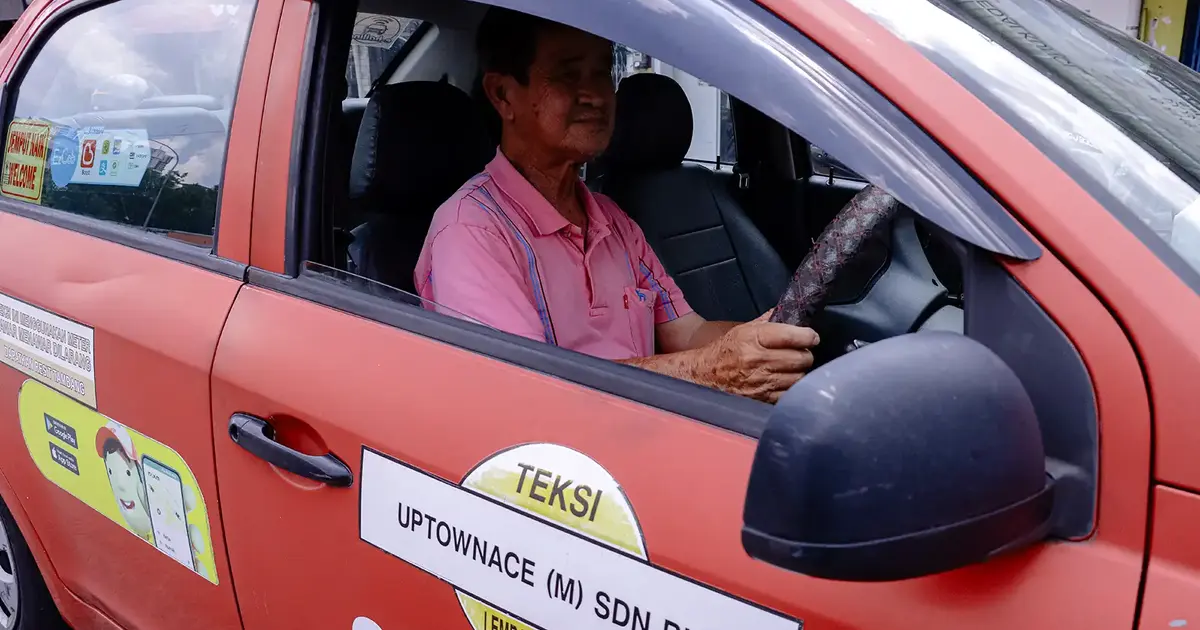
The Malaysian government has committed an additional RM10 million to support taxi drivers across the country, according to an announcement by Prime Minister Anwar Ibrahim. The allocation underscores the administration's recognition of the sector's importance to the nation's economy and its function in projecting Malaysia's image to tourists and foreign visitors.
Anwar Ibrahim characterized taxi drivers as essential frontline workers whose daily interactions with international visitors significantly influence perceptions of Malaysia as a travel destination. This framing reflects a broader government perspective that recognizes transportation services as integral to the country's tourism infrastructure and hospitality reputation. The prime minister's emphasis on this dimension suggests the allocation extends beyond simple income support to encompass broader economic and diplomatic considerations.
The timing of this allocation comes as Malaysia continues its recovery and growth trajectory in the post-pandemic era, during which the taxi industry faced considerable challenges. Many taxi operators struggled with reduced passenger volumes as international tourism declined and local travel patterns shifted dramatically. The sector has been gradually recovering as borders reopened and confidence in travel rebounded, though structural pressures remain.
Taxi drivers in Malaysia have long occupied an ambiguous economic position. Operating primarily as independent contractors or small-business owners, they lack the employment protections and social security benefits afforded to formal sector workers. Rising fuel costs, vehicle maintenance expenses, and competition from ride-hailing applications have compressed margins for many operators, making government support particularly consequential for their financial stability.
The RM10 million supplementary allocation suggests recognition by the federal administration that targeted interventions are necessary to sustain this workforce. Such allocations typically address immediate cash-flow pressures, support training initiatives, subsidize operating costs, or facilitate vehicle upgrade programs that improve service quality and safety standards. Without clarity on how funds will be distributed, the gesture primarily signals political commitment to the sector's welfare during a transitional economic period.
From a regional perspective, Malaysia's investment in taxi infrastructure and driver welfare aligns with broader Southeast Asian trends. Thailand, Indonesia, and the Philippines have similarly implemented support programs for ride providers, recognizing both their employment significance and their role in urban mobility and tourism. This convergence reflects shared understanding across the region that transportation workers represent vulnerable populations requiring targeted policy intervention.
The allocation also carries implications for the gig economy debate that has intensified throughout Southeast Asia. As ride-hailing platforms reshape transportation markets, traditional taxi operators have become advocates for regulatory frameworks that protect their interests. Government support signals a commitment to maintaining space for conventional taxi operations within a mixed transportation ecosystem, rather than allowing digital platforms to achieve market dominance unchecked.
For Malaysian tourists and residents, this investment may translate into improved service quality. Financial stability enables drivers to maintain vehicles better, invest in training, and reduce the necessity of working excessive hours that compromise passenger safety. Higher driver morale and reduced economic desperation could also enhance courtesy and professionalism within the industry.
The announcement reflects broader patterns in Anwar Ibrahim's administration, which has emphasized targeted support for specific economic sectors and worker categories. This approach prioritizes visible, measurable assistance over comprehensive structural reform, allowing the government to demonstrate responsiveness to constituent concerns while maintaining fiscal discipline. Whether such allocations constitute long-term solutions or temporary measures remains a subject of ongoing policy debate.
For taxi drivers themselves, the allocation provides meaningful but modest relief. RM10 million distributed across Malaysia's estimated 60,000 to 70,000 licensed taxi operators translates to approximately RM140 to RM170 per driver if distributed equally—a sum that addresses immediate pressures without fundamentally altering economic dynamics within the sector. More targeted distribution toward inactive or struggling operators could concentrate impact more effectively.
Looking forward, the government's commitment to taxi driver welfare will likely require sustained attention and potentially additional interventions. Structural challenges including competition from ride-hailing services, aging vehicle fleets, and regulatory complexity demand comprehensive policy responses rather than episodic funding allocations. The RM10 million announcement therefore represents both an important gesture of support and an opening statement in a longer conversation about the taxi sector's role and viability in Malaysia's evolving transportation landscape.

