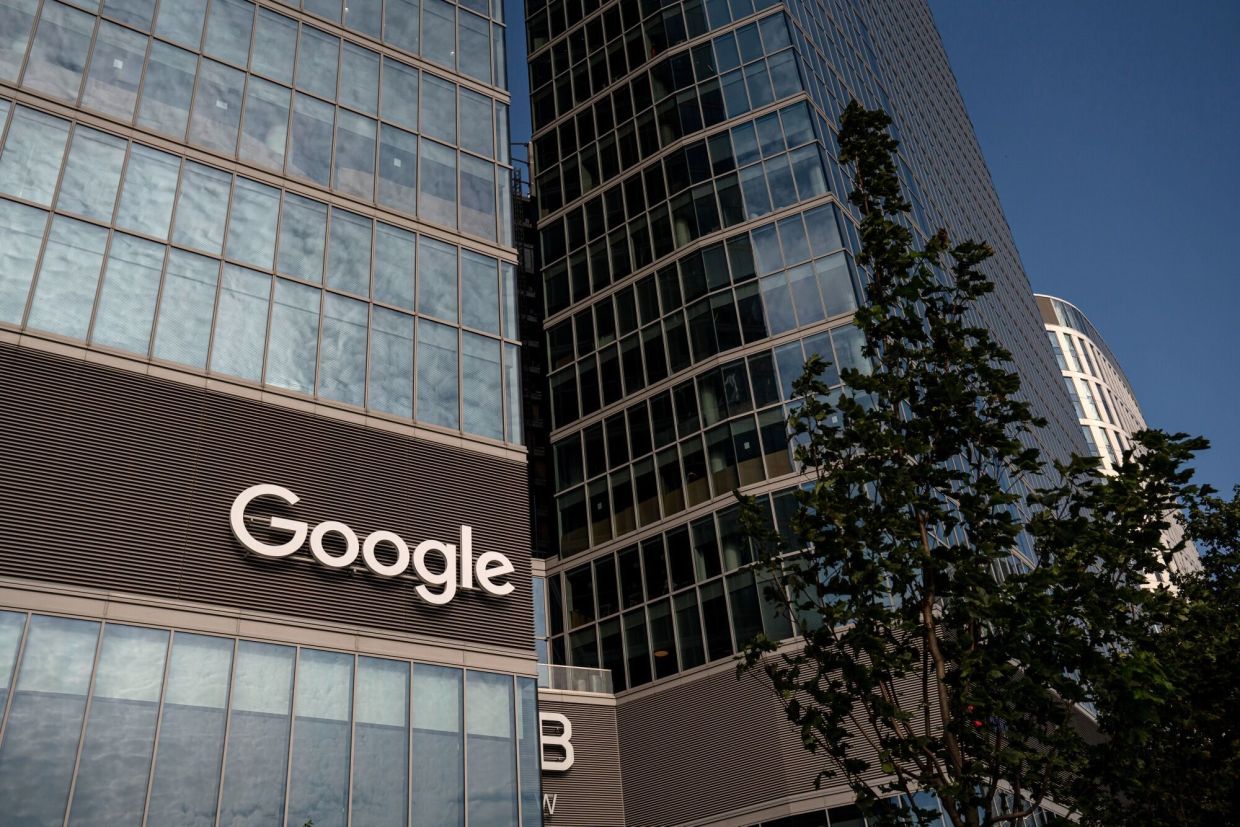
The irony is stark: the very company marketing artificial intelligence recruitment tools to enterprises worldwide has quietly admitted that its internal hiring systems cannot be trusted. Google DeepMind's AGI Safety and Alignment Team, tasked with studying how to manage risks from advanced artificial intelligence, recently instructed job applicants to circumvent the company's automated screening processes by submitting a special supplementary form alongside their standard applications. This extraordinary acknowledgement represents a striking contradiction between Google's external product pitch and its internal operational reality.
According to an internal document obtained by Bloomberg, the team responsible for mitigating dangers from next-generation AI systems warned candidates that their resumes faced "a non-trivial probability" of being incorrectly filtered out or delayed indefinitely within Google's recruitment infrastructure. The document urged applicants to complete a bypass form to ensure "a real human on the team will get to see your application." The very researchers developing safeguards against AI mishaps apparently have little confidence that their employer's algorithmic systems will fairly evaluate their future colleagues.
Google markets its AI-powered recruitment capabilities aggressively to corporate clients. The company's Workspace division, which sells business software including Google Drive and Sheets, actively promotes artificial intelligence features designed to "save HR time by quickly creating drafts for job postings, evaluating resumes, and forecasting hiring needs." These tools promise efficiency and scalability—the standard Silicon Valley pitch for automating human functions. Yet this same infrastructure, when applied to Google's own hiring, evidently produces results the company's own researchers find sufficiently unreliable to warrant special workarounds.
The contradiction reflects broader tensions within the AI industry regarding hiring automation. Most large technology companies now employ algorithmic systems at some stage of recruitment, whether to rank applications, filter resumes for keyword matches, or predict candidate success. Human resources departments have embraced these tools largely without transparency about how they function or what biases they might embed. The opacity surrounding AI hiring systems has become a persistent concern for regulators, employment lawyers, and job seekers across North America and Europe.
Evidence of discrimination through AI recruitment tools has accumulated steadily. A Bloomberg investigation revealed that OpenAI's ChatGPT exhibited potential bias when evaluating applicants based on their names—a troubling finding given the tool's widespread adoption in hiring contexts. More significantly, workplace management software company Workday faces ongoing litigation alleging that its AI systems systematically screen out candidates based on protected characteristics including race, age, and disability status, potentially violating employment discrimination laws. Workday has denied these allegations, asserting that humans make final hiring decisions, though critics argue this defense understates how algorithmic filtering narrows the candidate pool before human review occurs.
Google's official response to the DeepMind team's workaround attempt to minimise the issue. A company spokesperson denied that Google's systems filter applicants incorrectly and characterised the special form as simply offering "a way to go past the recruiter review, and get their resumes direct to the people on the team." The spokesperson emphasised that using the form provides no hiring advantage and that qualification remains paramount. This framing, however, contradicts the document's explicit statement that the standard application process poses genuine risks of incorrect screening or unacceptable delays.
The situation has also exposed another dimension of AI in hiring: job seekers themselves are increasingly using artificial intelligence to game the system. Candidates now employ large language models to craft applications designed to pass algorithmic filters, generate multiple customised cover letters at scale, and tailor resumes to keyword lists they believe hiring systems prioritise. The DeepMind team anticipated this problem and added a warning to their bypass form cautioning applicants against submitting AI-generated content. The advisory notably stated that "a real human will read these. These humans get really tired of reading LLM answers, because they all sound very samey." This observation highlights the recursive problem: as candidates use AI to beat filters, the filters become less useful, prompting companies to add human review steps that restore hiring friction.
For Malaysian and Southeast Asian readers, this episode carries important implications. As multinational corporations and increasingly ambitious regional technology firms adopt AI-powered hiring systems, local jobseekers may encounter similar black-box recruitment processes with undisclosed failure rates. The absence of transparency about how algorithmic systems evaluate candidates has already raised concerns among employment advocates and regulatory bodies in the region. Malaysia's labour market, where skills shortages in technology and knowledge sectors remain acute, could face particular distortions if AI hiring systems systematically exclude qualified candidates through hidden biases or technical failures.
Moreover, the Google case illustrates a fundamental governance problem: companies developing and deploying AI systems often lack adequate internal checks on these tools. The fact that Google DeepMind researchers—experts in AI safety and alignment—felt compelled to implement a workaround suggests that quality assurance processes within even the most sophisticated technology companies are insufficient. For regulatory frameworks in Southeast Asia still developing approaches to AI oversight, this serves as a cautionary example of how technological capability does not automatically translate into responsible deployment.
The episode also underscores the power asymmetry in modern hiring. Job seekers have limited visibility into how companies evaluate them, cannot easily challenge algorithmic decisions, and possess few remedies if they are systematically disadvantaged. This imbalance intensifies when, as in Google's case, the company deploying the system publicly denies problems that its own employees privately acknowledge. Without mandatory transparency requirements or independent auditing of hiring algorithms, workers have only imperfect information about the systems determining their employment prospects.

