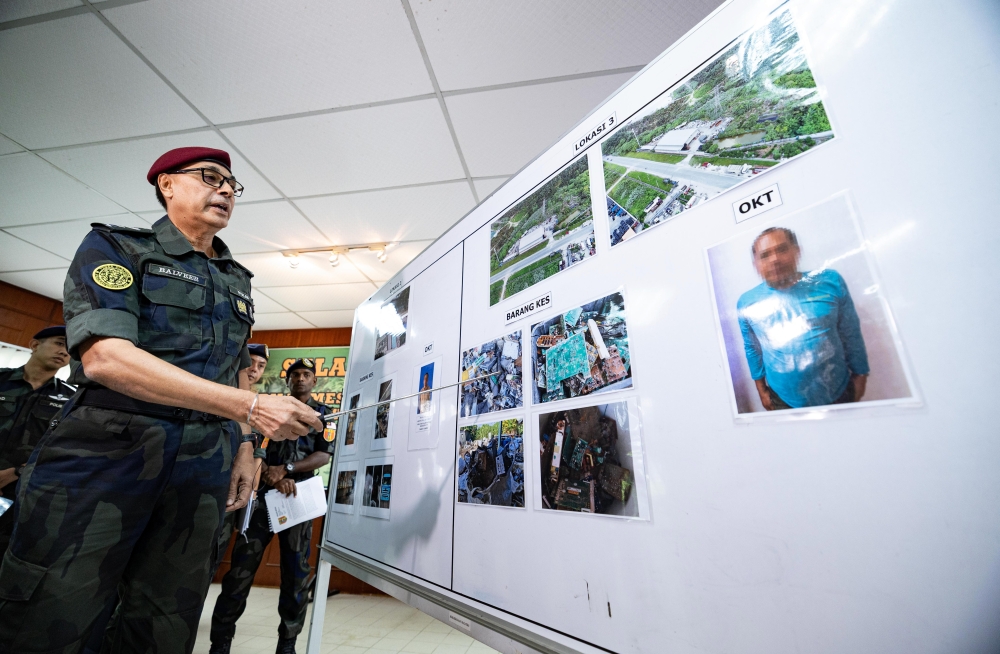
The General Operations Force Northern Brigade has dealt a substantial blow to an underground electronic waste trafficking network operating in Ipoh, seizing 120,220 kilogrammes of contraband materials estimated at RM9.39 million in value. The enforcement operation resulted in the arrest of fourteen individuals suspected of involvement in the illegal e-waste distribution and processing scheme. The scale of the operation underscores the persistent challenge authorities face in combating the illicit trade in discarded electronic goods, which has emerged as a significant environmental and public health concern across Southeast Asia.
The raids, conducted in the Ipoh district, targeted multiple locations suspected of serving as warehousing and processing facilities for the illegal e-waste operation. Authorities discovered substantial quantities of used and damaged electronic components, including computer hardware, telecommunications equipment, and other technological devices awaiting processing or resale. The confiscated materials were subsequently transferred to designated facilities for proper documentation and management in accordance with Malaysia's hazardous waste regulations.
This enforcement action reflects an intensified commitment by Malaysia's security and environmental enforcement agencies to address the growing problem of illegal e-waste importation and domestic trafficking. The electronic waste sector has become an attractive target for organised criminal groups due to the valuable materials contained within discarded devices—including precious metals such as gold, copper, and rare earth elements—coupled with minimal effective enforcement in certain jurisdictions. Traffickers exploit regulatory gaps and insufficient border controls to channel contaminated or restricted electronic goods into informal recycling networks that typically lack proper environmental safeguards.
The arrest of fourteen suspects signals that the operation extended beyond simple storage or transport of illegal materials. Investigators likely identified individuals responsible for coordinating supply chains, managing distribution networks, and potentially engaging in the dangerous informal processing of e-waste to extract valuable components. Such processing typically occurs without protective equipment or environmental containment measures, exposing workers to toxic substances including lead, mercury, and cadmium whilst simultaneously contaminating soil and water supplies.
For Malaysian readers and regional observers, the Ipoh operation carries broader implications for understanding Southeast Asia's emerging role as a destination for global e-waste flows. Following restrictions imposed by major trading partners on the import of hazardous waste, transnational trafficking networks have redirected shipments toward developing nations with less stringent enforcement mechanisms. Malaysia, positioned as a regional commercial hub with significant electronic manufacturing infrastructure, has become an attractive transshipment point for illegally diverted e-waste from developed economies.
The RM9.39 million valuation attached to the seized materials demonstrates the substantial economic incentive driving this illicit trade. Traffickers profit substantially by avoiding the legitimate costs associated with proper e-waste disposal and recycling, which in Malaysia are regulated under the Environmental Quality Act 1974 and the Basel Convention on hazardous waste. The price difference between informal and formal recycling channels can represent margins of 300 to 400 percent for criminal operators, explaining the persistence of underground networks despite regulatory crackdowns.
Environmental advocates have long emphasised that Malaysia's e-waste problem extends beyond simple illegal importation. Domestic generation of electronic waste has accelerated dramatically alongside rapid technology adoption and consumer electronics consumption across the country. Individuals and businesses seeking to dispose of obsolete equipment often resort to unregistered recyclers operating outside formal oversight structures, inadvertently perpetuating the cycle of informal processing and environmental contamination. The Ipoh operation represents a response to this ecosystem of illegal activity rather than an isolated criminal incident.
The arrest of fourteen individuals provides investigators with potential intelligence regarding upstream and downstream connections within the trafficking network. Law enforcement will likely pursue questioning aimed at identifying suppliers of illicit e-waste, foreign acquisition routes, and distribution channels reaching end-users in Malaysia and neighbouring countries. Such investigations frequently reveal connections to larger transnational networks spanning multiple jurisdictions, necessitating inter-agency cooperation and cross-border coordination among ASEAN nations.
Moving forward, the effectiveness of Malaysia's e-waste enforcement framework will depend upon sustained resource allocation, inter-agency coordination, and enhancement of border control mechanisms targeting prohibited shipments. The Ipoh operation demonstrates that targeted enforcement remains possible, yet systemic solutions require investment in formal e-waste recycling infrastructure and public awareness campaigns educating consumers regarding proper disposal pathways. Without such complementary measures, enforcement actions alone will continue addressing symptoms rather than addressing the underlying structural drivers perpetuating illegal e-waste trafficking throughout the region.

