Financial markets show little sign of slowing as August progresses, with several pivotal developments likely to shape asset valuations and economic outlooks across Asia-Pacific and beyond. A struggling Japanese yen, persistent inflation concerns in developed economies, and unresolved tensions over critical shipping lanes are commanding investor attention when many traders might otherwise be taking summer breaks.
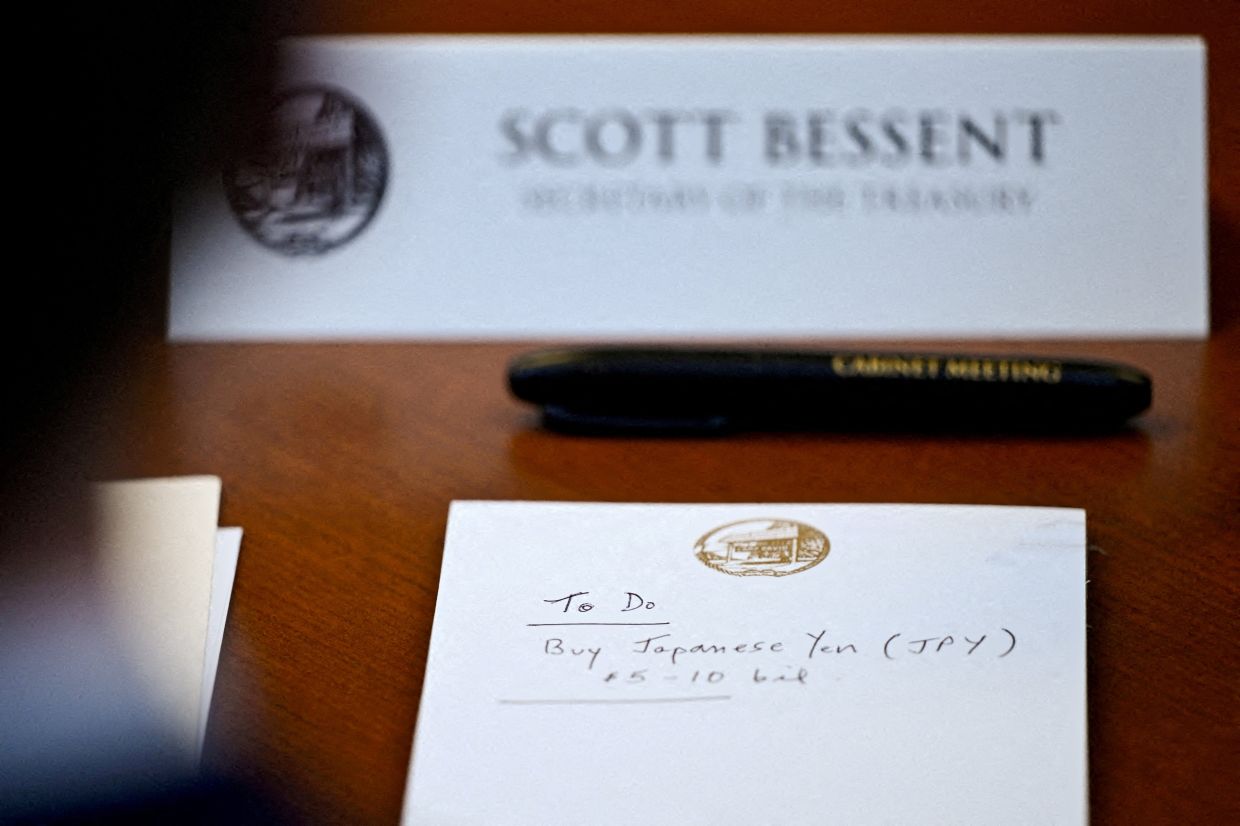
The Japanese currency remains under intense pressure, having touched levels unseen in four decades as capital flows weaken the yen relative to stronger dollar-denominated assets. This currency deterioration creates genuine economic pain for Tokyo policymakers, as it automatically inflates the cost of importing energy and raw materials at a time when global oil prices remain elevated. Recent weeks have seen coordinated action between American and Japanese authorities aimed at steadying the yen, with U.S. Treasury Secretary Scott Bessent publicly signalling commitment to supporting the currency through strategic interventions. These efforts appear to have provided temporary respite, yet currency traders remain focused on whether the Bank of Japan will follow through with anticipated rate increases in September to provide more durable support to the yen's value.
Beyond the immediate yen question lies a more profound debate about currency markets and the dollar's long-term status. Observers have noted that recent U.S. currency interventions utilised euros rather than dollar sales, a choice that analysts interpret as reflecting concern about destabilising bond markets through large-scale Treasury sales by foreign central banks. This tactical decision highlights underlying anxieties about the strength of America's financial foundation and whether reserve-currency dynamics are shifting in ways that could affect emerging markets throughout Asia reliant on dollar-denominated financing.
Meanwhile, the geopolitical landscape affecting energy markets remains unsettled, with indirect implications for Malaysian consumers and businesses. Negotiations between Iran and Oman concerning passage through the Strait of Hormuz have advanced without formal American involvement, presenting a potential pathway toward de-escalation in the Gulf region. The conflict in Yemen, now extending through its twenty-fourth week, continues to threaten shipping through the Red Sea as Iran-backed Houthi militias pursue attacks on commercial vessels and Saudi Arabian targets. For American policymakers approaching midterm elections, resolution of these tensions carries electoral weight, as persistently elevated petrol prices above four dollars per gallon remain politically damaging despite moderating inflation rates overall.
The American inflation picture will crystallise significantly following Wednesday's consumer price index release, which economists surveyed by Reuters anticipate will show year-on-year increases of 3.4 percent, with core CPI excluding food and energy rising 2.5 percent annually. This data arrives at a sensitive moment for Federal Reserve deliberations, following July employment figures that unexpectedly weakened consensus expectations for near-term interest-rate rises. The Fed maintained rates unchanged in recent meetings despite three dissenting policymakers voting for increases, and markets currently assign roughly forty percent probability to a September rate decision favouring higher borrowing costs. Producer price information due Thursday will complete the inflation picture, helping guide both Fed actions and the international capital flows upon which emerging markets depend.
For Southeast Asian policymakers and investors, American monetary policy carries outsized importance given regional reliance on dollar-denominated financing and the trade exposure of economies like Malaysia to American consumer demand. Any shift in Federal Reserve trajectory reverberates through currency valuations, commodity prices, and capital availability across the region. Similarly, the anticipated inflation data releases will influence whether global central banks maintain hawkish stances or begin contemplating policy easing.
Australian monetary policymakers face their own assessment moment, with the Reserve Bank scheduled to announce Tuesday whether three rate increases delivered during the current year have sufficiently restrained consumer price growth. Governor Michele Bullock has signalled readiness for additional tightening should inflation prove stubborn, even as June quarter data showed softening price pressures. This measured stance reflects uncertainty about whether earlier rate moves have adequately filtered through Australia's economy. Similarly, Norway's Norges Bank meets Thursday maintaining a tightening posture despite recent core inflation slowdowns.
British economic data promises to deliver politically sensitive information for newly installed Prime Minister Andy Burnham and his administration. Second-quarter GDP figures arriving Thursday will reveal whether Britain sustained the momentum from early-year growth or whether economic activity genuinely slowed during spring months. June monthly data could surprise positively, buoyed by retail spending linked to the soccer World Cup and unseasonably warm weather, though the quarterly aggregate may disappoint as April and May weakness offset earlier strength. European central bankers will simultaneously receive updated eurozone GDP estimates, with preliminary data already suggesting stronger-than-expected expansion during the second quarter.
The interconnected nature of these economic releases underscores how summer months, despite traditional market quietness, continue generating pivotal information shaping capital allocation decisions. For Malaysian market participants, these developments matter considerably given the country's trade exposure to both developed and emerging economies, reliance on stable currency regimes for international commerce, and susceptibility to commodity-price fluctuations driven by energy-market dynamics in the Gulf. Investors should remain vigilant as August unfolds, recognising that August holidays offer no escape from market-moving fundamentals.
The interplay between currency interventions, inflation data, central bank communications, and geopolitical tensions will likely determine which asset classes gain investor favour heading into autumn. Whether the yen stabilises sufficiently, whether American inflation proves transitory or persistent, and whether Gulf shipping lanes remain contested all carry implications extending well beyond the developed markets directly involved, influencing investment returns and economic opportunities throughout Asia-Pacific.

