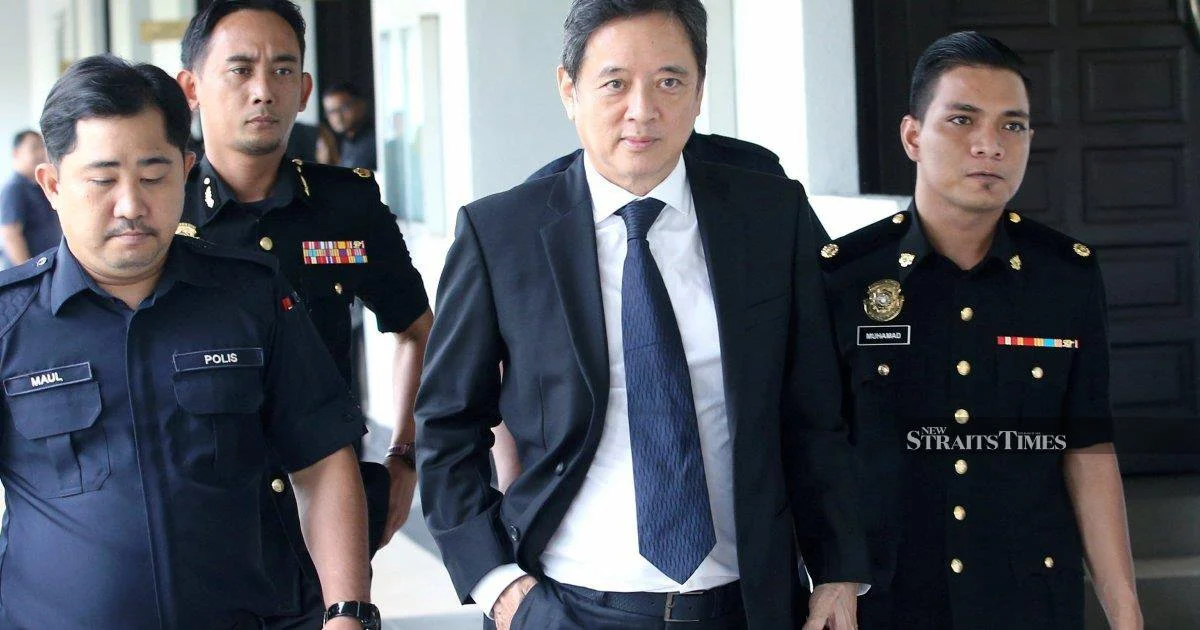
GIIB Holdings Bhd has reinstated its founder Tai Boon Wee to lead the company as non-executive chairman, a move that signals confidence in the businessman following his clearance by the Malaysian Anti-Corruption Commission. The appointment represents a significant moment for the investment firm, which operates within Malaysia's growing financial services landscape and has faced scrutiny in recent years.
Tai's return to the chairmanship marks the culmination of a process that saw the entrepreneur step away from daily operations while matters involving his conduct were examined by authorities. His subsequent clearance by the MACC, Malaysia's primary anti-corruption enforcement body, has paved the way for his reintegration into a leadership position at the company he founded. The timing of this appointment underscores the resolution of outstanding questions regarding his suitability to hold senior office.
The significance of this development extends beyond GIIB Holdings itself. In the Malaysian corporate context, where governance standards and regulatory compliance have come under increasing international scrutiny, the restoration of a founder-figure signals both personal vindication and renewed trust in the institution. Such transitions also carry implications for investor confidence and the company's ability to attract business partners who may have paused engagement during the period of uncertainty.
GIIB Holdings operates within Malaysia's investment and financial services sector, an industry that remains closely monitored by regulators and the public alike. The appointment of a non-executive chairman—rather than an executive position requiring day-to-day decision-making authority—suggests a balanced approach. This structure allows Tai to contribute strategic oversight and leverage his experience while limiting operational risk and maintaining clear separation between governance and management functions.
The MACC's clearance process reflects Malaysia's institutional commitment to impartial investigation regardless of a subject's prominence or business standing. The commission operates under parliamentary oversight and has established itself as an independent agency with authority to examine allegations involving public officials and private sector figures alike. That Tai emerged from this examination without charges carries weight in Malaysia's business community, where regulatory standing directly affects commercial partnerships and market reputation.
For GIIB Holdings specifically, this appointment addresses succession and strategic direction questions that likely arose during the period of uncertainty. The company's previous leadership structure would have required clarity on governance succession, particularly given Tai's foundational role in establishing the enterprise. His return to a chairmanship position, even in non-executive capacity, provides continuity in vision and institutional memory that newer leadership configurations might lack.
The broader context involves Malaysia's ongoing effort to strengthen corporate governance standards while maintaining a business-friendly regulatory environment. The dual challenge facing policymakers is ensuring robust anti-corruption enforcement without creating undue impediments to legitimate business activity. Cases like Tai's, where investigations conclude without formal charges, demonstrate the system functioning as intended—thoroughly examining allegations while protecting innocent parties from career-long reputational damage.
Investor perception will likely be shaped by this development. Institutional and retail shareholders have generally favoured clarity and closure in governance matters, making the resolution of Tai's status significant for market confidence. Whether GIIB Holdings faces renewed interest from investors who may have been cautious during the investigation period remains to be seen, but the appointment removes a cloud that could have constrained the company's growth trajectory.
The appointment also carries implications for other Malaysian business figures facing regulatory scrutiny or reputational challenges. Tai's return sends a message about restoration and redemption within Malaysia's corporate sphere—that clearance by authorities can facilitate reintegration into leadership roles. This may influence how other companies navigate governance transitions when founders or senior figures face investigations.
Moving forward, attention will focus on how GIIB Holdings leverages its founder's return to strengthen market position and shareholder returns. The non-executive chairman role traditionally emphasizes strategic advisory functions, board oversight, and stakeholder representation rather than operational management. This distinction allows Tai to guide the company's direction while professional management teams handle day-to-day execution.
The financial services sector in Malaysia remains dynamic, with competing domestic and regional players vying for market share and regulatory favour. GIIB Holdings' stability and clear governance structure will be important as the industry evolves. Tai's appointment, coupled with his MACC clearance, removes a source of uncertainty that could have distracted the organization from pursuing strategic opportunities.
Ultimately, this appointment reflects Malaysia's legal and regulatory processes functioning to reach resolution in high-profile cases. Whether one views the outcome as vindication or pragmatic closure, the clarity it brings benefits not just Tai and GIIB Holdings, but the broader Malaysian business environment by demonstrating that investigations have defined endpoints and that clearance allows stakeholders to move forward with confidence.

%22%2F%3E%3C%2Fpattern%3E%3C%2Fdefs%3E%3Crect%20width%3D%22100%25%22%20height%3D%22100%25%22%20fill%3D%22url(%23ph3sufhg)%22%2F%3E%3Crect%20width%3D%22100%25%22%20height%3D%22100%25%22%20fill%3D%22url(%23ph3sufhp)%22%2F%3E%3Ctext%20x%3D%2250%25%22%20y%3D%2250%25%22%20text-anchor%3D%22middle%22%20dominant-baseline%3D%22central%22%20fill%3D%22rgba(255%2C255%2C255%2C0.95)%22%20font-family%3D%22Georgia%2C%20'Times%20New%20Roman'%2C%20serif%22%20font-weight%3D%22700%22%20font-size%3D%22272%22%20letter-spacing%3D%22-0.02em%22%3EPerak%3C%2Ftext%3E%3C%2Fsvg%3E)