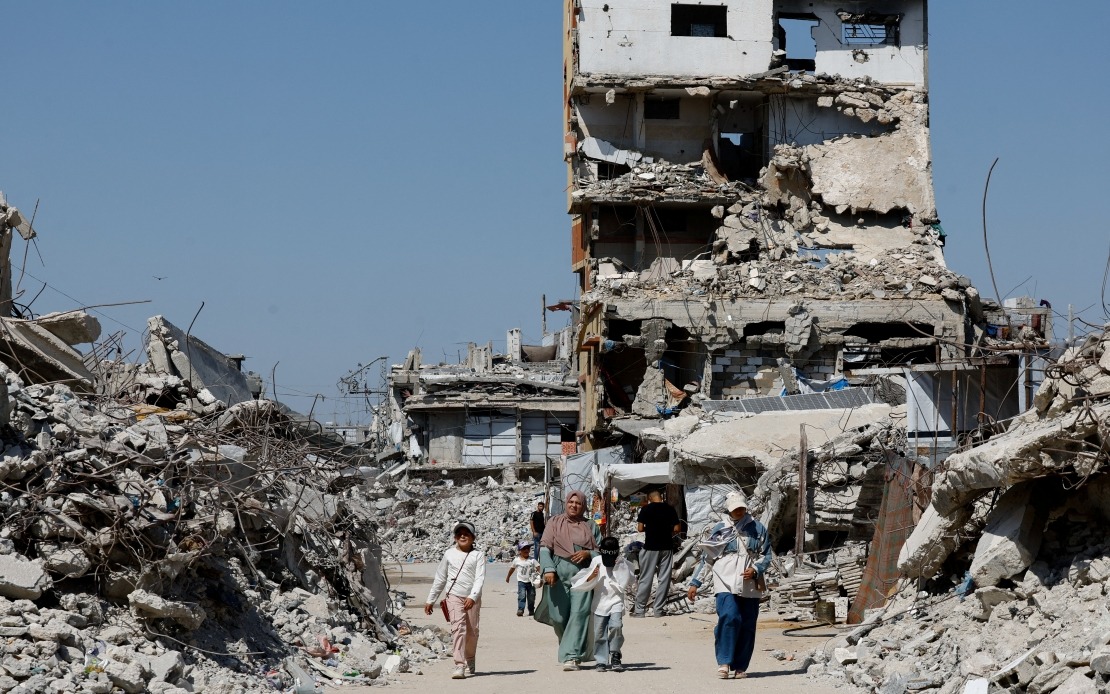
The death toll from the ongoing conflict in Gaza has surpassed 73,400, according to figures released Thursday by the Palestinian Health Ministry, which documented an additional 10 deaths and 25 injuries recorded in the blockaded territory over the previous day. The cumulative toll since fighting began in October 2023 now stands at 73,417 killed, marking a grim milestone in one of the region's deadliest modern conflicts. The ministry's daily statistical update confirms that Gaza's hospitals received 10 bodies and treated 25 wounded patients within the 24-hour reporting period, though the specific circumstances of these casualties were not detailed.
What distinguishes the current phase of the conflict is the purported ceasefire arrangement dating to October 2025, which the Palestinian Health Ministry claims has been repeatedly violated through sustained shelling and gunfire across multiple areas of Gaza. Rather than bringing respite to a devastated civilian population, the supposed truce appears to have created a new category of losses: those who die in breach of an agreement meant to halt hostilities. The ministry documented 1,283 deaths attributed specifically to violations of this ceasefire accord, alongside 4,248 additional injuries sustained during the same period. This suggests a pattern of systematic non-compliance with the terms that were presumably negotiated to protect non-combatants from further harm.
The practical challenges facing emergency responders underscore the humanitarian emergency that persists regardless of ceasefire status. Numerous casualties remain pinned beneath collapsed structures or lying on streets and roads throughout Gaza, yet ambulance crews and civil defence personnel are unable to reach them. This gap between the number of injured recorded in hospital admissions and the actual scale of suffering reflects the fragmented and dangerous conditions that emergency workers navigate. The inability to retrieve bodies and render aid represents not merely a statistical gap but a window into the acute danger and instability that continues to characterise daily life in the territory.
The broader infrastructure picture paints an equally catastrophic portrait of Gaza's condition. Approximately 90 percent of the enclave's civilian infrastructure has been damaged or destroyed through the course of the conflict, a figure that encompasses residential buildings, hospitals, schools, water systems, electrical grids, and other essential services. The United Nations has assessed that restoring this devastated territory would require approximately US$70 billion in reconstruction expenditure, a sum that far exceeds the resources available to Palestinian authorities or the international community's demonstrated willingness to commit. This level of physical destruction creates cascading crises: without functioning hospitals, even treatable injuries become life-threatening; without intact homes, the displaced population faces exposure and disease; without operational utilities, disease prevention becomes nearly impossible.
For Malaysia and other Southeast Asian nations observing the situation, the implications extend beyond humanitarian concern. The prolonged conflict and perceived ceasefire violations raise questions about the efficacy of international agreements and the mechanisms available to ensure compliance. Malaysia, as a Muslim-majority nation with historical advocacy for Palestinian rights within the United Nations and regional forums, has consistently called for accountability and adherence to international humanitarian law. The pattern of sustained casualties despite a supposed ceasefire highlights the gap between diplomatic agreements and on-the-ground implementation, a concern relevant to any regional power invested in conflict resolution and international law.
The accumulation of casualties over nearly two years reflects the intensity and scope of military operations that have characterised the conflict. The overall figure of 174,360 wounded compounds the mortality statistics, representing a population bearing both visible and invisible injuries that will persist long after active fighting ceases. Trauma, permanent disability, psychological damage, and compromised physical health create burdens that extend across generations, particularly when healthcare systems remain non-functional.
The ceasefire violations documented by the Health Ministry raise fundamental questions about the sustainability and credibility of agreements intended to protect civilian populations. Whether violations stem from deliberate non-compliance, miscommunication, or the difficulty of imposing discipline across military units, the practical result is identical: civilians continue to suffer casualties despite the supposed agreement. This reality reinforces the argument, made repeatedly by humanitarian organisations, that long-term solutions must address root causes rather than relying on temporary truces that remain vulnerable to breakdown.
The international community's response to these developments will likely remain constrained by geopolitical divisions that have characterised discussions of the Israeli-Palestinian conflict. Regional powers, including those in Southeast Asia, face pressure to balance diplomatic relations with traditional allies against their stated commitments to international law and humanitarian principles. Malaysia's position as a vocal advocate for Palestinian rights places it at the intersection of these tensions, maintaining calls for investigation and accountability while navigating complex regional relationships.
The scale of destruction and loss now documented in Gaza represents one of the defining humanitarian crises of the current era. For Malaysian policymakers and citizens, the situation underscores both the human cost of protracted conflict and the limitations of the international system to prevent or adequately address mass suffering. As the casualty figures continue to accumulate and the ceasefire remains fragile, the pressure mounts for diplomatic and humanitarian intervention that moves beyond documenting losses toward preventing future ones.

