Sony's decision to cease physical disc manufacturing has sent shockwaves through the gaming community, signalling a fundamental shift in how the industry distributes and preserves its products. The announcement represents far more than a simple business transition—it crystallizes a larger tension between consumer ownership and digital access that will reshape how future generations experience video games. For collectors who have invested decades building libraries of physical copies, the news feels like a betrayal of the permanence they assumed their purchases represented.
Yet the underlying concern extends beyond nostalgia or the tactile pleasure of holding a game case. The real question animating gamer anxiety is one of ownership itself: what exactly do we own when we purchase a digital game? Physical media, for all its apparent solidity, proves deceptively fragile. Disc rot gradually degrades the data stored on compact discs, while equipment failures can render entire collections unplayable as consoles age and die. Even storage media such as solid state drives can suffer data corruption if left without power for extended periods. The plastic case in your hand feels permanent, yet nothing lasts forever in the physical world.
Conversely, digital code persists as long as communities of people maintain interest in it and the infrastructure to run it. This paradox suggests that over centuries, as technology evolves beyond current systems, the games we play today will require periodic reinvention to remain accessible. The original cartridges and discs will become museum pieces, unplayable relics of defunct hardware. Without intervention, the cultural record of our era's entertainment would vanish into technological obsolescence. This existential threat to gaming heritage explains why forward-thinking publishers have begun approaching remakes not as mere commercial opportunism, but as acts of cultural preservation.
Capcom demonstrated early mastery of this philosophy, transforming the remake into a sophisticated art form rather than a straightforward rehashing exercise. The company understood that updating a classic requires more than simply improving graphics—it demands thoughtful reinterpretation of what made the original resonate. Nintendo, Ubisoft, and Microsoft have followed suit, each releasing remakes that transplant beloved titles into contemporary technical frameworks while respecting the creative vision that made them matter in the first place.
Consider how these studios approach accessibility. The Star Fox remake, for instance, expands control options considerably beyond the original's limitations, introducing a mouse mode that modernizes targeting mechanics for players accustomed to contemporary control schemes. Multiple difficulty settings ensure that experienced players and newcomers alike can experience the complete campaign narrative. New vehicles such as the Landmaster and Blue-Marine diversify gameplay across planets including Titania, Macbeth, and Aquas, expanding the original's relatively compact scope without overwhelming players unfamiliar with the franchise.
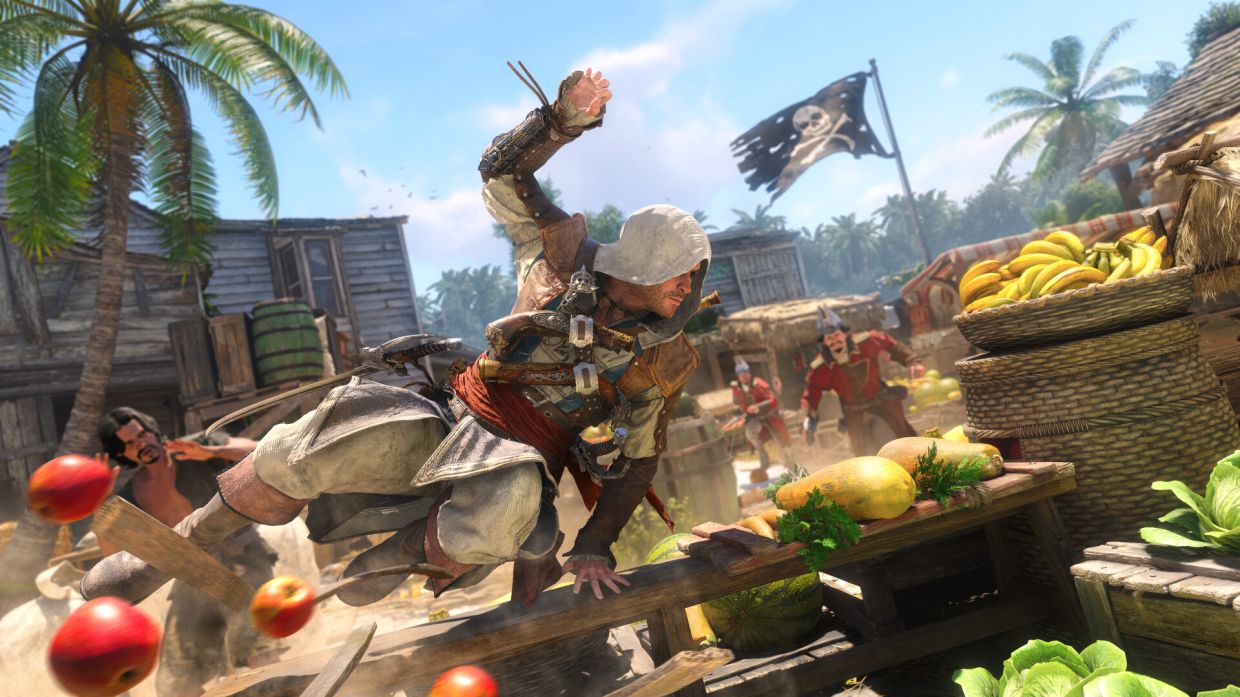
Assassin's Creed: Black Flag Resynced represents perhaps the most ambitious reimagining of the three. Rather than simply polishing visuals, Ubisoft rebuilt the entire experience in Unreal Engine 5, deconstructing the original game to its foundations and reassembling it as a genuinely modern work. The narrative received particular attention, with developers rearranging story elements to emphasise the pirate adventure at the heart of the experience while diminishing the modern-day framing device that has become increasingly tangential to the series. Additional quests flesh out Edward Kenway's journey from naval officer to pirate captain, deepening the progression that guides players through combat encounters, stealth sequences, and eventually the broader pirate gameplay involving base-building and crew management.
What distinguishes Resynced is its remarkable fidelity to the original's essential spirit. Longtime players report experiencing the game as if for the first time, suggesting that the remake captures something fundamental about what made the original engaging while presenting it through a contemporary lens. The atmospheric improvements—enhanced lighting, sophisticated fog and snow effects—create a moodier, more visually compelling world that matches modern players' expectations for cinematic presentation without sacrificing the accessibility that defined the original's broad appeal.
Halo's remake similarly demonstrates how thoughtful technical modernization can enhance rather than merely duplicate the source material. The development team incorporated gameplay refinements from the franchise's sequels, integrating weapon systems and vehicle hijacking mechanics that players now expect, while adding strategic depth through manual power-up activation and aiming-down-sights mechanics absent from the original. These additions feel organic rather than anachronistic, suggesting developers studied not just what the original did right, but how the series evolved in response to player feedback and changing genre conventions.
These three remakes share a common philosophy: they function as translations rather than photocopies. Just as an excellent literary translation preserves the meaning and emotional resonance of the source while adapting it for readers of a different language and era, effective game remakes capture the essence of the original experience while interpreting it for contemporary audiences with different expectations, hardware, and sensibilities. A purist approach that demands preservation of original mechanics and graphics misses the point—those artifacts exist in preserved original versions, playable through emulation or original hardware for dedicated enthusiasts.
For the broader gaming audience, remakes serve as essential bridges across technological generations. They ensure that the medium's creative achievements—the innovative game design, memorable narratives, and artistic vision—survive beyond the platforms that birthed them. Without remakes and creative reinterpretation, each technological shift risks erasing entire eras of gaming culture, leaving future generations with historical documentation but no living experience of the works that shaped the medium.
The implications extend beyond individual titles. As physical media disappears and digital distribution becomes universal, the preservation of gaming heritage becomes an increasingly urgent responsibility. Publishers must acknowledge that their role extends beyond profit maximization to include stewardship of cultural artifacts. The success of recent remakes demonstrates that honoring the past need not conflict with commercial success—excellent remakes attract both nostalgic players and curious newcomers, expanding rather than fragmenting the potential audience. This model suggests a sustainable path forward where classic games remain continuously accessible, perpetually reinterpreted for new audiences while maintaining the creative vision that made them enduring.

