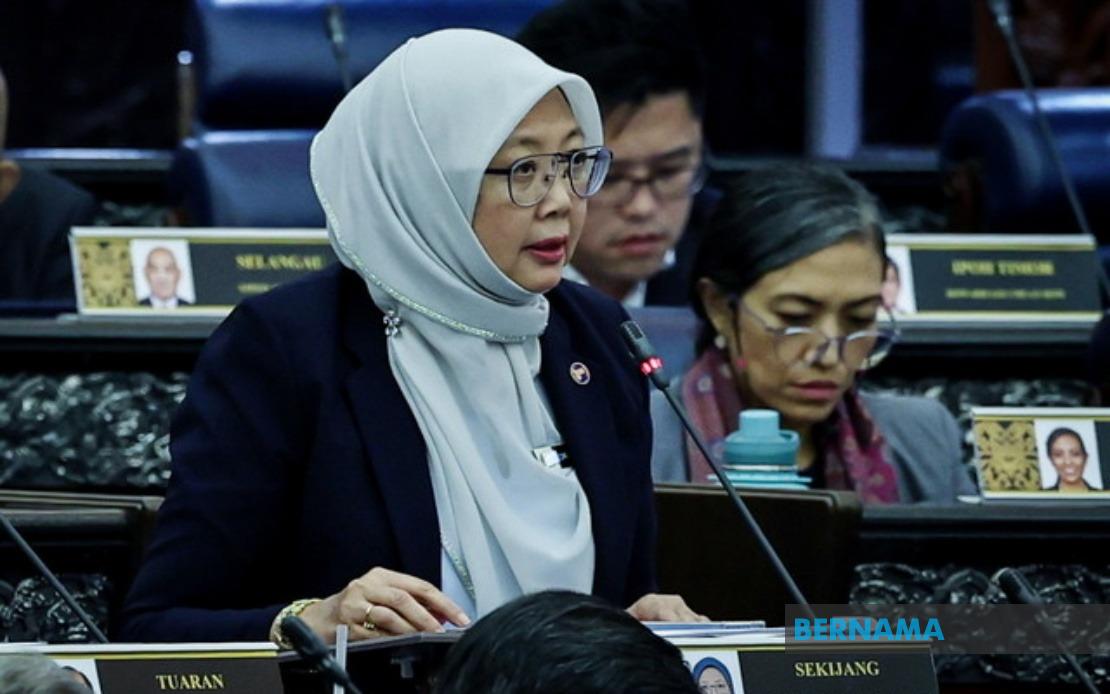
The full implementation status of recommendations from the Royal Commission of Inquiry into Lembaga Tabung Haji, along with detailed accounts of efforts to recover institutional losses, should be released publicly to help rebuild depositor trust, according to Datuk Seri Dr Zaliha Mustafa, the Government Backbenchers Club chairman and Member of Parliament for Sekijang. Her call comes as Parliament engages with the findings of an investigation that has raised serious questions about governance failures at Malaysia's premier Islamic financial institution serving millions of pilgrims and their families.
The intervention signals growing pressure within the ruling coalition to move beyond selective briefings towards genuine transparency regarding one of Malaysia's most significant faith-based organisations. As custodian of savings earmarked specifically for hajj pilgrimage expenses, Tabung Haji occupies a uniquely sensitive position in Malaysian Muslim life, making the credibility of any recovery narrative dependent upon verifiable, publicly accessible information rather than administrative assurances alone.
Dr Zaliha's comments emerged during parliamentary debate following a ministerial presentation on the RCI findings, herself directing focus toward three interconnected concerns: the institution's current financial standing and dividend distribution capacity, the wisdom and oversight of its investment decisions, and the adequacy of governance safeguards. Her strategic framing shifts the discussion beyond retrospective blame toward forward-looking accountability, whilst acknowledging that progress has been made through implementation of reform measures. The distinction matters because it allows space for institutional rehabilitation whilst refusing to compartmentalise accountability questions from ongoing operations.
Central to her concerns is a finding from the RCI that political expediency played a material role in precipitating the financial crisis. The commissioners identified that electoral cycle pressures influenced decision-making during the 2014-2020 period under examination, a conclusion that resonates across Southeast Asia where institutional autonomy remains vulnerable to governmental influence. This context transforms the recovery narrative from a simple matter of managerial competence into a broader question about institutional independence and whether safeguards have genuinely been fortified against political interference.
Dr Zaliha particularly scrutinised the role of the institution's former chairman, Datuk Seri Abdul Azeez Abdul Rahim, whose dual positions created potential conflicts of interest. Despite holding a nominally non-executive title, the former chairman maintained substantial involvement in major investment negotiations and simultaneously held directorships across multiple Tabung Haji subsidiaries and related entities. This structural arrangement enabled concentration of influence that, in retrospect, appears inconsistent with prudent governance principles that typically separate oversight functions from operational decision-making authority.
Moreover, Dr Zaliha raised unresolved questions regarding cash accumulation in accounts associated with the former chairman, alleging balances reached RM170 million at one point. The significance of this allegation extends beyond the specific sum involved; it speaks to whether financial controls and audit mechanisms functioned adequately to flag unusual concentration of liquid resources outside normal operational parameters. Clarification on the nature, authorisation, and eventual deployment of such funds remains essential to understanding whether systemic vulnerabilities extended to cash management practices.
The RCI itself was only established in 2021, with formal member appointments occurring in January 2022, nearly two years after the period of concern had largely concluded. Its 211-page report was presented to the Yang di-Pertuan Agong in August 2022 but remained unpublished until recently, creating an extended period during which institutional failings remained confined to government circles whilst public confidence eroded in opacity. The belated disclosure reinforces the case for proactive, systematic release of implementation updates rather than reactive revelation of information through parliamentary pressure.
The investigation yielded 25 specific recommendations targeting management deficiencies and operational weaknesses documented across the 2014-2020 interval. As of late July, Tabung Haji had completed approximately three-quarters of these reform measures, a respectable pace of implementation yet one that leaves meaningful work outstanding. Dr Zaliha appropriately called for transparent specification of completion status alongside realistic timelines for outstanding initiatives, creating a public benchmark against which progress can be measured and accountability maintained.
The broader context involves millions of Malaysian Muslims whose retirement security and religious obligations are entwined with Tabung Haji's institutional health. For workers of modest means, the monthly deductions feeding the hajj fund represent a disciplined savings mechanism intertwined with spiritual aspiration. The contamination of such a trusted vehicle through mismanagement and poor governance strikes at both material security and institutional faith simultaneously, making the restoration of confidence dependent upon evidence rather than reassurance alone.
Dr Zaliha's emphasis on examining leadership accountability represents a counterweight to institutional damage-control narratives that might minimise culpability through diffusion of responsibility. Her rhetorical question regarding the value of Muslim unity when trust is mismanaged addresses a tension inherent to Malaysian institutional life: the tendency toward consensus and acceptance of authority can inadvertently shelter poor governance from scrutiny. The successful resolution of the Tabung Haji situation thus depends partly upon parliamentary willingness to ask difficult questions about individual responsibility without permitting religious solidarity to become a shield against accountability.
The path forward requires both completion of the remaining reform initiatives and comprehensive public accounting of the recovery strategy. Malaysian depositors deserve not merely assurance that problems are being addressed, but verifiable evidence of the steps being taken, progress metrics, and timelines by which success can be measured. This approach would transform a potentially damaging episode into a case study in institutional renewal, demonstrating that Malaysian governance structures can successfully address systemic failures when subjected to sustained transparency and oversight.

