Defence Minister Datuk Seri Mohamed Khaled Nordin has confirmed that the full investigation report into the fatal grenade explosion at Hobart Camp Firing Range in Gurun, Kedah, will be submitted to his ministry on July 23. The incident, which occurred on June 16 during a Combat Enhancement Training exercise, resulted in the deaths of Lance Corporal Siti Khadijah Sungip and Sergeant Norazmi Abu Bakar, both of whom sustained catastrophic injuries within a training bunker.
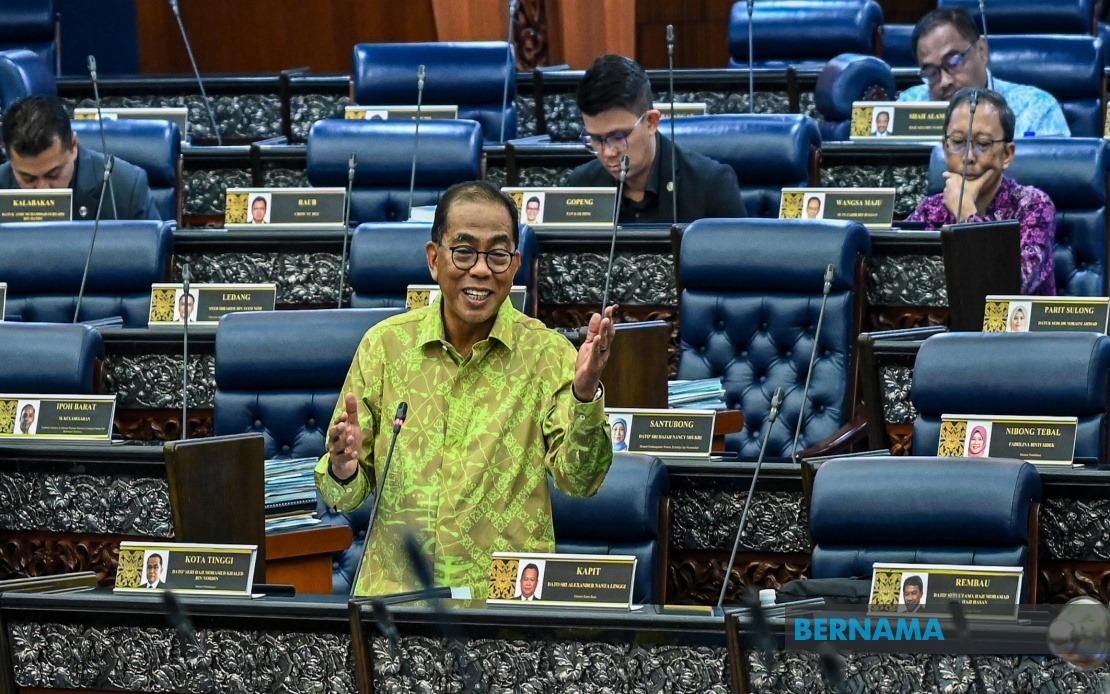
The Defence Minister emphasised the complexity and thoroughness required in such investigations when he addressed the Dewan Rakyat in response to parliamentary queries from Datuk Mohd Isam Mohd Isa of BN-Tampin. Mohamed Khaled stressed that the delay in finalising the report reflects the ministry's commitment to examining every technical dimension of the tragedy, rather than rushing to premature conclusions about what caused the explosion. The board of inquiry, formally established on June 17, has undertaken a painstaking review of procedures, equipment handling, and eyewitness accounts from those present at the training ground.
After initially receiving the board of inquiry's findings from the Army Western Field Command Headquarters on July 13, ministry officials identified gaps in the investigative process that necessitated recalling witnesses who were present during the exercise. Investigators determined that additional testimonies from other potential witnesses would substantially strengthen the factual foundation upon which conclusions about causation could rest. This methodical approach, while extending the timeline, underscores the sensitivity surrounding military training fatalities and the need to establish unambiguous findings that can withstand scrutiny.
The tragedy unfolded at approximately 10.57 am when the grenade detonated inside the bunker during routine training operations. Both victims were transported immediately to Sultan Abdul Halim Hospital in Sungai Petani but were pronounced dead en route, indicating the severity of blast injuries sustained. The incident shattered the assumption of safety that typically surrounds well-established military training protocols, prompting urgent institutional responses across the armed forces hierarchy.
In the immediate aftermath, Army Chief General Tan Sri Azhan Md Othman implemented sweeping precautionary measures designed to prevent recurrence. All grenade-throwing exercises across Malaysian Armed Forces units were temporarily suspended pending the completion of investigations and procedural reviews. Additionally, a comprehensive special inspection was ordered of all remaining grenades in the possession of the 1st Squadron of the Royal Engineer Regiment, reflecting concerns about equipment integrity and proper storage conditions.
Beyond these emergency containment measures, the Defence Ministry has outlined a series of structural improvements intended to fortify safety standards at military firing ranges nationwide. The installation of closed-circuit television cameras at all range facilities will create permanent visual documentation of training activities, enabling post-incident analysis and serving as a deterrent to procedural lapses. Body-worn cameras will be issued to instructors and senior personnel conducting explosive exercises, ensuring that critical moments are captured from multiple angles and perspectives.
A particularly significant reform involves the introduction of a casting policy governing ammunition and explosives held by military units. This systematic approach will establish definitive service life parameters for ordnance, ensuring that grenades and other munitions beyond their operational window are removed from active circulation before degradation or malfunction can occur. Such age-related failures represent a common cause of unintended detonations and premature explosions in military settings globally, making this policy adoption a substantive safety enhancement.
The investigation's extended timeline reflects broader lessons learned from military training accidents in other nations, where rushing to judgment without complete evidentiary review has sometimes led to incorrect causal determinations. Malaysia's approach mirrors international best practices in accident investigation, where technical examination, human factor analysis, and witness corroboration must converge before authoritative conclusions can be reached. The July 23 delivery date provides the defence establishment with approximately one week to complete final document preparation and ensure that all findings are comprehensively documented.
For the families of Lance Corporal Siti Khadijah Sungip and Sergeant Norazmi Abu Bakar, the investigation's conclusion will provide official clarity regarding the circumstances that claimed their loved ones. Beyond personal closure, the report will likely inform significant policy adjustments across the military establishment, potentially affecting how training exercises are conducted, supervised, and monitored. The incident has already catalysed a reassessment of explosive handling protocols that may extend beyond grenades to encompass other ordnance categories utilised in Malaysian Armed Forces training programmes.
The parliamentary response to the Defence Minister's statement reflected broad concern about military personnel safety and the adequacy of protective measures at training facilities. The government's commitment to deliver comprehensive findings rather than preliminary assessments has generally received support from lawmakers across party lines, recognising that establishing accurate causation serves both institutional learning and public accountability. The Defence Ministry's transparency in disclosing investigation timelines and methodology has also helped maintain public confidence in the armed forces' capacity for internal accountability.
Looking ahead, the July 23 report submission will mark a transition from investigative fact-finding to policy implementation and institutional reform. Defence Ministry officials have indicated that recommendations emerging from the board of inquiry will form the basis for revised training protocols, equipment management standards, and supervisory frameworks. These changes will likely be cascaded throughout the Malaysian Armed Forces within weeks of the report's formal tabling, establishing new baseline requirements for all units conducting explosive or ordnance-related training activities.
The Gurun incident serves as a sobering reminder of the inherent risks associated with military training, particularly exercises involving live ordnance. While such risks can never be entirely eliminated, systematic improvements in documentation, inspection, equipment management, and supervision can substantially reduce the probability of preventable accidents. The Defence Ministry's comprehensive response demonstrates institutional commitment to honouring the memory of the fallen personnel through concrete safety enhancements that will protect future generations of service members.

