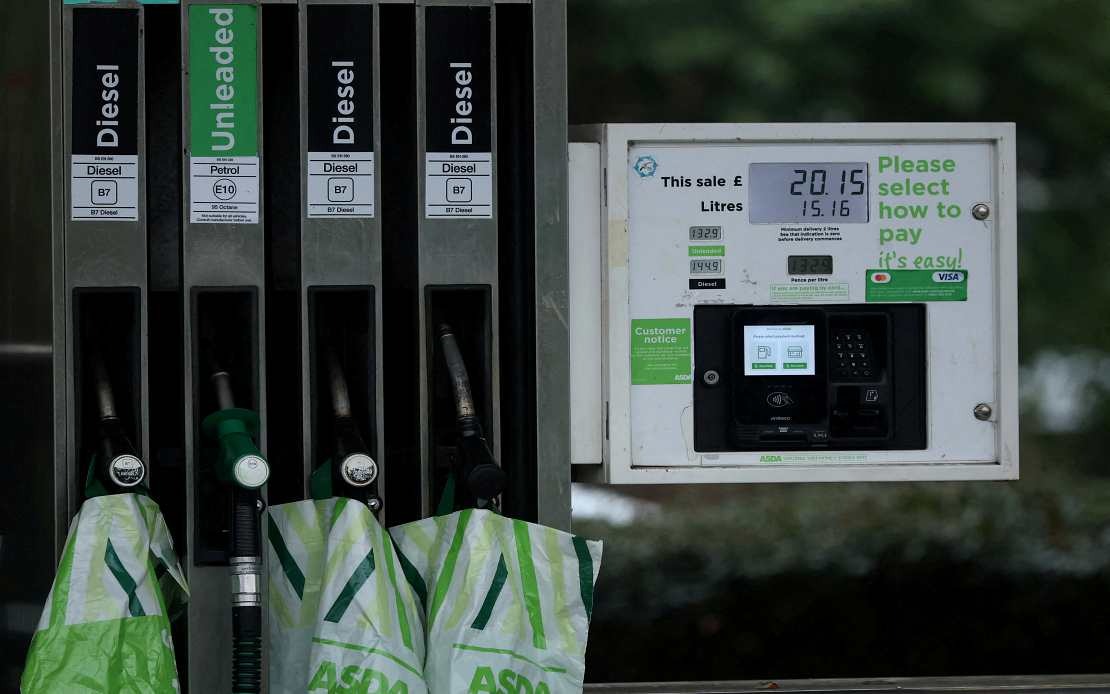
The scourge of fuel theft across British petrol stations has reached alarming levels, with drivers absconding with an estimated £194,000 worth of petrol and diesel every single day in recent months. Analysis by fuel theft prevention specialist Forecourt Eye reveals that incidents of unpaid fuel have jumped dramatically since geopolitical tensions involving Iran destabilised global energy markets in late February, creating a perfect storm of opportunistic crime and genuine hardship.
The scale of the problem becomes evident when examining the data from five months following the conflict's onset compared with the equivalent period beforehand. Reported instances of fuel stolen without payment climbed by one-fifth, a troubling acceleration that extends beyond simple shoplifting. What compounds this challenge for the industry is that the value of each theft has simultaneously increased, climbing 48 per cent as pump prices have themselves surged, meaning each incident now represents substantially greater financial loss to forecourt operators.
Forecourt Eye's findings draw on information from 550 petrol station installations across the United Kingdom's 8,359 total forecourts, providing a statistically meaningful snapshot of national trends. The organisation distinguishes between two principal crime types: outright drive-offs where no attempt at payment is made, and instances where customers claim inability to pay after filling their vehicles. First-time perpetrators account for a 23 per cent rise in incidents and 26 per cent increase in volume stolen, whilst repeat offenders show marginally lower growth rates of 17 and 20 per cent respectively, suggesting both opportunistic crime and an emerging cadre of habitual thieves.
The pricing environment fuelling this crime wave cannot be overlooked. Petrol prices climbed to 160p per litre in early August, representing a spike of approximately 27p since February and marking the highest cost in three and a half years. Diesel has proven even more volatile, now sitting roughly 37p per litre higher than pre-conflict levels at 179p. For cash-strapped British motorists already grappling with broader cost-of-living pressures, these jumps represent genuine financial strain that may motivate otherwise law-abiding citizens towards desperate measures.
What distinguishes the current wave from historical fuel theft patterns is the demographic profile of perpetrators. Ben Lawrence, director of Lawrences Garages which operates five stations in Norfolk and Hampshire, observes that fuel theft was traditionally concentrated among individuals already engaged in criminal enterprises. The present crisis has fundamentally altered this reality, with the cost-of-living squeeze drawing ordinary people into criminal behaviour out of economic necessity rather than malice. This represents a significant social consequence of energy market volatility, one that extends far beyond simple property crime statistics.
Lawrence identifies a further complicating factor: widespread public misunderstanding about forecourt ownership structures. Many petrol stations displaying the prominent branding of international energy corporations like BP and Shell operate as franchises under independent proprietors rather than being directly controlled by these multinationals. This creates a damaging perception among some drivers that theft from branded forecourts constitutes victimless crime against faceless corporate entities. When customers abscond with £80 to £90 worth of fuel, they inflict direct financial damage on small business operators rather than multinational oil companies, a distinction lost on many perpetrators.
The Petrol Retailers Association, representing independent station owners nationwide, reports escalating hostility and aggression directed toward forecourt staff. Gordon Balmer, the organisation's executive director, emphasises that shop assistants find themselves bearing the brunt of public frustration over fuel pricing, despite having absolutely no influence over the tariffs displayed. Staff increasingly face verbal abuse and intimidation from customers who perceive forecourt workers as responsible for energy market dynamics entirely beyond their control, creating a secondary victimisation of already underpaid workers.
Industry stakeholders are implementing technological countermeasures to combat the worsening theft epidemic. Forecourt Eye has partnered with Facewatch, a crime prevention technology provider, to furnish free access to incident reporting systems. These platforms enable rapid documentation of fuel thefts alongside other criminal activities occurring at forecourt and convenience store locations. More significantly, participating operators gain access to Facewatch's facial recognition network, which can alert staff to known repeat offenders attempting to return to their premises, providing a technological barrier against habitual criminals.
Michelle Henchoz, managing director of Forecourt Eye, frames this technological evolution as a necessary response to increasingly organised and sophisticated criminal operations. She emphasises that as offending patterns mature and become more coordinated, forecourt operators require integrated technology platforms capable of protecting both fuel pump areas and associated convenience stores whilst simultaneously generating evidence to support police investigations. This represents an escalation in the technological arms race between retailers and criminals.
For Southeast Asian observers, the British fuel theft crisis offers sobering lessons about energy price volatility's social consequences. Malaysia's own petrol subsidies and price regulation mechanisms, while periodically controversial, insulate consumers from the extreme volatility witnessed in deregulated British markets. However, the fundamental dynamic illustrated here—that steep energy price increases can trigger widespread theft and social unrest—remains universally relevant. The crisis demonstrates how global geopolitical events, from Middle Eastern tensions to supply disruptions, cascade rapidly into street-level crime and social breakdown within weeks rather than months.
The broader implications extend to questions of regulatory philosophy and social cohesion. Societies that permit rapid energy price escalation face not merely individual criminal acts but systematic challenges to compliance with law itself. When ordinary people perceive fuel pricing as economically ruinous, even those without prior criminal inclination may abandon law-abiding behaviour. British policymakers now confront difficult questions about whether current market structures adequately balance energy security with social stability—questions equally pertinent to resource-dependent economies throughout Asia and beyond.

