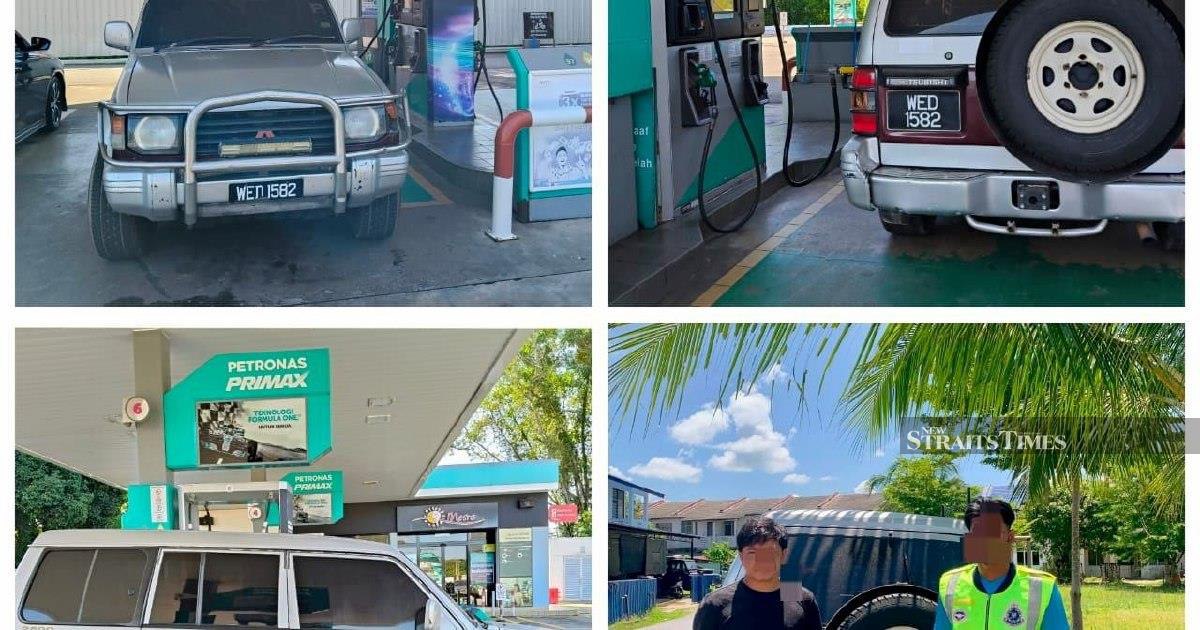
A 36-year-old suspect was taken into custody at a petrol station in Rantau Panjang, Kelantan, following allegations that he had engaged in a pattern of purchasing petrol specifically destined for illegal transportation across the Malaysian-Thai border. The arrest underscores the ongoing challenges facing authorities in combating organised smuggling operations that exploit fuel price differentials between the two nations.
The suspect's arrest comes as part of intensified enforcement efforts along the Malaysia-Thailand border region, where fuel smuggling represents a persistent problem. The price gap between Malaysian petrol and Thai fuel creates strong financial incentives for smugglers to exploit the border trade, with substantial profit margins driving criminal activity in the area. Rantau Panjang, situated in northern Kelantan, serves as a key crossing point for such illicit operations.
According to the arresting authorities, the individual had been observed making repeated visits to the petrol station, with each transaction appearing to follow a pattern consistent with smuggling operations. The vigilance of petrol station staff and coordination with border enforcement agencies enabled security forces to identify the suspect's suspicious behaviour before substantial quantities of fuel could be transported across the border.
Fuel smuggling remains a significant concern for Malaysian law enforcement and customs authorities, as it generates substantial losses in tax revenue and undermines legitimate trade operations. The illegal trade also poses safety risks, as fuel smuggled without proper documentation or safety protocols can create hazards for both transporters and end-users. Additionally, large-scale fuel diversion weakens Malaysia's domestic supply chain management and energy security position.
The Kelantan-Thailand border region has historically served as a transit zone for various smuggling activities beyond fuel, including electronics, textiles, and controlled substances. The porous nature of certain border areas, combined with inadequate surveillance infrastructure in remote locations, has enabled smugglers to operate with relative impunity. This particular arrest reflects authorities' commitment to disrupting these networks through increased checkpoint vigilance and inter-agency cooperation.
Thailand's lower fuel prices relative to Malaysia create structural economic incentives that criminals systematically exploit. Petrol smuggling operations typically involve small-scale operators purchasing fuel domestically and transporting it across land borders through informal routes, avoiding official customs checkpoints. These operations, though seemingly modest individually, collectively represent substantial economic losses and undermine government policy objectives around fuel pricing and subsidies.
The arrest demonstrates the importance of community vigilance and coordinated reporting mechanisms along border communities. Petrol station operators, truck drivers, and local residents who notice suspicious patterns of fuel purchases play a critical role in supporting enforcement efforts. Training programmes that educate frontline workers about identifying smuggling indicators have proven effective in multiple jurisdictions across Southeast Asia.
Investigations are likely to focus on determining whether the suspect operated independently or formed part of a larger smuggling syndicate. Understanding the organisational structure behind fuel smuggling operations helps authorities identify and disrupt supply chain nodes where intervention can yield maximum impact. Previous investigations in the region have uncovered networks involving tens of individuals operating across multiple petrol stations.
Cross-border fuel smuggling carries serious legal consequences in Malaysia, with perpetrators potentially facing charges under customs and excise regulations that carry substantial fines and imprisonment. The severity of penalties reflects government determination to deter participation in smuggling activities. Successful prosecutions serve as deterrents within smuggling communities and reinforce the risks associated with illegal border trade.
Managing fuel smuggling requires a multifaceted approach encompassing border security enhancements, legislative reforms, and regional cooperation mechanisms. Countries throughout Southeast Asia face similar challenges and have begun sharing intelligence and coordinating enforcement strategies. Enhanced monitoring systems at petrol stations, coupled with real-time data sharing between Malaysian and Thai authorities, represent emerging tools in combating organised smuggling networks.
The incident highlights broader questions about pricing policies and their unintended consequences. While fuel subsidies and price controls serve legitimate social objectives, they inadvertently create profit opportunities for smugglers. Policymakers must balance affordability goals against the costs of smuggling enforcement and revenue losses. Regional cooperation on pricing harmonisation or managed price differentials may offer longer-term solutions to structural smuggling incentives.
As authorities continue investigating this case, the focus will extend to disrupting the supply chains that smugglers depend upon. Tracking fuel purchases, monitoring suspicious patterns of bulk buying, and coordinating intelligence with Thai counterparts represent interconnected strategies designed to render smuggling operations economically unviable. The Rantau Panjang arrest exemplifies how sustained enforcement pressure gradually increases operational costs and risks for criminal networks engaged in cross-border smuggling.

