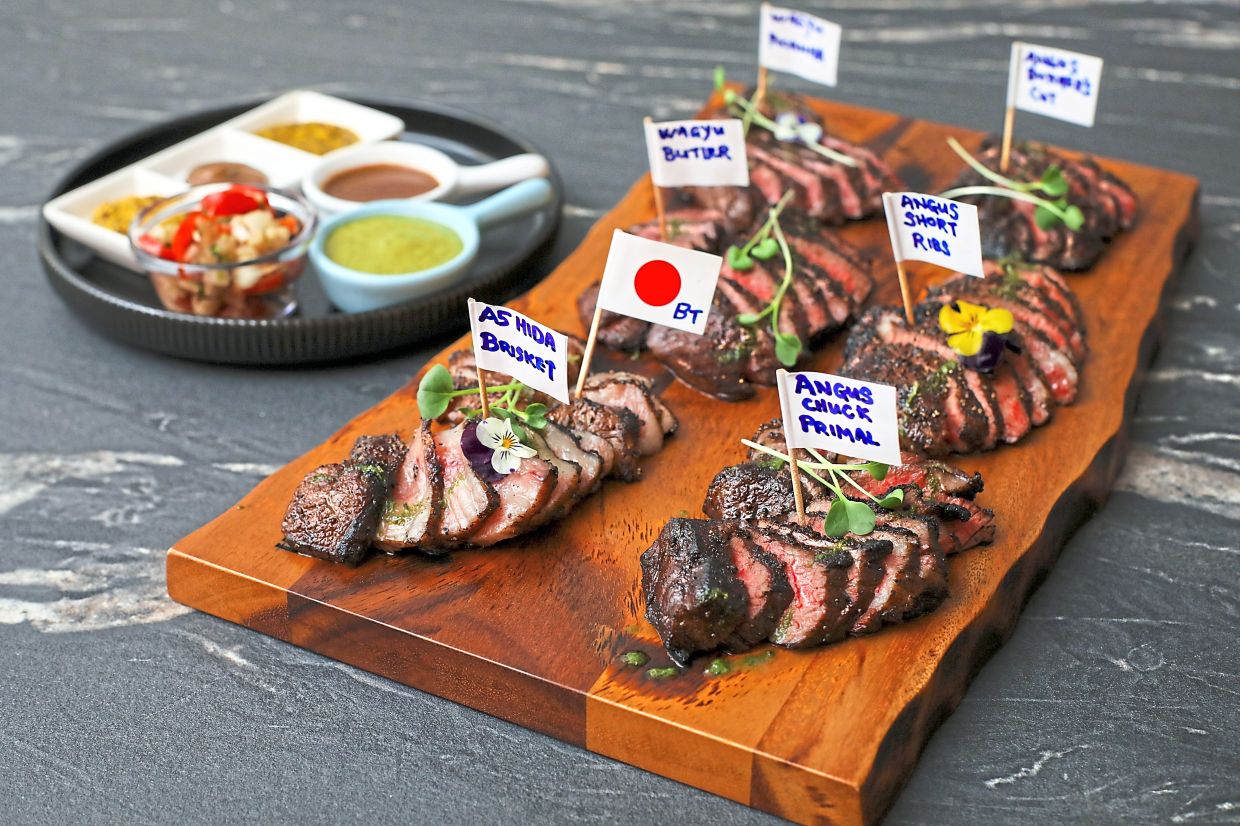
Malaysia's beef-loving diners are experiencing a quiet culinary revolution. At Meat Feds in Petaling Jaya, chef Yenni Law has become a specialist in butchering and preparing secondary cuts of beef—the less celebrated portions that have historically occupied the shadows of the kitchen. Her expertise has earned recognition: she and co-founder Shelly Saw secured a Malaysia Book of Records accolade this year for featuring 20 different secondary cuts on their menu, a testament to the growing sophistication of an ingredient class that restaurateurs once routinely discarded or transformed into mince. Law's meticulous work—carefully distinguishing sinew from fat, trimming silver skin with precision—illustrates the technical mastery required, yet she remains largely a pioneer in an industry that has long treated secondary cuts as second-class beef.
Despite Malaysia's position as Southeast Asia's leading beef consumer, the nation's dining preferences have remained stubbornly narrow. For decades, the culinary conversation centred on the so-called holy trinity: striploin, tenderloin, and ribeye. These prime cuts command premium prices and occupy pride of place on restaurant menus, yet they represent only 8 to 10 percent of a cow's total yield. The remaining 80 to 90 percent—encompassing cuts like flat iron from the shoulder, flank from the abdominal muscles, rump from the hindquarters, and picanha from the top rump cap—have been systematically underutilised. This wasteful approach stems partly from consumer expectations shaped by decades of marketing that positioned prime cuts as the only beef worth eating, leaving most Malaysians unaware of the textural and flavour complexity that secondary cuts can deliver.
The turning point arrived gradually, particularly across the Klang Valley's mid-range and high-end dining establishments. Educational initiatives spearheaded by bodies like Meat & Livestock Australia and distributors such as Lucky Frozen Sdn Bhd have fundamentally altered perceptions among chefs and restaurateurs. Through seminars, masterclasses, and tasting events, these organisations have reframed secondary cuts not as inferior alternatives but as lead ingredients worthy of showcase preparation. This strategy mirrors successful campaigns elsewhere: Norway's intensive promotion of salmon to Japan during the 1980s transformed the fish from a dismissed ingredient into the nation's preferred sushi topping within decades. What appeared initially to be a niche product category has gradually gained legitimacy through targeted engagement and expert demonstration.
Valeska V, regional manager for South-East Asia at Meat & Livestock Australia, articulates the organisation's approach plainly: prime cuts appeal because they require minimal preparation and deliver consistent tenderness, attracting both cautious chefs and conservative diners. However, as culinary sophistication increases and market pressures mount, opportunity emerges. The organisation invests substantially in educating chefs about processing techniques, flavour profiles, and value propositions that secondary cuts offer. These educational touchpoints serve multiple purposes simultaneously—they build technical confidence, create peer networks, and provide validation through expert validation.
Economic necessity has accelerated this transition considerably. The global oil crisis and worldwide beef scarcity have triggered a dramatic repricing of premium cuts. Desmond Chong, head chef at woodfire grill restaurant Ignis KL, reports that prime cut prices have surged approximately 30 percent in recent months, whilst secondary cuts have increased by only about 10 percent. This widening price differential has created compelling business logic for restaurateurs seeking to maintain margins whilst offering beef-centric menus. Chong now features three to four secondary cuts regularly, a decision driven largely by economic pragmatism rather than culinary ideology, though the resulting dishes prove that economics and excellence need not conflict.
Beyond pure cost considerations, secondary cuts offer a compelling value proposition for both establishments and diners. Depending on the specific cut and market conditions, secondary cuts can cost 20 to 60 percent less than their prime counterparts—a differential that translates to hundreds of ringgit in savings per serving. James See, business development director at Lucky Frozen Sdn Bhd, articulates a broader philosophical position: Malaysia's continued appetite for beef, combined with global supply uncertainties, argues for diversification across the entire carcass rather than dependence on limited prime-cut availability. This approach builds resilience against beef inflation whilst supporting more sustainable utilisation practices that waste less of each animal.
Culinary potential extends beyond economics into genuine gastronomic territory. Secondary cuts deliver markedly different textural and flavour experiences compared to their prime counterparts. At Law's restaurant, diners encounter brisket with deep bovine intensity, picanha delivering particular bite and malleability, and short ribs offering chew that evolves across the palate. At Ignis, Chong's charcoal-fired preparations showcase how secondary cuts respond beautifully to high-heat cooking, developing silken mouthfeels and caramelised exteriors that rival traditional premium preparations. The flavour spectrum these cuts provide—richer, more mineral, more complex than the comparatively neutral tenderness of prime cuts—appeals increasingly to chefs who have moved beyond simple textural preferences toward more nuanced culinary expression.
Yet widespread adoption faces substantial hurdles. Secondary cuts demand considerably more technical knowledge than prime cuts. They contain higher proportions of sinew, silver skin, and intramuscular fat that require careful removal to achieve optimal texture and appearance. This learning curve has historically discouraged chefs from experimentation, particularly those trained exclusively on prime-cut preparation. Law emphasises that proficiency develops only through sustained practice; distinguishing fat from sinew requires developed sensory judgment rather than formulaic technique. For many establishments, investing in this training represents a genuine commitment rather than a simple menu adjustment, explaining why secondary-cut adoption remains concentrated among pioneering chefs willing to undertake substantial skill development.
The regulatory and educational infrastructure supporting this transition remains nascent by global standards. Meat & Livestock Australia's activities represent perhaps the most systematic effort, though its reach encompasses primarily high-end establishments and ambitious chefs already predisposed toward innovation. Smaller restaurants, which collectively serve the majority of Malaysian beef consumers, receive limited direct support or education. This infrastructure gap helps explain why secondary-cut adoption remains primarily an urban, upmarket phenomenon rather than a democratic shift across the entire dining landscape. Broader industry engagement—potentially involving government support or industry associations—would likely accelerate adoption across price points and establishment types.
The Malaysian market remains genuinely early-stage in this transition. Unlike Japan's salmon evolution, which unfolded over multiple decades and fundamentally transformed a cuisine, Malaysia's secondary-cut movement operates within an already-established beef-dining framework without the cultural wholesale reorientation that salmon required. Diners accustomed to ribeye steaks and tenderloin fillets are being asked to reconsider not their protein choice but the specific portion thereof. This represents simultaneously a more and less ambitious proposition—more challenging because it confronts entrenched preferences, yet more manageable because it operates within accepted parameters rather than requiring cultural translation.
Looking forward, several factors appear poised to deepen this shift. Continued global supply uncertainties and pricing pressures will maintain economic incentives for diversification. Educational initiatives will likely expand as more chefs experience success with secondary cuts, creating peer-to-peer validation that rivals formal industry efforts. Supply chain improvements—better distribution networks, clearer labelling, standardised specifications—will reduce friction for smaller establishments considering adoption. Consumer awareness will gradually increase as diners encounter these cuts in respected establishments and develop familiarity with their distinctive characteristics. This transformation differs fundamentally from sudden culinary fashions; instead, it represents a pragmatic reckoning with economic reality, environmental sustainability, and genuine gastronomic potential converging to reshape what Malaysians understand beef dining to encompass.

