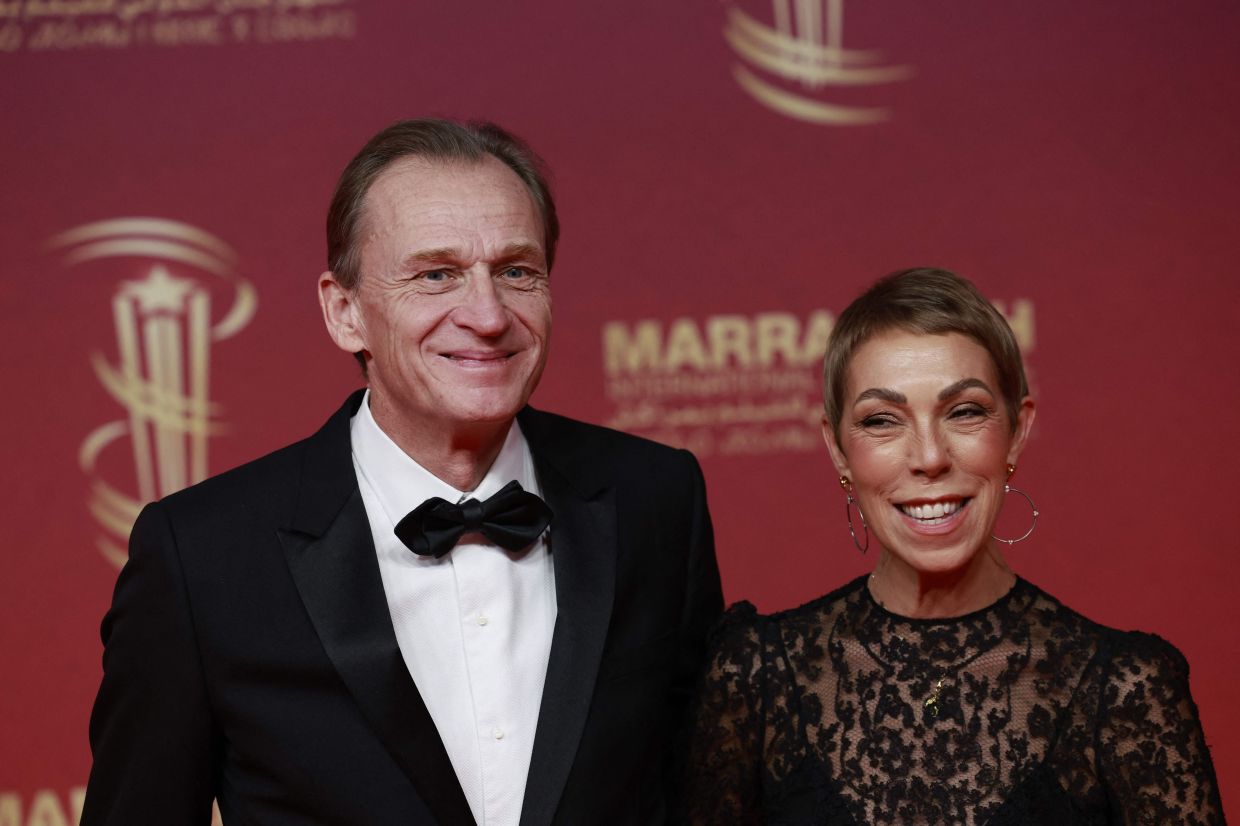
Two prominent figures in France's entertainment and luxury sectors have died in a traffic accident in western France, marking a significant loss to both industries. Nicolas Altmayer, a 61-year-old film producer whose work earned widespread recognition, and Mathilde Favier, 57, who served as head of public relations for the renowned fashion house Dior, were killed when their vehicle collided with an oncoming truck on Monday afternoon in the Deux-Sevres department. The collision occurred while the couple attempted to overtake another vehicle, according to Nicolas Leclainche, deputy public prosecutor in Niort.
Altmayer's career spanned decades in French cinema, during which he established himself as a creative force capable of balancing commercial appeal with artistic vision. He co-founded and headed Mandarin & Compagnie alongside his brother Eric, through which the pair developed projects that gained recognition across France's film industry. The production company's portfolio reflected the brothers' ability to navigate between mainstream entertainment and more ambitious, character-driven narratives. In 2017, their contributions to French filmmaking were formally acknowledged when they received the Daniel Toscan du Plantier Prize, awarded annually by the Académie des Césars—France's equivalent of the Academy Awards—honouring the country's best producer of the year.
Favier's career trajectory within the luxury sector demonstrated the critical importance of communications leadership in heritage fashion houses. As Dior's public relations chief, she occupied a position of substantial influence within one of the world's most prestigious brands. Her role involved managing the brand's public image, coordinating with media, and ensuring consistent messaging across global markets at a time when fashion houses operate as complex multinational enterprises with stakes in numerous countries and customer segments. The prominence of her position underscores how luxury conglomerates depend on skilled communicators to maintain brand prestige and navigate the intersection of fashion, culture, and commerce.
The couple's relationship extended beyond personal partnership into professional collaboration. Industry observers noted their shared commitment to excellence across different domains of French creative culture—Altmayer in filmmaking and Favier in luxury brand stewardship. This intersection reflects broader patterns in France's cultural economy, where entertainment, fashion, and commerce frequently intersect through shared networks of influential professionals who shape national and international cultural narratives.
Reactions to their deaths reverberated swiftly through France's entertainment, fashion, and political establishments, reflecting the couple's standing within these circles. Jean Dujardin, an Oscar-winning French actor who had worked within the industry circles they inhabited, expressed profound shock and sadness, emphasising the warmth and mutual affection that characterised their relationship. Such tributes from peer professionals carry particular weight in close-knit creative communities where working relationships often deepen into lasting friendships.
The French government, through Culture Minister Catherine Pegard, offered official recognition of Altmayer's professional accomplishments and broader significance to French cultural output. The minister's statement characterised him as a producer who possessed both discernment in artistic matters and commercial sensibility—a rare combination that enabled him to shepherd projects bridging popular entertainment and auteur-driven cinema. This dual capacity made him particularly valuable within France's film ecosystem, where ongoing tension exists between sustaining commercially viable production and preserving space for more experimental or personally driven filmmaking.
Pegard's tribute also acknowledged Favier's representation of another dimension of French cultural export: the nation's dominance in luxury goods and fashion. Her role embodied the sophisticated communications expertise that underpins the global appeal and prestige of French luxury brands. The minister's inclusion of Favier in official recognition signals governmental understanding that luxury fashion constitutes a significant component of France's cultural soft power and international reputation, comparable in strategic importance to cinema and the arts.
Bernard Arnault, chairman and chief executive of LVMH—the multinational luxury conglomerate that owns Dior alongside numerous other prestigious brands—publicly honoured Favier through the brand's official Instagram account. Arnault's tribute emphasised her decades of dedication to advancing Dior's interests and her personal investment of energy, passion, and professional capability in service of the house. This acknowledgment from the summit of the luxury fashion industry recognises the human dimension of corporate success, particularly the importance of skilled, committed individuals operating at senior levels within major organisations.
The accident itself raises questions about road safety on French highways, particularly regarding dangerous overtaking manoeuvres that contributed to this collision. Such incidents periodically spark broader discussions about enforcement of traffic regulations, driver behaviour, and infrastructure design in ways that resonate beyond individual cases. For Malaysian and Southeast Asian readers, the incident serves as a sobering reminder of traffic risks that transcend national borders and socioeconomic status—even prominent, experienced professionals remain vulnerable to accidents when circumstances align dangerously.
The loss of these two individuals simultaneously represents a disruption to ongoing professional responsibilities within their respective organisations. Film productions can face scheduling complications when key creative figures suddenly become unavailable, while luxury houses must navigate transitions in senior communications roles during periods when maintaining consistent brand messaging remains essential. The broader cultural loss, however, extends beyond organisational impact to encompass the absence of their future contributions to French cinema and international fashion communications—projects unmade, creative visions unrealised, and the networks of influence and mentorship they might have continued to develop.
Within the Malaysian context, where French cultural influence carries particular prestige and where luxury brand consumption represents a significant economic sector, the deaths of such prominent figures in France's creative establishment carry resonance. Both cinema and fashion constitute important vectors through which France maintains international cultural relevance and soft power, dimensions that directly intersect with Malaysian cultural consumption patterns and aspirations. The tragedy underscores the interconnectedness of global creative industries, where figures working in Paris or other European centres shape aesthetic standards and cultural narratives experienced in Southeast Asia.

