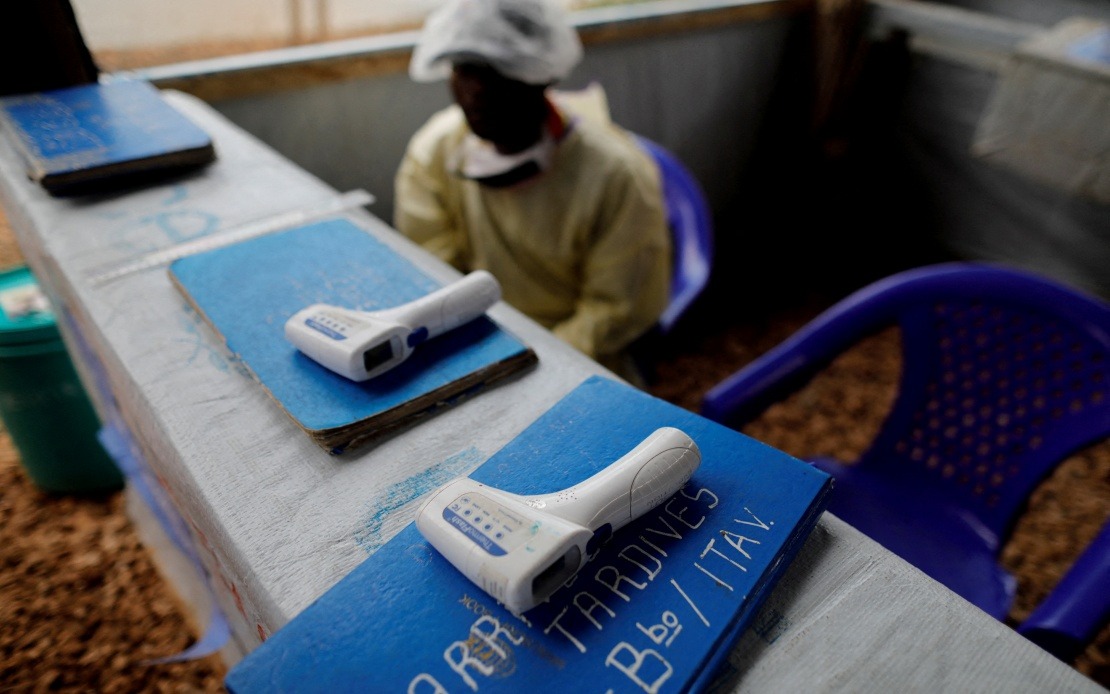
France has recorded its first confirmed recovery from Ebola, marking a rare success story in the ongoing fight against the devastating virus that continues to ravage the Democratic Republic of the Congo. French Minister of Health Stéphanie Rist announced that the patient, a physician engaged in humanitarian work, has been discharged from hospital and cleared to return home following successful medical intervention. The case, while significant for France, underscores both the vulnerability of healthcare professionals working in outbreak zones and the effectiveness of modern medical care when cases are identified early and managed intensively in well-equipped facilities.
The affected doctor had recently returned to France on June 23 after spending time in the Democratic Republic of the Congo, where he had been working on humanitarian missions. His deployment in a country grappling with a severe Ebola outbreak placed him in direct contact with the virus, a hazard that healthcare and aid workers routinely face in their efforts to combat disease and provide essential services in crisis zones. Upon arrival in France, the patient immediately underwent rigorous medical observation and monitoring protocols, a critical step that allowed French health authorities to track the disease's progression in real time.
What proved decisive in this case was the patient's relatively mild clinical presentation. Unlike severe Ebola infections that rapidly develop life-threatening complications, this doctor did not progress to critical illness, avoiding the cascade of organ failure and hemorrhagic symptoms that typically characterise fatal cases. This milder course of the disease—sometimes referred to as abortive infection—allowed his immune system to mount an effective response with supportive medical care, rather than requiring intensive interventions such as mechanical ventilation or experimental therapeutics. His successful recovery highlights how individual variation in disease severity can dramatically affect outcomes, even among patients with confirmed infection.
The timing of this French case coincides with an accelerating crisis in Central Africa. The Democratic Republic of the Congo has been battling a new Ebola outbreak since May 15, representing one of the largest epidemic waves the nation has endured. Government figures released at the time of the French patient's recovery showed the outbreak had already claimed 438 lives among 1,502 confirmed cases, translating to a case fatality rate exceeding 29 percent. These figures illustrate the devastating toll the virus continues to exact in a region where healthcare infrastructure remains fragile and resources for outbreak response are chronically insufficient.
The Democratic Republic of the Congo's struggle with Ebola reflects the broader public health vulnerability that characterises much of sub-Saharan Africa. The nation has faced multiple Ebola outbreaks over recent decades, each catastrophic in its human and economic costs. The 2014-2016 West African Ebola epidemic, which primarily affected Guinea, Liberia, and Sierra Leone, killed over 11,000 people and exposed critical gaps in regional disease surveillance and response capacity. Though the Democratic Republic of the Congo is geographically distant from West Africa, it has its own history of viral haemorrhagic fevers and faces similar challenges in containing outbreaks.
For Southeast Asian nations and Malaysia specifically, the French case carries several important implications. First, it demonstrates that Ebola, despite its fearsome reputation, can be successfully managed and even cured when patients reach well-equipped medical facilities promptly. Malaysia's healthcare system, being relatively advanced compared to many developing nations, would be well-positioned to manage any imported cases. Second, the case underscores the occupational risks faced by humanitarian workers and medical professionals operating in outbreak regions. Malaysian healthcare workers and aid personnel deployed abroad must be aware of these hazards and follow rigorous infection prevention protocols.
Third, the French recovery illustrates the critical importance of rapid case identification and isolation. The French patient was recognized quickly upon his return and placed under surveillance immediately, preventing any possibility of community transmission. This model of early detection and isolation represents best practice that Southeast Asian health agencies have implemented and refined, particularly following experience with previous outbreaks of other infectious diseases. The effectiveness of this approach in France provides validation for the systems and procedures that health authorities across the region have established.
The recovery also carries implications for international disease surveillance and cooperation. The fact that a French national contracted Ebola while working in humanitarian capacity demonstrates that the outbreak in the Democratic Republic of the Congo remains active and poses risks to international personnel. The global health community must continue supporting affected nations with technical expertise, equipment, and personnel. Organisations such as the World Health Organization play a crucial coordinating role, and regional bodies in Africa and globally must maintain vigilance and readiness.
Moreover, this case illustrates why sustained investment in public health infrastructure, disease surveillance systems, and healthcare worker training across the developing world remains essential. The Democratic Republic of the Congo's ongoing struggle with Ebola reflects not merely a local crisis but a global health security concern. Viruses do not respect borders, and an outbreak uncontrolled in Central Africa could eventually threaten distant populations through international travel and trade. The international community's commitment to helping nations build resilient health systems therefore serves enlightened self-interest alongside humanitarian values.
Looking forward, the French patient's recovery offers hope and valuable medical insights. His case contributes to the growing body of knowledge about Ebola's clinical presentation, outcomes, and response to treatment. Each recovered patient provides clinicians with additional evidence about disease mechanisms and optimal management strategies. As researchers worldwide continue studying Ebola, cases like this one inform the development of more effective therapeutics and vaccines. The successful outcome in France may eventually benefit patients in the Democratic Republic of the Congo and other affected regions as medical knowledge accumulates.

