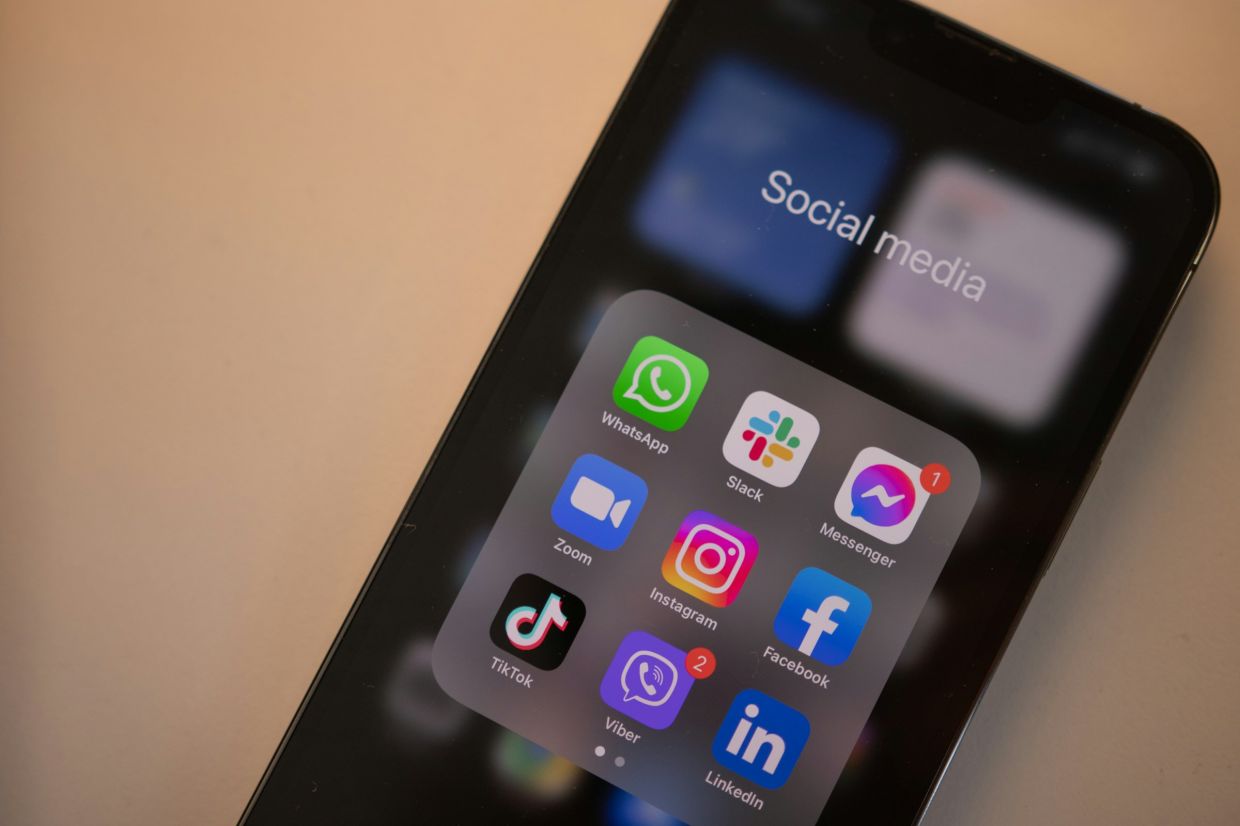
France's Constitutional Council has delivered a significant setback to one of President Emmanuel Macron's flagship digital safety initiatives, striking down provisions of a proposed social media ban for children under 15. The court determined that the restrictions "disproportionately infringe freedom of expression and communication" and failed to establish sufficient legal protections for constitutional rights, according to the council's formal judgment. The ruling throws into question a measure that Macron had championed as essential legislation to shield young people from the documented harms of digital platforms.
The ban, passed by both chambers of the French Parliament last month, made France the first European Union nation to adopt such sweeping restrictions on social media access for minors. The legislative package encompassed not only the social media provisions but also regulations limiting mobile phone use within secondary schools. Lawmakers had supported the initiative with substantial majorities, reflecting broad political consensus on the need to address growing concerns about how digital content affects child development and wellbeing. The timing was strategically important, as Macron's administration sought to implement the ban before the September school year—a symbolic gesture emphasizing the law's relevance to educational institutions.
This constitutional challenge represents a pivotal moment in Europe's ongoing struggle to balance child protection with fundamental rights. While several nations have introduced age restrictions for social media and debated bans, France's attempt at a blanket prohibition marked an unusually comprehensive approach. The Constitutional Council's intervention signals that even well-intentioned legislation designed to safeguard minors must navigate the complex terrain of constitutional law and cannot simply override established freedoms without sophisticated legal mechanisms. The court's reasoning suggests that a blanket prohibition lacks the precision required to distinguish between genuinely harmful content and the legitimate exercise of communicative rights by young people.
Macron has not abandoned the objective, however. In response to the decision, the President declared his unwavering commitment to seeing a revised ban implemented by spring 2025, before his current term concludes. He has tasked Prime Minister Sébastien Lecornu with developing a legally defensible framework that satisfies the Constitutional Council's concerns while remaining compatible with broader European legal standards. This directive places significant pressure on the government to craft nuanced legislation that can survive constitutional scrutiny—a demanding task given the court's evident concerns about overreach.
The challenge ahead requires the government and Parliament to devise mechanisms that achieve the protection objective without the sweeping character that triggered the court's rejection. This might involve narrower targeting of specific platforms or content categories, enhanced parental consent procedures, or age-verification systems that provide families with genuine choice rather than outright prohibition. European Union regulatory frameworks, particularly the Digital Services Act, establish certain baseline protections for minors online, and any French legislation must operate within these constraints. The government's need to navigate both constitutional and European legal requirements adds layers of complexity to the legislative redesign.
For Malaysian policymakers and those across Southeast Asia, the French experience offers instructive lessons about the constitutional and legal limits of digital protection measures. Many regional governments have similarly grappled with child safety concerns and the potential harms of unrestricted social media access among young people. The French case demonstrates that even democracies with strong regulatory traditions cannot simply impose categorical bans without establishing robust legal underpinnings and demonstrating proportionality between the measure and the objective. This insight proves particularly relevant in Asia, where several nations have contemplated or implemented various restrictions on digital platforms.
The mobile phone restrictions in secondary schools, which formed part of the broader package, may face less constitutional vulnerability since they target institutional spaces with established authority to regulate device use. Schools have traditionally possessed discretionary power to manage classroom environments and learning conditions. However, if implemented as part of legislation, such provisions would similarly require constitutional grounding. The French situation illustrates how digital regulation increasingly intersects with fundamental rights frameworks, requiring governments to build sophisticated legal arguments rather than relying on intuitive public health or safety rationales.
The court's decision also underscores the growing international tension between child protection imperatives and data protection, freedom of expression, and developmental autonomy rights. Researchers increasingly recognize that adolescent development involves appropriate exposure to communication and information, even when curated by algorithms. While excessive social media use correlates with mental health concerns, particularly among girls, outright bans raise questions about who determines appropriate access and whether young people's communicative autonomy merits constitutional protection. The Constitutional Council apparently weighed these considerations and determined that the legislation insufficiently addressed them.
Lecornu and his colleagues face a tight timeline to deliver revised proposals satisfying both the council and Parliament before the presidential term ends. The government must essentially prove that a modified approach can achieve child protection objectives without the constitutional vulnerabilities that derailed the original legislation. This may require explicit safeguarding mechanisms, clearer definitions of prohibited content, transparency requirements for platforms, or graduated restrictions based on age or content type. The process will likely involve extensive consultation with digital rights advocates, child protection experts, constitutional scholars, and European regulatory bodies to ensure any new proposal withstands legal challenge.
The ultimate significance of this ruling extends beyond France's borders. As governments worldwide seek to regulate social media's impact on young people, the Constitutional Council's message carries weight: protection measures must respect fundamental rights while pursuing legitimate objectives. This principle—that the means cannot be entirely disproportionate to the ends—increasingly shapes digital policy across developed democracies. For France specifically, it means the spring deadline for presenting a constitutionally viable alternative has become the central political test of whether protecting children and preserving freedom can coexist in sophisticated legislation.

