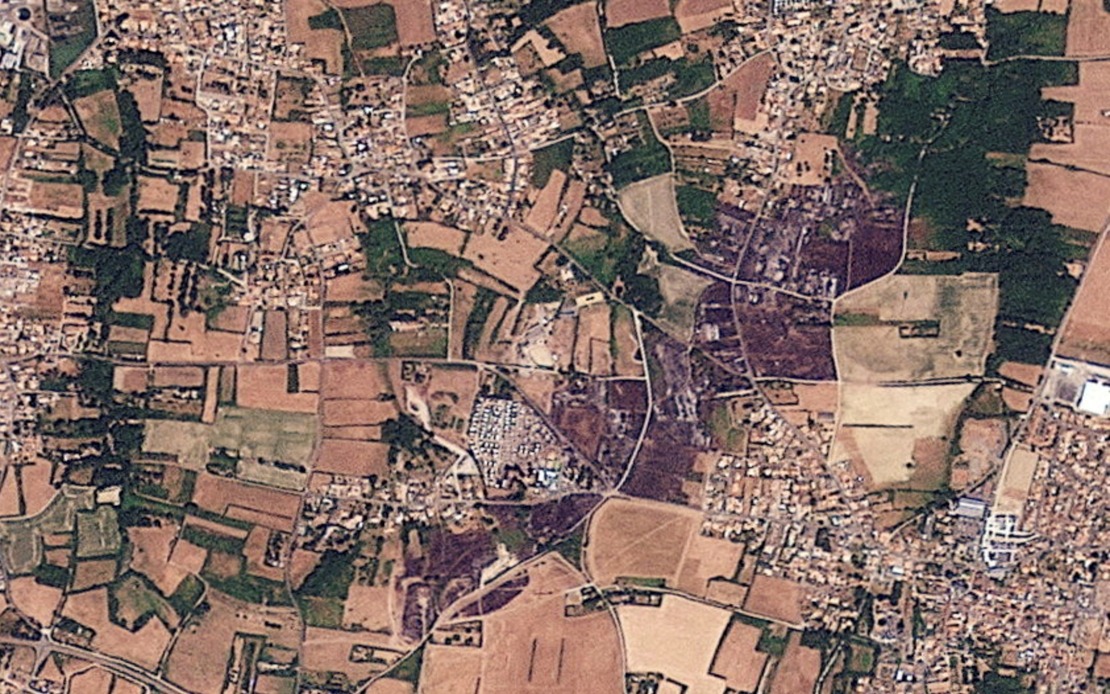
France is grappling with an escalating wildfire crisis as two major blazes continue their destructive path through the Fontainebleau forest, consuming vast swathes of woodland and forcing a significant emergency response. The situation underscores the mounting challenges authorities face each summer in containing fires that destroy critical ecosystems and disrupt vital infrastructure across the country.
The dual fires ravaging Fontainebleau have together charred 1,920 hectares of forest, with the first outbreak that ignited on Sunday accounting for approximately 1,500 hectares of devastation. The second fire has destroyed between 300 and 400 hectares, demonstrating the speed at which wildfires can expand when conditions favour rapid spread. Despite the scale of the destruction, approximately 600 firefighters have remained stationed at the scene around the clock, conducting ongoing containment and suppression operations to prevent further territorial losses.
Investigations have yielded swift results, with French authorities apprehending two individuals suspected of deliberately igniting the initial Fontainebleau fire. This development has reignited political discourse surrounding criminal penalties for arsonists. Transport Minister Philippe Tabarot has publicly demanded stringent sentencing for those convicted of intentionally starting wildfires, arguing that the severity of consequences must match the gravity of the crime. His statement reflects growing frustration within government ranks over what officials perceive as inadequate deterrents against deliberately triggered blazes.
Tabarot's remarks reveal a nuanced policy approach, distinguishing between criminal intent and psychological pathology. He contended that convicted arsonists should receive severe penal sentences, while individuals suffering from pyromania—a compulsive disorder—should be directed toward psychiatric intervention rather than purely punitive measures. This distinction reflects broader legal and medical frameworks that recognise the difference between criminality and mental illness, though implementing such distinctions in practice presents considerable challenges for the judicial system.
The broader arson problem across France has reached alarming proportions, with authorities disclosing that 59 individuals have faced arrest since the commencement of the fire season on suspicion of intentionally setting wildfires nationwide. This statistic indicates a systematic problem extending well beyond the Fontainebleau incidents, suggesting that deliberate fire-setting represents a significant component of France's wildfire burden during peak summer months. The arrests span multiple regions, indicating that the issue is geographically dispersed rather than concentrated in isolated areas.
Beyond the Fontainebleau situation, French firefighters are simultaneously combating multiple additional fire outbreaks across the country. In Brittany's Côtes-d'Armor department, a heath fire erupted near Cap Fréhel, forcing emergency evacuations of more than 100 residents on Monday and consuming approximately 38 hectares before containment efforts slowed its advance. The situation demonstrated the unpredictable nature of wildfires and their capacity to threaten populated areas with minimal warning, necessitating rapid civilian mobilisation and emergency coordination.
The Lozère region has also suffered significant damage, with authorities reporting that 107 hectares of land have been consumed by fire in that department. These simultaneous incidents across geographically separated regions illustrate the systemic nature of France's summer fire challenges, which strain emergency resources and force difficult decisions about resource allocation between competing fire fronts.
Railway infrastructure has emerged as an unexpected casualty of the wildfire season. The Trevillach fire that erupted earlier in July in the Pyrenees-Orientales region has caused sustained damage to railway installations serving the Perpignan-Villefranche-Vernet-les-Bains corridor. National railway operator SNCF has announced that train services between Ille-sur-Tet and Villefranche-Vernet-les-Bains will remain suspended until at least July 20, disrupting passenger and freight movements and highlighting how wildfires create cascading economic and logistical consequences beyond direct ecological damage.
The situation reflects a pattern increasingly familiar to Mediterranean and southern European nations, where summer heat and drought conditions create ideal circumstances for rapid fire propagation. For Malaysian and Southeast Asian observers, these European crises offer instructive lessons in preparedness, inter-agency coordination, and the consequences of inadequate fire prevention strategies. While Malaysia faces distinct wildfire risks emanating primarily from land-clearing and agricultural practices rather than arson, the French experience underscores the importance of robust enforcement mechanisms and adequate resource allocation to firefighting services.
The French government's response demonstrates how wildfire management extends beyond simply deploying personnel and equipment—it requires integrated approaches addressing prevention, rapid response, infrastructure protection, and appropriate judicial consequences for offenders. The arrests of suspected arsonists indicate that investigative capacity remains functional, yet the continued stream of new fire incidents suggests that deterrence mechanisms may require strengthening to effectively discourage intentional fire-setting behaviour.
Looking forward, France faces the challenge of sustaining emergency operations across multiple fire fronts while simultaneously pursuing legal accountability measures. The concentration of fires during summer months suggests that seasonal variation in resource availability and staffing deserves examination by authorities planning fire management budgets. For regional policymakers, the French situation illustrates that wildfire management cannot be treated as a residual concern addressed only when crises materialise, but rather requires year-round strategic planning, equipment maintenance, and investigation capabilities to respond effectively when disaster strikes.

