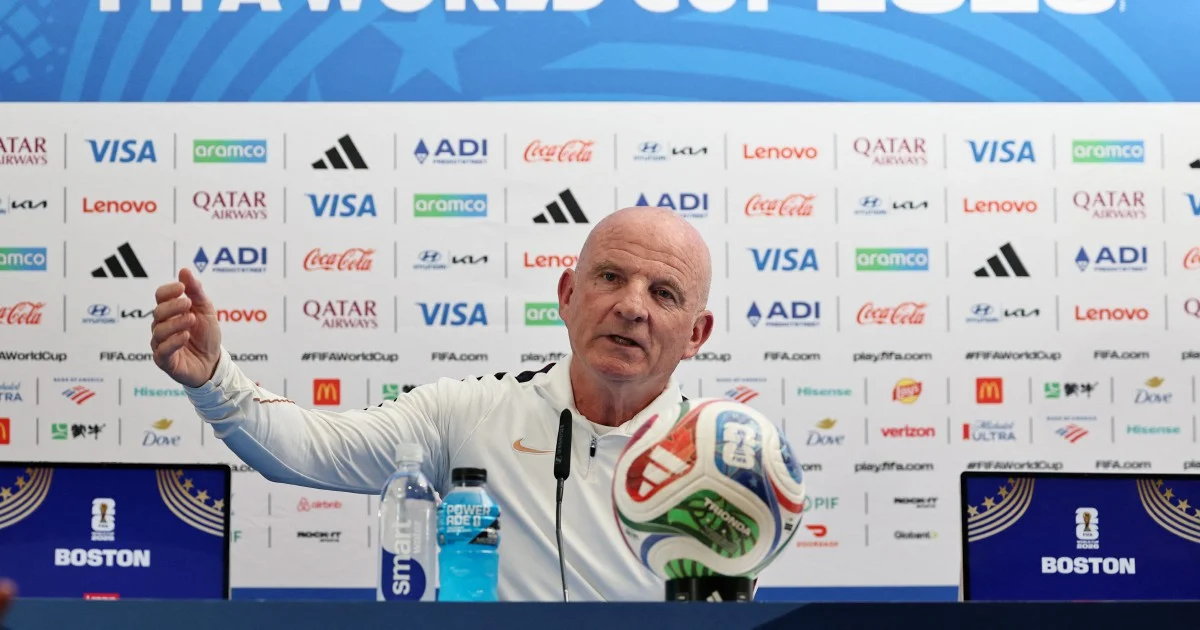
France will pursue the top position in their World Cup Group I when facing Norway on Friday, with assistant coach Guy Stephan stressing the substantial logistical advantages of finishing first. Speaking on Thursday while World Cup-winning manager Didier Deschamps was attending his mother's funeral in France, Stephan underscored how crucial group position has become not merely for competition purposes, but for the practical realities of tournament management across a sprawling host nation.
Both sides have already secured their passage to the knockout stage following successful starts to their campaign, having accumulated six points apiece from their opening two matches. The qualification mathematics favour France marginally, as they can confirm first place with merely a draw against Norway at the New England Patriots' stadium outside Boston, given their superior goal difference in the competition thus far. This scenario offers them significant advantages in determining their quarterfinal venue and travel schedule moving forward.
The logistics of hosting a World Cup across North America present unique challenges entirely different from European tournaments. Stephan explained that topping the group would permit France to remain based in the Northeastern United States through the quarterfinal stage, maintaining continuity in their operations and minimizing the cumulative fatigue of frequent relocation. By contrast, any team finishing second would face the prospect of long-distance journeys across multiple time zones to cities including Dallas, Miami, and Atlanta, introducing additional variables that could compromise preparation and player recovery.
Beyond mere distance considerations, climatic differences across the United States create substantial complications for visiting teams. Stephan noted that temperature variations between Boston and potential second-place destinations represent a significant factor in team management and tactical preparation. The subtropical conditions of Miami or the heat of Dallas during this competition phase require distinct hydration protocols and training adjustments compared to the more temperate conditions of the Boston area. Accumulating these adjustments while managing travel would compound the challenge considerably.
Deschamps' temporary absence due to his family obligations has left Stephan in temporary command of strategic decision-making, though the 54-year-old emphasized that communication between the two coaching staff members remains constant. Stephan clarified that while he and Deschamps maintain regular telephone contact, Friday's funeral would likely preclude meaningful discussion, with the head coach understandably unable to focus on tactical matters during a significant personal moment. This coordination challenge mirrors the kind of logistical complexity that Stephan was simultaneously addressing in his press conference.
French preparations for the Norway encounter have been complicated by injury concerns affecting key personnel. Central defender William Saliba will be unavailable for selection due to injury, while striker Marcus Thuram is managing calf pain that may influence his availability or conditioning during the match. These absences could force tactical adjustments, particularly given Saliba's role in the defensive structure that has enabled France's strong qualifying performance to date.
The achievement of securing six points after two matches represents a notable milestone that reflects both the consistency of France's performance and the strength of their group. Stephan emphasized that such early qualification is uncommon at this level of competition, suggesting that the 2018 champions have executed their initial strategy effectively. The opportunity to build upon this foundation with a positive result against an equally in-form opponent carries implications extending well beyond the immediate three points at stake.
Norway's presence as an equally formidable opponent in this fixture means France cannot approach Friday's match with complacency despite their qualification being assured. The Scandinavian team's own perfect record in Group I indicates they possess similar ambitions to avoid the complications of secondary positioning and extended North American travel. This convergence of interests between the two sides creates the possibility of an intensely contested match where both teams have genuine motivation beyond the minimum requirements of qualification.
For Malaysian and Southeast Asian observers of this World Cup, the tournament's North American setting has introduced unprecedented logistical variables that differ markedly from previous iterations held in Europe or Asia. The scale of distances and climate variations across the continental United States demonstrate how hosting considerations can substantially influence competitive outcomes beyond the pitch itself. France's strategic focus on group position illustrates how modern tournament football requires teams to balance immediate competitive objectives with longer-term physical and psychological preparation across the tournament cycle.
The broader implications of this match extend to the tournament structure's impact on Asian and other teams competing at this level. Teams originating from regions accustomed to different climatic and temporal conditions face distinct challenges when competing across such vast geographic areas. France's calculated approach to positioning themselves optimally demonstrates how elite programs incorporate logistical planning into their competitive strategy, a lesson relevant to any nation developing World Cup preparations for future tournaments hosting similar geographic complexities.

