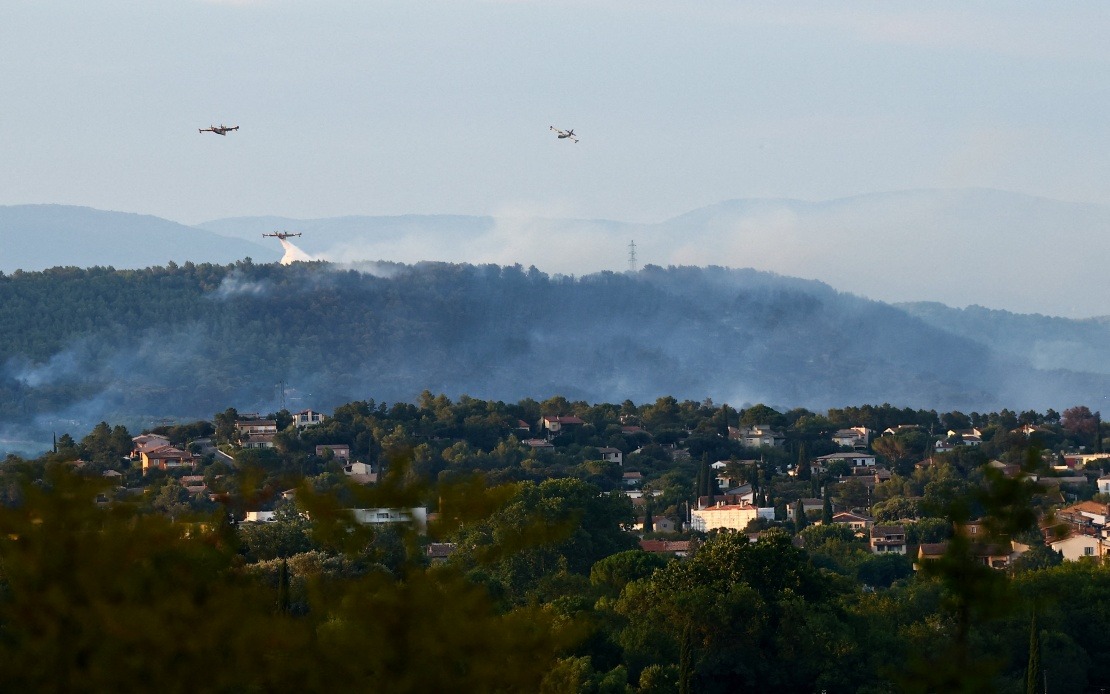
France is confronting an environmental catastrophe of historic proportions as wildfires consume vast swathes of forest and vegetation across the nation. Interior Minister Laurent Nunez disclosed on Monday that almost 40,000 hectares have been burnt since the beginning of 2026, a figure that underscores the severity of the ongoing crisis and marks a dramatic escalation compared to previous years. The sheer scale of destruction represents not merely a single disaster but a pattern of sustained environmental emergency that continues to worsen with each passing week.
The figures released by Nunez paint a troubling picture when measured against historical records. The destruction far exceeds what France experienced in the previous year, indicating both an acceleration in fire frequency and intensity. What distinguishes this year from past campaigns is the relentless nature of the blazes—new fires emerge daily across different regions, preventing firefighting resources from being concentrated on single fronts and forcing emergency services to operate in perpetual crisis mode. This continuous cycle of combustion suggests that underlying conditions remain dangerously primed for further conflagrations.
The root cause animating this environmental emergency is an exceptional heat wave that has gripped France with unprecedented intensity. Temperatures have approached 40 degrees Celsius across much of the country, with several regions recording even more extreme readings. Such extreme conditions create the perfect tinder for rapid fire spread, as vegetation becomes extraordinarily dry and atmospheric conditions amplify the energy available for combustion. The combination of high temperatures, low humidity, and potentially strong winds has transformed ordinary woodland into tinderboxes where even minor ignition sources can trigger major incidents.
The scale of the meteorological emergency became apparent in late June when France's meteorological service issued weather warnings across 72 of the nation's 96 departments. This represented the highest number of simultaneous weather alerts ever recorded in French history, a stark indicator of the exceptional nature of the conditions being experienced. Such widespread warnings signal not localized phenomena but systemic atmospheric disruption affecting the vast majority of the country simultaneously. The breadth of these warnings underscores how comprehensively the heat wave has engulfed French territory.
French President Emmanuel Macron has characterized the current wildfire situation as the worst experienced since the end of World War II, a designation that carries substantial historical weight. Such a declaration from the nation's chief executive reflects the gravity with which French authorities regard the unfolding crisis and signals the need for coordinated national response at the highest level of government. The comparison to the post-1945 period establishes this moment as genuinely unprecedented within living memory for contemporary French institutions and citizens.
The implications of this environmental crisis extend far beyond immediate property damage and ecological destruction. The loss of nearly 40,000 hectares of forest represents a substantial diminution of carbon-absorbing capacity at precisely the moment when climate considerations weigh heavily on European policy discourse. These forests will require decades to recover, if recovery proves complete, and the ecological disruption cascades through food chains and habitat systems. Species dependent on specific forest types face displacement or extinction, and soil degradation from intense heat may impair future regeneration prospects.
For Malaysia and Southeast Asia, the French wildfire crisis carries important cautionary implications. The region experiences its own fire challenges, particularly during dry seasons when land-clearing practices in Indonesia and other nations ignite massive peatland and forest fires. While the mechanisms differ from European heat waves, the fundamental vulnerability of tropical and subtropical vegetation to catastrophic burning remains constant. The French experience demonstrates how quickly environmental conditions can degrade into crisis scenarios and underscores the importance of proactive fire prevention, rapid response capability, and long-term forest management strategies.
The economic dimensions of the French disaster merit serious consideration. Suppressing massive wildfire campaigns demands enormous resource allocation—specialized aircraft, ground crews, coordination infrastructure, and logistics support. These expenditures divert budgets from other priorities and impose substantial costs on national governments and local authorities. Insurance claims for property damage and agricultural losses compound these fiscal pressures. Southeast Asian economies reliant on forest products and agriculture face similar vulnerability to such economic disruption should comparable fire crises emerge.
The political ramifications in France will likely shape climate and environmental policy discourse throughout the coming months and years. The visible, immediate consequences of extreme heat will inform public opinion regarding climate action and environmental protection. Citizens experiencing unprecedented fire seasons become more receptive to policy proposals emphasizing climate mitigation and adaptation. How French leadership responds to this moment—through investment in fire prevention infrastructure, forest management protocols, or climate commitments—will establish precedents that other European nations and international actors will scrutinize closely.
Looking forward, the continuation of daily new fires suggests that the peak of the 2026 season may not yet have arrived. If current trends persist, the final tally of burnt hectares could substantially exceed 40,000, making recovery and regeneration efforts even more demanding. The capacity of French emergency services faces genuine strain, and mutual aid requests to neighboring European nations may become necessary if conditions further deteriorate. The crisis underscores the interconnected nature of environmental challenges and the speed with which local weather phenomena can escalate into national emergencies requiring coordinated governmental response.

