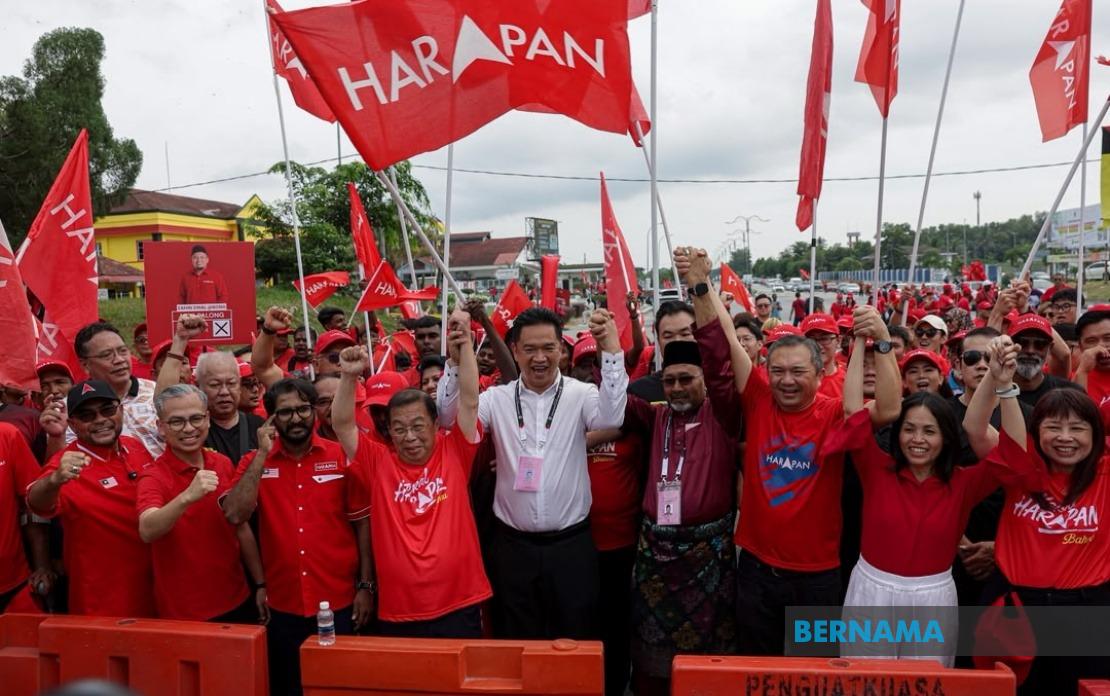
A distinctive four-cornered contest has emerged in Jeram Padang, marking it as the sole seat in the Jempol state constituency to feature such a crowded field during the 16th Negeri Sembilan State Election. This unusual configuration highlights the fragmented political landscape characterising the upcoming polls, as returning officer Amino Agos Suyub confirmed following nomination proceedings at the Jempol District and Land Office Hall this morning. The complexity of this particular race contrasts with contests elsewhere in Jempol, where voters will face either three-way or straight fights, suggesting diverse political dynamics across the region.
The Jeram Padang battleground brings together four distinct political forces and demographics. G. Manivannan represents Pakatan Harapan's challenge to the incumbent order, while Datuk Mohd Zaidy Abdul Kadir of Barisan Nasional seeks to retain his seat despite declining traditional support in many constituencies. The inclusion of R. Sri Sanjeevan from Parti Pribumi Bersatu Malaysia signals the continued attempts by Bersatu to establish itself as a credible alternative. Most notably, Dayana Dal of Parti Orang Asli Malaysia stands as the solitary Orang Asli candidate running in any state election contest during this cycle, bringing indigenous representation to the forefront and potentially reshaping the seat's electoral mathematics.
The nomination process itself unfolded in rapid succession, with candidates filing their papers within minutes of one another. Sri Sanjeevan and Dayana Dal submitted nomination documents at 9.09 am and 9.12 am respectively, followed closely by Manivannan at 9.17 am with support from PH Communications director Datuk Seri Fahmi Fadzil, signalling the coalition's commitment to the contest. Mohd Zaidy completed the quartet with his submission at 9.20 am, establishing the final lineup that will contest the seat. This concentrated timeframe demonstrates the coordinated nature of nomination procedures across all four camps.
Serting constituency presents a different competitive landscape with its three-way contest. PH candidate Yaacob Mahmood will challenge incumbent Mohd Fairuz Mohd Isa of Perikatan Nasional, alongside Muhammad Noraffendy Mohd Salleh, also known as Affendy Salleh, representing Bersatu. The presence of PN as the incumbent in this seat distinguishes Serting from broader patterns observed elsewhere in Negeri Sembilan, where Barisan Nasional has traditionally held dominance. This configuration suggests PN's earlier electoral breakthroughs in the state may face challenges from multiple fronts.
Palong's three-cornered battle similarly reflects the splintering of electoral support across the state. Incumbent Datuk Mustapha Nagoor of Barisan Nasional confronts Muhammad Zahin Zinal Abidin representing Pakatan Harapan, while Rebin Birham carries the Bersatu standard. Mustapha Nagoor's tenure as the sitting representative does not guarantee his retention, particularly given the competitive pressure from both a strengthened opposition and an assertive splinter political force. The dynamic here mirrors broader Malaysian electoral patterns where incumbency provides diminishing electoral insurance.
In contrast, Bahau presents a stark simplification of electoral choice through its straight fight. Incumbent Teo Kok Seong of DAP, representing Pakatan Harapan's interest, faces MCA's Chong Fui Ming, the Barisan Nasional candidate. This binary contest represents the clearest ideological divide available to voters within Jempol constituency, pitting the established partnership between DAP and Pakatan Harapan against Barisan Nasional's traditional coalition. The absence of a third force suggests either consolidated opposition support or reduced political space for alternative parties in this particular seat.
The electoral commission has structured the Negeri Sembilan state election timeline around two key dates, providing voters with early voting opportunities and a consolidated polling day. Early voting has been scheduled for July 28, allowing those unable to vote on the main election day to participate earlier. The primary polling day falls on August 1, giving voters slightly more than a fortnight from nomination closure to prepare for their electoral decision. This timeline compresses the campaigning period, forcing candidates and parties to maximise their messaging efficiency.
The Jeram Padang four-way contest carries particular significance for understanding contemporary Malaysian electoral dynamics. The emergence of an Orang Asli candidate as a serious contender reflects growing recognition of indigenous representation as an electoral consideration, even if such candidates remain rare. This development occurs amid broader questions about minority representation in state politics and whether indigenous communities will increasingly seek dedicated political voices. The Orang Asli perspective on development, land rights, and community welfare may resonate differently with voters than conventional party platforms.
Bersatu's presence across multiple Jempol seats underscores its strategic commitment to establishing ground in Negeri Sembilan despite limited legislative representation at federal level. By contesting multiple seats simultaneously, the party attempts to build momentum and test organisational capacity. However, the party's inability to retain incumbency or emerge as the primary opposition in most seats suggests its penetration remains limited to specific constituencies. The party's performance in Jempol will provide indicators of whether it can develop sustainable electoral support in peninsular heartland constituencies.
The overall composition of contests within Jempol reflects the broader political realignment reshaping Malaysian state politics. The presence of Pakatan Harapan, Barisan Nasional, Perikatan Nasional, and Bersatu across different seats indicates no single force has achieved political dominance sufficient to eliminate meaningful competition. This fragmentation potentially benefits smaller parties and independent voices while complicating government formation calculations. For the Negeri Sembilan voter, these contests present both expanded choice and increased complexity in evaluating political alternatives.

