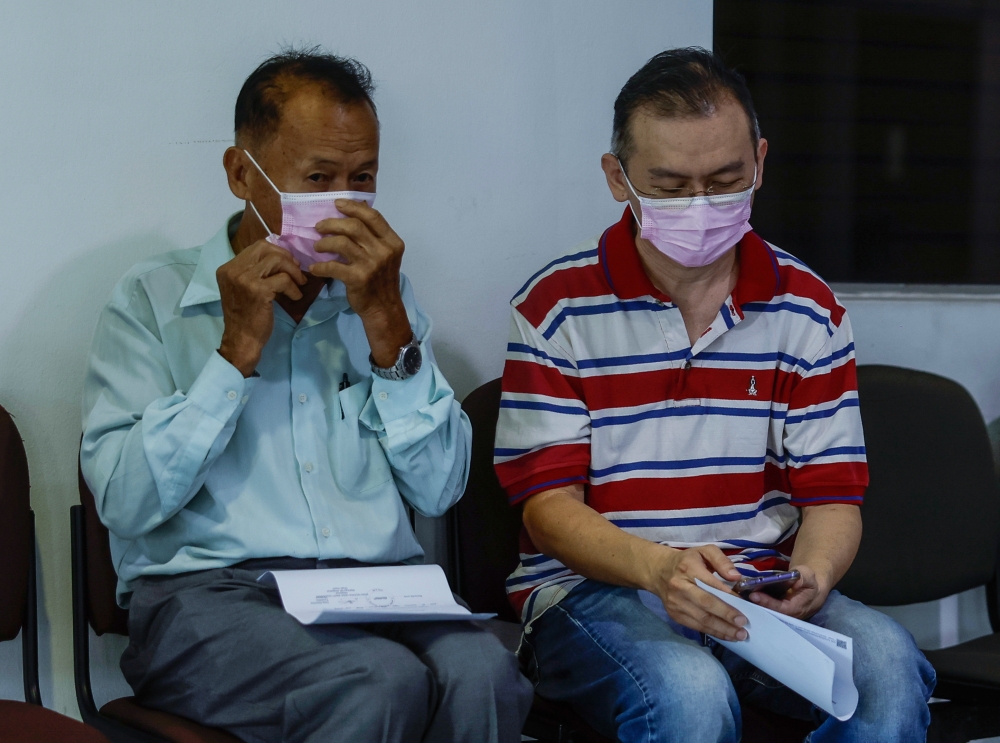
Four individuals appeared before Shah Alam Sessions Court on August 7 facing charges connected to fraudulent submissions under Malaysia's Perkeso Daya Kerjaya 2.0 programme, an employment assistance initiative designed to support workers and job seekers. The case represents an ongoing enforcement effort to combat misuse of government employment support schemes, which have become increasingly attractive targets for fraud as agencies expand relief measures across the workforce.
The Perkeso Daya Kerjaya 2.0 programme operates as a key component of Malaysia's employment support infrastructure, administered by the Social Security Organisation (Perkeso). The initiative provides various benefits and assistance to eligible workers and those seeking employment, functioning as a safety net during economic transitions and personal hardship. Fraudulent claims undermine the programme's legitimacy and divert resources from genuinely disadvantaged individuals who depend on such assistance for survival and reintegration into the labour market.
False statements in benefit applications represent a serious breach of trust within social security systems. Such conduct typically involves misrepresenting eligibility criteria, concealing income or employment status, or fabricating circumstances to qualify for benefits and financial aid. In Malaysia's context, where social programmes serve as critical buffers for vulnerable populations, maintaining integrity becomes essential to programme sustainability and public confidence in government institutions.
The decision to prosecute these cases signals Perkeso's commitment to investigating and prosecuting suspected fraud rather than allowing such matters to pass undetected. Government agencies across Malaysia have increasingly prioritised compliance monitoring and enforcement as application volumes have surged. The shift reflects mounting pressure to demonstrate accountability in benefit distribution, particularly when public budgets face competing demands for healthcare, education, and infrastructure development.
Fraud within employment assistance schemes carries several ripple effects throughout Malaysia's economic ecosystem. When limited resources are diverted to ineligible recipients, genuine workers facing displacement or unemployment find reduced support availability. Additionally, discovered fraud cases erode employer confidence in government-backed programmes and may discourage legitimate applications from workers who fear guilty-by-association stigma. This dynamic becomes particularly problematic during economic downturns when programme demand typically spikes.
The enforcement action also reflects broader challenges facing Southeast Asian nations managing rapid digital expansion of social programmes. As application systems move online to improve accessibility and efficiency, they simultaneously create novel fraud vectors. Criminals exploit digital gaps, obtain false documentation, or manipulate identity verification processes more readily than traditional paper-based systems allowed. Malaysia's law enforcement and Perkeso officials must continuously adapt detection methods to match evolving fraud techniques, creating an ongoing resource challenge.
Regional context matters significantly here. Neighbouring countries including Thailand and Indonesia have grappled with similar programme fraud issues as they expanded social safety nets. Information sharing among ASEAN employment agencies and cross-border verification protocols remain underdeveloped, potentially allowing sophisticated fraudsters to exploit gaps between national systems. Malaysia's enforcement actions contribute to establishing regional standards and deterrence patterns that may influence how other countries approach comparable challenges.
The charges also illuminate persistent debates about programme design and accessibility. Overly restrictive verification processes might prevent legitimate beneficiaries from accessing assistance they genuinely need, particularly among informal sector workers and self-employed individuals who struggle to provide conventional documentation. Conversely, streamlined systems designed for accessibility create openings for deliberate deception. Perkeso must continuously calibrate this balance, informed by enforcement data revealing how fraudsters exploit particular loopholes.
Stakeholder confidence in employment assistance schemes depends substantially on visible enforcement against bad actors. When government agencies demonstrate serious consequences for fraudulent applications, legitimate applicants feel reassured that their honest participation occurs within a fair system. Conversely, perceived laxity regarding fraud investigations might encourage marginal applicants to submit questionable claims, gradually normalising dishonesty within programme cultures. The prosecution decision therefore serves important signalling functions beyond the individual cases.
Looking forward, these cases likely prompt Perkeso to review application verification procedures, cross-reference systems with other agencies, and potentially implement enhanced documentation requirements. Such measures carry costs—they increase administrative burden, slow processing times, and potentially exclude some eligible applicants lacking sophisticated recordkeeping. The enforcement-versus-accessibility tension will intensify as Malaysia seeks to expand employment support while maintaining fiscal responsibility during uncertain economic conditions.
For Malaysian workers and job seekers, these prosecutions carry contradictory messages. On one hand, they demonstrate that fraudulent applications face serious legal consequences, protecting scheme integrity. On the other hand, workers may feel concerned that legitimate applications might face heightened scrutiny and skepticism. Government communicators must clearly distinguish between normal application verification and fraud investigation to maintain programme credibility among eligible populations who increasingly rely on such assistance as economic volatility affects employment stability across multiple sectors.

