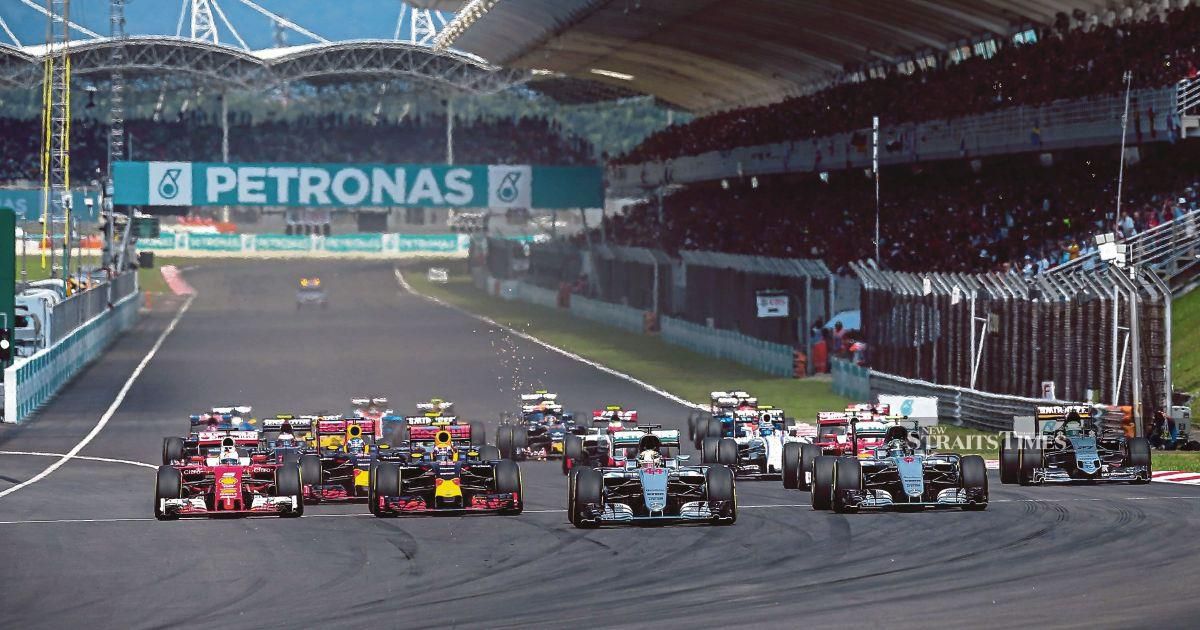
Prime Minister Datuk Seri Anwar Ibrahim has announced a new ticket initiative designed to broaden access to Formula 1 racing for ordinary Malaysians when the prestigious championship returns to Sepang International Circuit (SIC) in October. The Madani tickets, priced from RM200, represent a significant reduction from standard race-day admission, reflecting the government's commitment to democratising access to major international sporting events. This move underscores efforts to ensure that the world-class motorsport spectacle, which commands global attention and massive viewership, remains within reach for local fans rather than exclusively catering to wealthy overseas visitors and premium-ticket holders.
The Sepang International Circuit has long served as Malaysia's flagship motorsports venue, hosting Formula 1 races since 1999 and establishing itself as one of Asia's premier racing destinations. The circuit's return to the F1 calendar comes after several years of absence, marking a significant milestone for Malaysian motorsports and the nation's sporting infrastructure. Sepang's track design, with its combination of high-speed straights and technical corners, has consistently produced thrilling races that demonstrate the venue's world-class standards. The return demonstrates renewed confidence in Malaysia's capacity to host major international events and reflects the growing momentum in the country's sports tourism sector.
The RM200 price point for Madani tickets targets a critical demographic of passionate racing fans who may have previously found standard Formula 1 ticket prices prohibitively expensive. Typical F1 grand prix tickets globally range considerably higher, making this initiative particularly noteworthy in the Southeast Asian context where median household incomes require careful spending prioritization. By introducing an affordable tier, organisers acknowledge that genuine motorsport enthusiasm often exists across all income levels, and that passionate fans deserve the opportunity to witness their favourite sport live rather than remaining confined to television broadcasts. This approach also recognises the important role Malaysian spectators play in creating the vibrant atmosphere that enhances the racing experience for participants and viewers alike.
The timing of the announcement carries strategic significance for Malaysia's broader economic agenda. The Madani initiative aligns with the government's wider philosophy emphasising equitable access to national opportunities and shared prosperity. By framing Formula 1 attendance as an accessible experience rather than an exclusive luxury, policymakers signal that major international events should deliver tangible benefits to ordinary citizens rather than primarily enriching corporate hospitality packages. This perspective resonates with voters and reflects government priorities that extend beyond elite circles to encompass middle-income and working-class Malaysians who form the electoral and demographic core of the nation.
From a tourism and economic standpoint, the Sepang F1 race represents a substantial opportunity to generate revenue and international visibility for Malaysia. The event typically attracts visitors from across the region and beyond, driving accommodation, dining, transportation, and retail spending throughout the Klang Valley and surrounding areas. When international visitors combine with large local attendance, the multiplier effects extend throughout the hospitality and service sectors. The availability of affordable tickets potentially increases total attendance figures, which maximises these economic benefits while creating more compelling broadcast content featuring enthusiastic Malaysian supporters. Strong local crowds enhance the event's profile and marketability for future editions.
The logistics of delivering the Madani ticket programme require coordination across multiple stakeholders including circuit management, government agencies, and ticketing platforms. Authorities must establish clear eligibility criteria, distribution mechanisms, and venue management protocols to ensure the scheme operates smoothly and fairly. The government's involvement suggests that subsidies may partially support the discounted pricing, reflecting a policy decision to invest public resources in enabling citizen participation in major events. Such investment represents a calculated choice to prioritise accessibility over maximising government revenue from ticket sales, indicating genuine commitment to the initiative's underlying principles.
For Malaysian motorsport enthusiasts, the announcement carries emotional and practical significance beyond mere ticket economics. Formula 1 represents the pinnacle of automotive engineering and competitive racing, combining cutting-edge technology with human skill at extraordinary levels. Many Malaysians harbour deep passion for the sport but rarely experience it firsthand due to cost barriers. The Madani ticket programme transforms Formula 1 from a distant spectacle consumed through screens into a tangible, lived experience featuring the sights, sounds, and vibrations of the world's fastest racing machines. This accessibility may inspire younger Malaysians to pursue careers in engineering, motorsports technology, and related fields, generating long-term benefits for national capability building.
The October timing positions the event during Malaysia's post-monsoon period, when weather conditions generally favour outdoor spectating and event logistics. The scheduling demonstrates careful consideration of practical factors affecting attendance and enjoyment. Promotional efforts coordinated with the Madani ticket announcement should emphasise the unique opportunity, potentially through social media campaigns targeting younger demographics, motorsport fan communities, and regional audiences in neighbouring countries. Early ticket releases for Madani allocations could build momentum and encourage advance planning among interested fans.
Looking forward, the Sepang F1 race and its affordable ticketing model may establish a precedent for future major sporting events in Malaysia and the region. By demonstrating that world-class international competitions can maintain commercial viability while ensuring broad-based domestic access, Malaysia positions itself as a progressive sporting nation valuing inclusive participation. The success of this initiative, measured through attendance figures, fan satisfaction, and economic impact, will inform decision-making for subsequent major events and potentially inspire similar approaches elsewhere in Southeast Asia.

