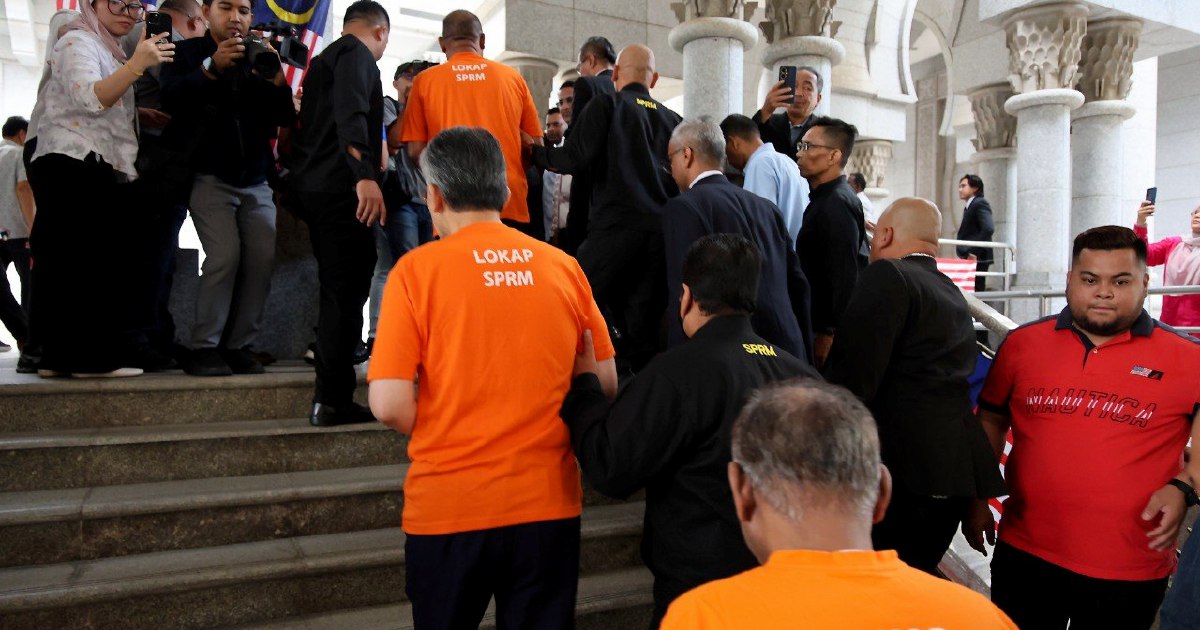
Two high-ranking former government officials arrived at Putrajaya magistrates' court on Monday for remand proceedings, marking a significant escalation in an ongoing investigation centred on Lembaga Tabung Haji, Malaysia's sovereign wealth fund managing billions in Muslim pilgrimage savings. The former TH chairman and the ex-Treasury secretary-general's appearance signals that investigative authorities are moving deeper into examining potential governance lapses and financial irregularities at the institution.
The remand hearing represents a critical juncture in what has become one of Malaysia's most closely watched financial investigations. By bringing these senior officials before a magistrate, authorities are seeking judicial permission to extend detention periods for further questioning—a standard procedural step indicating investigators believe they require additional time to pursue leads and secure statements. The involvement of both a former TH leadership figure and a Treasury department head suggests the investigation spans multiple institutional layers and governance frameworks.
Lembaga Tabung Haji's recent troubled history has become emblematic of governance concerns affecting Malaysia's state-linked institutions. The fund, which holds deposits from millions of Malaysian Muslims saving for hajj pilgrimages and representing accumulated wealth spanning generations, has faced mounting scrutiny regarding operational transparency and investment decision-making over the past several years. Previous public controversies surrounding the fund's management have eroded confidence among depositors who entrust their life savings to the organisation.
The appearance of a former Treasury secretary-general is particularly noteworthy, as it implicates oversight mechanisms that should function at the highest levels of Malaysia's financial administration. The Treasury secretary-general position represents one of the nation's most senior civil service roles, responsible for coordinating economic policy and monitoring state institutions' financial performance. Their involvement suggests investigators may be examining whether adequate supervisory frameworks existed or whether warning signals were overlooked at critical decision-making levels.
These remand proceedings occur against a backdrop of heightened public and political attention to how Malaysia manages major financial institutions. Governance failures at sovereign wealth funds and state-owned enterprises have become increasingly costly to the Malaysian economy, with several institutions requiring substantial public bail-outs or undergoing painful restructuring exercises. The investigative focus on TH reflects broader parliamentary and public demands for greater accountability in how senior officials and board members exercise fiduciary responsibilities.
The procedural details of remand hearings carry significant weight within Malaysia's legal system. Magistrates must balance investigative needs against individual rights protections, examining whether authorities have presented sufficient grounds justifying extended detention. These hearings are typically conducted with restricted public access, though information about charges and basic hearing outcomes becomes public record. The mere fact that authorities sought remand authority indicates investigators have identified specific lines of inquiry requiring sustained effort.
Industry observers note that investigating complex financial institutions requires extensive documentary review, witness interviews, and forensic accounting analysis—processes that legitimately demand substantial time. However, the political implications of detaining senior former officials create sensitivity that courts must navigate carefully. Malaysian courts have developed jurisprudence around balancing transparent justice processes with avoiding perceptions of politically-motivated prosecution, especially where prominent figures face questioning.
The TH investigation's progression carries implications extending beyond individual accountability. If widespread governance failures are substantiated, Malaysian policymakers may face pressure to implement structural reforms affecting how sovereign wealth funds operate, how boards are composed, and how Treasury oversight functions. Similar investigations globally often trigger regulatory adjustments designed to strengthen internal controls and independent monitoring mechanisms. Singapore's Government Investment Corporation and Indonesia's institutional refinements following governance questions offer regional precedents for reform trajectories.
For Malaysian depositors and their families, these proceedings carry profound personal significance. TH manages funds intended for one of Islam's five pillars—fulfilling the hajj obligation—making the institution uniquely positioned within Malaysia's financial and religious landscape. Erosion of institutional integrity directly affects millions of ordinary Malaysians' ability to plan major religious obligations with confidence. Restoring public trust requires demonstrable accountability and transparent corrective processes.
The investigation's prominence in Malaysian media reflects legitimate public interest in understanding how substantial financial assets accumulate under professional mismanagement. Opposition figures and civil society organisations have called for comprehensive institutional audits and reforms, framing the matter as essential to strengthening Malaysia's financial governance architecture. These calls suggest the TH investigation will likely extend beyond individual prosecutions toward systemic recommendations affecting state institution oversight frameworks.
As these proceedings unfold in Putrajaya's courts, observers across Malaysia's banking and corporate sectors are monitoring developments closely. The investigation's trajectory may establish precedents regarding how aggressively authorities will pursue former officials from major institutions, potentially influencing governance cultures within other state-linked entities. Whether these cases result in conviction, acquittal, or negotiated settlements, the investigation's visibility has already demonstrated that former prominence offers limited insulation from accountability mechanisms.

