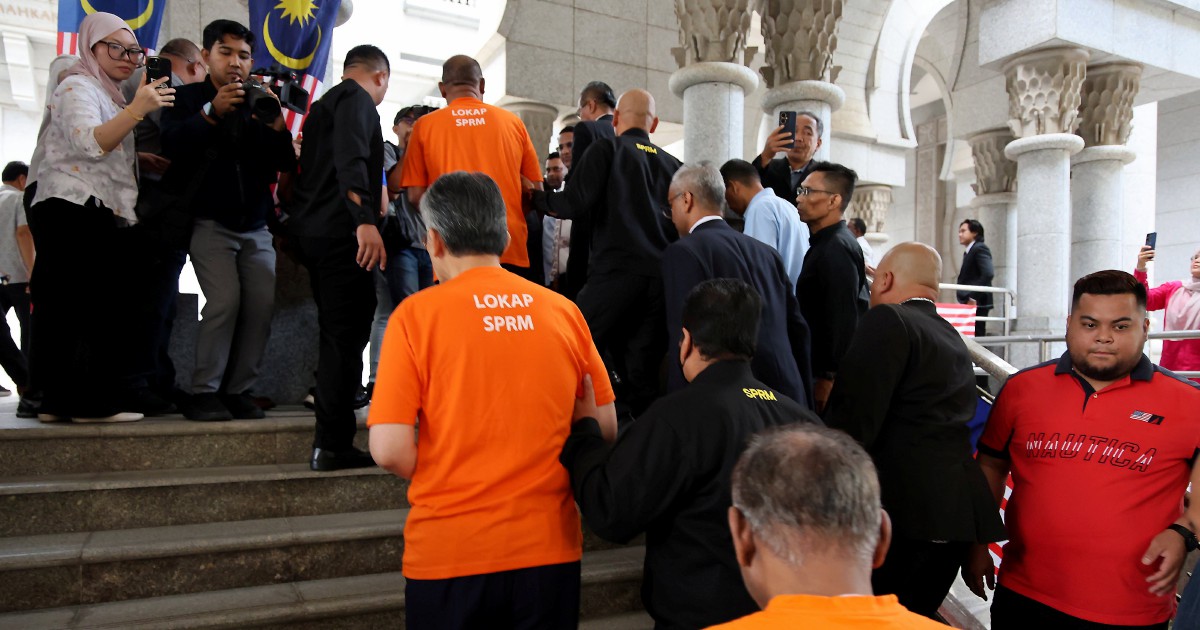
The Malaysian Anti-Corruption Commission obtained a four-day remand extension against a former chief executive officer of Tabung Haji in Putrajaya, signalling that the anti-corruption agency's investigation into the pilgrim fund continues to deepen. The development marks another phase in what has become an increasingly serious examination of the institution's governance and financial stewardship during the executive's tenure.
Tabung Haji, officially known as Lembaga Tabung Haji, serves as Malaysia's dedicated savings institution for Muslim pilgrims preparing for the Hajj pilgrimage to Mecca. The fund manages billions of ringgit in deposits from millions of Malaysian Muslims who have contributed over decades, making any corporate governance failures particularly sensitive given the religious and cultural significance of the savings they have entrusted to the institution.
The extended remand comes in the wake of a Royal Commission of Inquiry report that examined aspects of Tabung Haji's operations and management. Such commissions are typically established to investigate serious matters affecting public institutions, and their findings often trigger follow-up action by enforcement agencies like the MACC. The timing of the remand extension suggests investigators are actively pursuing leads uncovered during the RCI process and require additional time with the suspect to conduct thorough questioning.
Investigators working on major corporate governance cases typically seek remand extensions when they believe continued detention is necessary to establish the full scope of alleged wrongdoing, complete their questioning, or prevent potential obstruction of justice. The four-day extension indicates the MACC has presented sufficient grounds to a court for the suspect's continued custody, demonstrating judicial confidence in the investigation's direction.
The arrest of a former top executive signals that the investigation has moved beyond examining systemic failures or procedural lapses to targeting individual accountability. This represents a critical juncture for Malaysia's anti-corruption efforts, as holding senior figures responsible helps establish deterrence across Malaysia's corporate and institutional landscape.
For depositors in Tabung Haji, the investigation raises important questions about the security of their savings and the competence of current management to restore confidence in the institution. The fund has faced various challenges in recent years, and any findings of misconduct at the executive level could further complicate its efforts to rebuild credibility among Malaysia's Muslim community.
The investigation also carries implications for Malaysia's broader corporate governance framework. Financial institutions, particularly those handling public or religiously significant funds, face heightened scrutiny regarding transparency, internal controls, and executive accountability. The MACC's aggressive pursuit of this case demonstrates the agency's commitment to investigating high-level institutional corruption, a critical component of Malaysia's anti-graft strategy.
Regional observers closely monitor such investigations as they reflect the strength of Malaysia's institutional checks on corruption. Given Southeast Asia's broader challenges with governance and financial crime, high-profile cases like this one influence perceptions of Malaysia's regulatory environment and the reliability of its institutional safeguards.
The Royal Commission of Inquiry's role in triggering this investigation underscores the importance of independent fact-finding bodies in uncovering matters that subsequently warrant criminal investigation. The transition from administrative inquiry to criminal probe represents the normal escalation pathway when evidence suggests potential wrongdoing by identifiable individuals.
Moving forward, the outcome of the MACC investigation will likely influence the future direction of Tabung Haji's governance reforms. If the investigation substantiates allegations against the former executive, it may prompt more extensive internal reorganisation, enhanced compliance frameworks, and potentially broader systemic changes across the institution. These reforms would be essential for restoring depositor confidence and ensuring the fund can continue fulfilling its crucial role in Malaysia's Islamic financial architecture.
The extended remand allows investigators to pursue multiple lines of questioning, potentially examining financial transactions, decision-making processes, and documentation related to the former CEO's stewardship. Investigators may also seek to establish the scope of any alleged misconduct and identify whether other individuals at the institution were involved or complicit in questionable practices.
Ultimately, this case reflects Malaysia's continuing effort to strengthen institutional accountability and demonstrate that no individual, regardless of seniority, stands above scrutiny when evidence suggests they may have violated public trust. The investigation's progression will significantly impact public perception of both Tabung Haji and the MACC's investigative capabilities.

