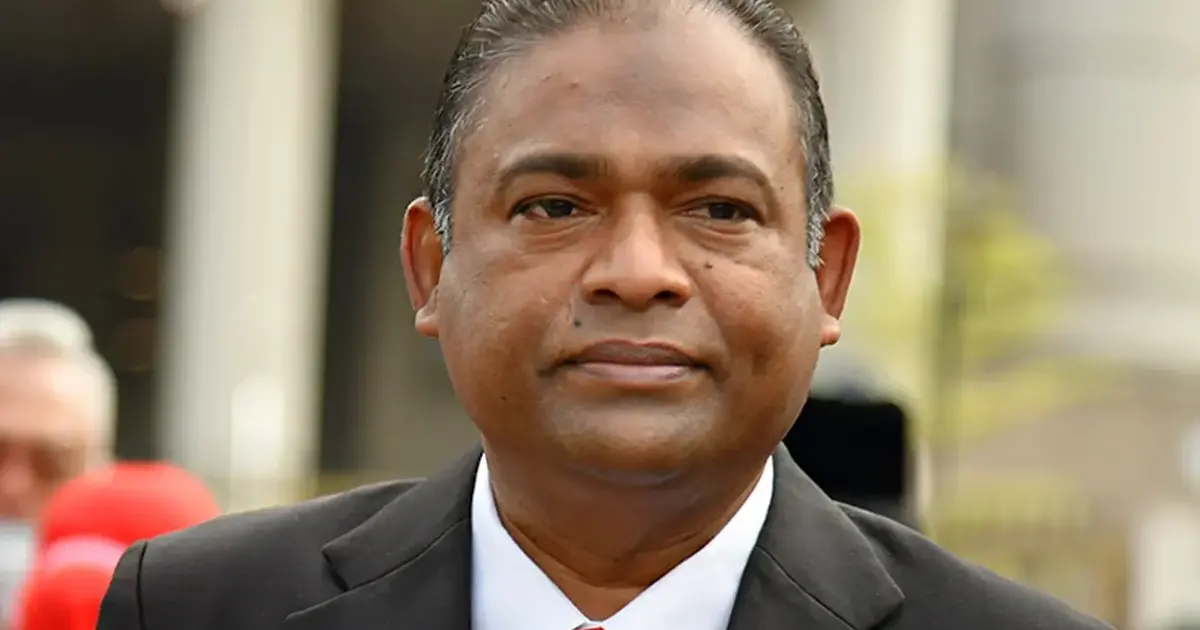
Rumours swirling across social media platforms have suggested that Abdul Azeez Abdul Rahim, the former chairman of Tabung Haji and one-time MP for Baling, had been taken into custody by the Malaysian Anti-Corruption Commission (MACC). However, his son has moved to extinguish these claims, asserting that there is no basis to the allegations of arrest that began circulating overnight.
The circulation of such reports on digital platforms highlights the rapid spread of unverified information in Malaysia's political landscape, particularly when senior figures with history in government-linked institutions become the subject of speculation. Tabung Haji, the pilgrimage fund that manages billions of ringgit in Malaysian Muslim assets, has been at the centre of public scrutiny in recent years over governance and financial management concerns. Any development involving former leadership of the organisation tends to attract immediate attention from both the media and public observers.
Abdul Azeez Abdul Rahim's tenure as chairman of Tabung Haji came during a period when the institution faced mounting questions about its investment strategies and administrative transparency. The fund had previously been implicated in various controversies relating to its business dealings and management practices, issues that captured significant parliamentary and public attention. His previous role as Member of Parliament for Baling also positioned him as a recognisable political figure within Malaysia's broader governance ecosystem.
The MACC has in recent years intensified its investigation into various government institutions and their leadership, with particular focus on financial impropriety and breach of public trust. These enforcement activities have affected multiple sectors and levels of government, creating an environment where any suggestion of investigation into senior officials generates considerable public interest and media speculation. The commission's work has become increasingly visible to ordinary Malaysians, partly through high-profile cases and partly through social media amplification of developments.
The denial from Abdul Azeez Abdul Rahim's family addresses a broader challenge in Malaysia's information ecosystem: the difficulty of distinguishing rumour from fact when claims circulate through unmoderated social media channels. During periods of heightened political activity or institutional scrutiny, such unverified narratives can spread rapidly, sometimes gaining traction before official clarification emerges. The speed with which information—accurate or otherwise—travels through these networks has become a defining feature of contemporary Malaysian public discourse.
For observers watching developments around government institutions and anti-corruption enforcement, the clarification is significant because it resets the narrative around what the MACC is or is not currently investigating. The commission's work remains one of the more sensitive aspects of Malaysian governance, with its independence and impartiality frequently debated across political circles. When speculation arises regarding its operations, it inevitably touches on broader questions about institutional credibility and political neutrality.
The incident also underscores how former officials of large institutions, particularly those managing public funds or enjoying prominent political status, remain subjects of public curiosity long after their tenures end. Tabung Haji in particular represents substantial national resources—money entrusted by pilgrims and Muslim Malaysians for religious and financial purposes—making its governance a matter of enduring public concern. Former leaders of such organisations can expect sustained scrutiny regarding their stewardship.
In the Malaysian context, where social media has become a primary vehicle for political communication and rumour, distinguishing official action from speculation requires active clarification from parties involved. Media outlets, social commentators, and official bodies must work in concert to establish what is substantiated and what remains unconfirmed gossip. This particular incident demonstrates the continuing importance of prompt, clear statements from affected parties when allegations or speculation emerges.
The Baling constituency has its own political significance within Malaysia's electoral landscape, situated in Kedah and representing a seat that has shifted between different political coalitions over recent election cycles. Abdul Azeez Abdul Rahim's representation of this area placed him within Malaysia's parliamentary structures at a time of considerable political volatility. His subsequent appointment to lead Tabung Haji reflected the intersection between political connections and institutional leadership that characterises aspects of Malaysian governance.
Moving forward, this clarification should allow focus to return to substantive questions about Tabung Haji's operations, governance structures, and financial stewardship. The institution remains a significant repository of trust for Malaysian Muslims, and its management—both past and present—warrants genuine scrutiny based on documented facts rather than unverified speculation. Clear separation between confirmed investigations and social media rumour serves the interests of both institutional accountability and the integrity of public discourse.

