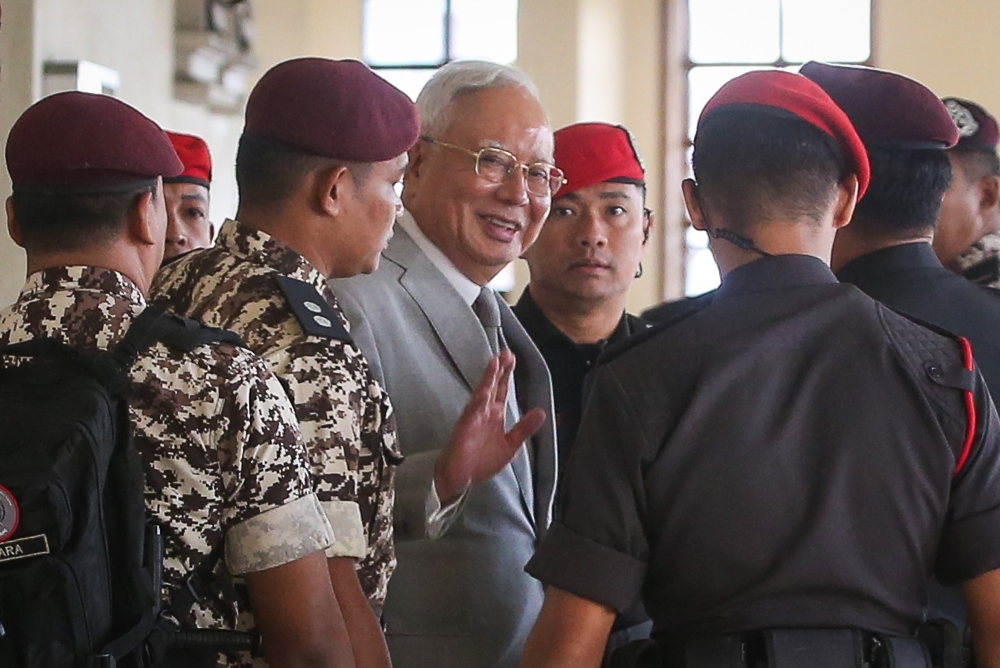
Former Prime Minister Datuk Seri Najib Razak will proceed with a scheduled heart procedure, his legal counsel confirmed in a statement on July 17. The announcement marks a significant development in the personal health circumstances of the former leader, who has faced an extended period of legal and judicial scrutiny over the past several years.
Najib's legal representatives released the confirmation following reports regarding his medical condition and upcoming treatment. The procedure itself represents a planned medical intervention rather than an emergency situation, though specifics regarding timing and the precise nature of the cardiac procedure were not extensively detailed in the initial disclosure. The confirmation from his legal team underscores the transparent approach being taken regarding his health matters during this period of his life.
The former premier's health developments come against a backdrop of significant legal proceedings that have defined much of his recent years in the public eye. Since stepping down from his position as Prime Minister in 2018, Najib has been embroiled in multiple court cases related to allegations surrounding financial management and governance during his tenure. His situation has remained a focal point of Malaysian political discourse and judicial activity, commanding ongoing attention from the media, legal observers, and the public.
For Malaysian readers and the broader Southeast Asian context, the intersection of Najib's personal health circumstances with his prominent role in the region's largest economy adds another layer to an already complex political narrative. His case has implications extending beyond individual accountability, touching on broader questions about governance standards, institutional integrity, and the trajectory of Malaysia's judicial system in handling high-profile cases involving former leaders.
The confirmation of his medical procedure also raises practical questions about how such circumstances are managed within Malaysia's correctional and legal system. Medical care provisions for individuals in his situation require coordination between healthcare providers, legal authorities, and correctional facilities, reflecting the sophistication of institutional processes that must balance security, humanitarian considerations, and proper medical standards.
Najib's legal team has consistently engaged with the court system and public communications to address various matters affecting their client. The announcement regarding his cardiac procedure continues this pattern of transparency, allowing relevant stakeholders to understand his personal circumstances while he navigates ongoing judicial processes. This approach stands in contrast to complete media silence and demonstrates a deliberate strategy of information management.
The former PM's health matters inevitably intersect with questions about the sustainability and fairness of prolonged legal proceedings. International perspectives on Malaysia's handling of such cases often consider whether individuals maintain basic human rights protections, including access to appropriate medical care, regardless of their legal status. The confirmation of his procedure suggests such protections are being observed within the Malaysian system.
From a political standpoint, developments regarding prominent figures like Najib continue to shape public discourse about accountability, governance, and institutional effectiveness. His case serves as a reference point in broader conversations about Malaysia's commitment to the rule of law and transparent governance structures. The manner in which his medical needs are accommodated within the justice system becomes part of this larger narrative about institutional credibility.
The announcement carries implications for Malaysian governance discussions that remain relevant to contemporary political dynamics. As Malaysia continues to navigate questions about institutional reform and democratic strengthening, cases involving former leaders provide real-world examples of how systems function in practice. These circumstances inform citizen perspectives on whether institutions operate fairly and effectively across all segments of society.
Looking forward, Najib's medical procedure represents a significant personal moment that intersects with his legal circumstances in ways that may influence the trajectory of his cases or the court's scheduling and considerations. Medical exigencies of this nature often necessitate procedural adjustments in legal proceedings, raising questions about timeline management and the overall duration of his judicial processes.
The confirmation from his legal representatives also reflects the role of professional advocacy in Malaysia's legal system. Lawyers continue to represent clients across the full spectrum of circumstances, demonstrating the principle that access to legal counsel and representation persists regardless of an individual's current legal standing or societal position. This institutional feature remains fundamental to Malaysia's claimed adherence to rule-of-law principles.
As news of the forthcoming procedure circulates, observers will continue monitoring how Malaysia's institutions manage such matters with appropriate balance between accountability imperatives and humanitarian considerations. The case exemplifies how personal circumstances, legal processes, and institutional capacity intersect in complex political environments, offering lessons relevant to Malaysia's ongoing development of governance standards and judicial practices.

