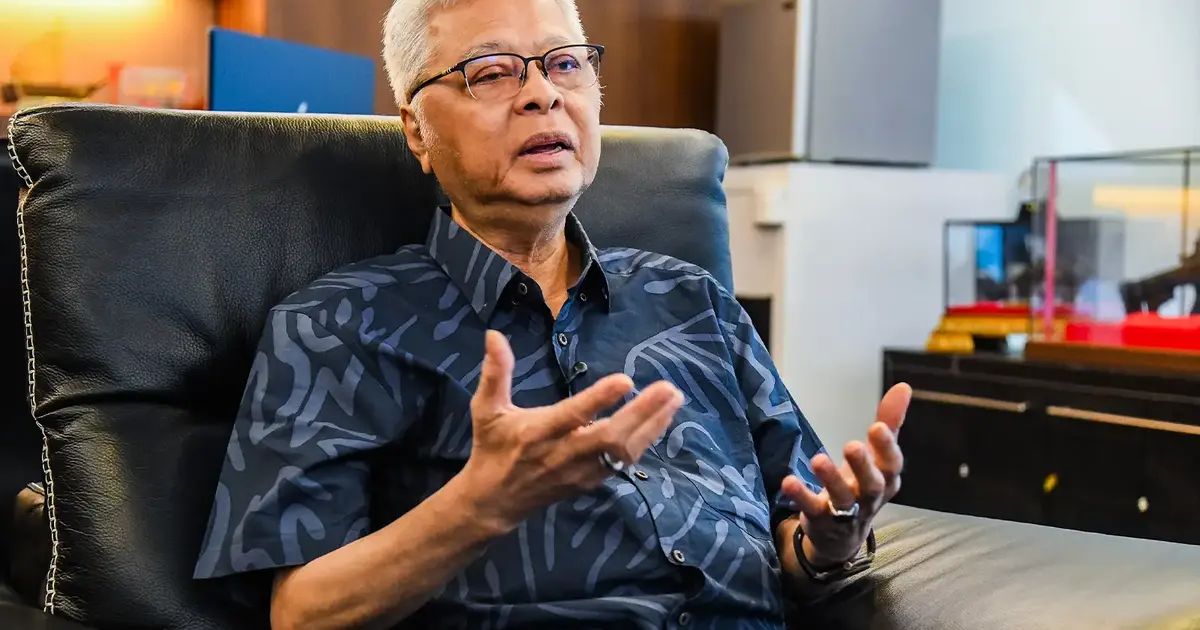
Former Prime Minister Ismail Sabri Yaakob is scheduled to appear in court tomorrow to face corruption charges, continuing a pattern of high-profile graft prosecutions that have defined Malaysian politics in recent years. The ex-Umno vice-president will present himself before Sessions Court judge Suzana Hussin at 9am, where the formal charges are expected to be read out, potentially opening a new chapter in his political career that has already been marked by considerable volatility.
Ismail Sabri's appearance represents the latest development in Malaysia's intensifying crackdown on alleged misconduct among senior political figures, reflecting broader efforts by authorities to address public concerns about governance standards. His case arrives amid heightened scrutiny of decision-making and financial management during various administrations, suggesting that no significant political figure remains insulated from investigation regardless of their tenure or party affiliation.
The timing of these proceedings carries weight within the broader context of Malaysian politics. Ismail Sabri served as Prime Minister between August 2021 and November 2022, a relatively brief tenure that ended following the formation of the Anwar Ibrahim-led government after the 15th General Election. His period in office was marked by considerable political instability and internal party tensions, factors that may have contributed to his departure from the office of Prime Minister.
His status as a former Umno vice-president underscores the continuing challenges facing the party in the aftermath of numerous scandals and corruption allegations involving its senior membership. Umno, once Malaysia's dominant political force, has faced sustained reputational damage from multiple graft investigations and high-profile convictions, eroding public confidence in the party's institutional integrity and governance credentials.
The appearance before judge Suzana Hussin tomorrow will set the trajectory for legal proceedings that could extend over months or even years, potentially dominating political discourse and attracting significant media attention. The charges themselves, while not yet publicly detailed in full, are understood to relate to alleged improprieties during his various roles in government and party administration.
For Malaysian politics, the case exemplifies the principle that high office provides no automatic protection from legal accountability. Unlike previous decades when senior politicians could often avoid prosecution through political influence or party protection, the current environment demonstrates a greater willingness by law enforcement agencies to pursue cases involving figures of prominence and seniority. This shift carries implications for how future administrations approach questions of financial probity and decision-making transparency.
The broader implications extend throughout Southeast Asia, where Malaysia's prosecution of former leaders has drawn international attention as an example of post-1MDB reform efforts. Other regional democracies observe Malaysian developments closely to assess whether anti-corruption initiatives can succeed despite significant political obstacles and powerful constituencies seeking to obstruct or minimize such proceedings.
Ismail Sabri's legal challenges also intersect with continuing debates within Umno about its direction and internal reforms. The party has attempted various strategies to rebuild public trust following the 1MDB scandal and subsequent corruption convictions of senior figures, but ongoing investigations and prosecutions complicate these efforts. The appearance of successive senior party members in court creates a narrative of institutional dysfunction that shapes voter perceptions.
From a systemic perspective, these proceedings test Malaysia's judicial independence and the commitment of investigative agencies to pursue cases with consistency and rigour. The specific charges to be detailed tomorrow will indicate the scope and seriousness of allegations, potentially affecting political dynamics and inter-party relationships ahead of future electoral contests.
The courtroom proceedings tomorrow will also demonstrate how Malaysian legal institutions handle cases involving former holders of the nation's highest office. While other democracies have prosecuted ex-leaders in various contexts, the Malaysian experience remains relatively recent and still developing, with each high-profile case potentially setting precedents for how courts manage such proceedings and the public receives them.
Observers will watch carefully to assess whether the judicial process unfolds with appropriate transparency and whether procedural fairness is maintained throughout. The handling of Ismail Sabri's case will likely influence public perceptions of institutional impartiality and may affect how Malaysian voters evaluate competing claims about governance standards made by different political parties during future elections.

