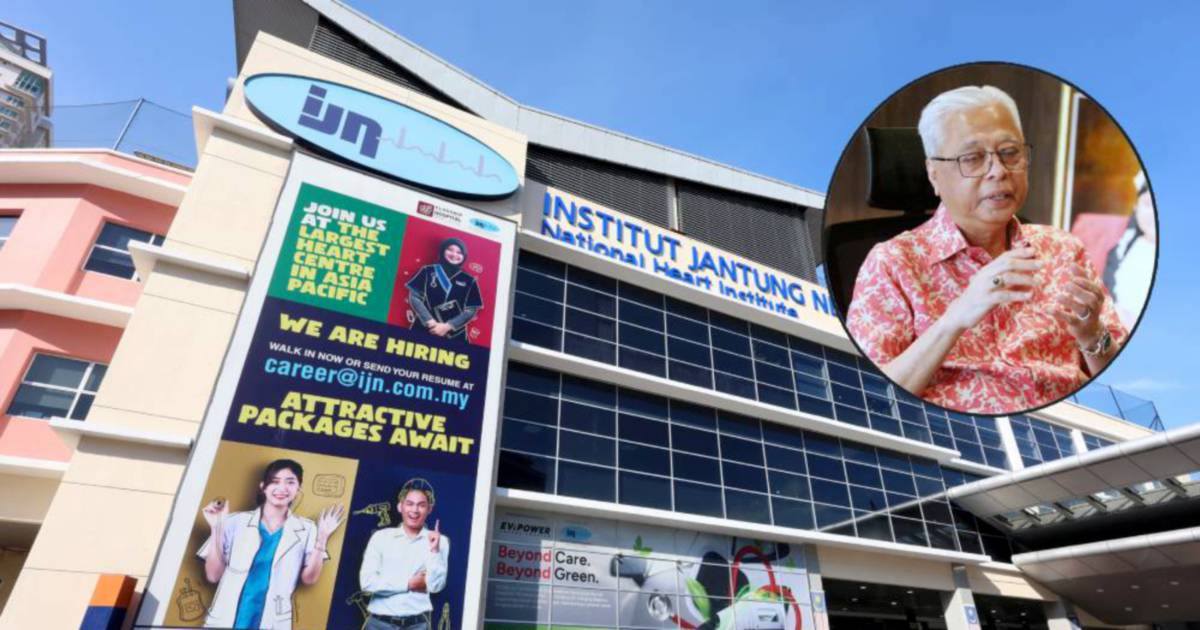
Datuk Seri Ismail Sabri Yaakob, who served as Malaysia's prime minister from August 2021 to August 2022, has successfully completed a leadless pacemaker implantation procedure at the National Heart Institute (IJN) in Kuala Lumpur. The former leader was admitted to the facility after being diagnosed with an abnormal heart rhythm, a condition that required immediate medical intervention. The procedure, carried out by cardiologists at the prestigious institution, marks a significant development in the health status of one of Malaysia's most recognisable political figures.
Abnormal heart rhythms, medically termed arrhythmias, occur when the electrical signals that coordinate heartbeats become irregular or disrupted. This can cause the heart to beat too quickly, too slowly, or inconsistently, potentially leading to reduced blood flow to vital organs. For individuals experiencing such conditions, a pacemaker becomes a critical therapeutic device, functioning as an artificial regulator to restore normal cardiac rhythm. The decision to implant a leadless pacemaker represents a modern advancement in treating such complications, offering certain advantages over conventional pacemakers that require leads—wires that connect the device to the heart.
Leadless pacemakers have gained prominence in contemporary cardiac care over the past decade due to their innovative design. Unlike traditional models, these compact devices are implanted directly into the heart muscle without the need for connecting wires or external pulse generators. This eliminates several complications associated with conventional pacemakers, including lead-related infections, insulation failures, and the necessity for repetitive surgical interventions to replace worn components. The absence of leads also reduces scarring and inflammation within blood vessels, potentially providing patients with greater longevity and fewer follow-up procedures throughout their lives.
Ismail Sabri's admission and subsequent treatment at IJN underscores the facility's status as a tertiary cardiology centre in Southeast Asia. The National Heart Institute, established decades ago, has evolved into a leading institution for advanced cardiac procedures and research. Its expertise in deploying cutting-edge technologies such as leadless pacemakers reflects the quality of healthcare infrastructure available within Malaysia's public medical system. For patients requiring complex cardiac interventions, access to such facilities within the country reduces the need for expensive medical tourism abroad.
The procedure's success carries particular significance given Ismail Sabri's high-profile position in Malaysian politics. His tenure as prime minister coincided with a challenging period in the nation's governance, following the collapse of the Pakatan Harapan coalition government. Though his premiership lasted just over a year, his subsequent role as Opposition leader and Umno deputy president has kept him actively engaged in political affairs. The successful completion of this medical procedure suggests that the former leader will be able to continue his political endeavours with restored cardiac stability.
Medical professionals have advised Ismail Sabri to prioritise rest during the initial recovery phase following the implantation. This standard post-procedure guidance allows the body to heal properly around the newly implanted device and permits the heart tissue to stabilise around the pacemaker's positioning. Recovery periods following leadless pacemaker insertion typically span several weeks, during which patients are counselled to avoid strenuous physical exertion and monitor themselves for any unusual symptoms. Adherence to these recommendations significantly improves long-term outcomes and device functionality.
The revelation of Ismail Sabri's cardiac condition and treatment adds to the growing awareness within Malaysia regarding cardiovascular health among the nation's political leadership. Heart-related ailments represent one of the leading causes of mortality and morbidity among middle-aged and older adults throughout the Southeast Asian region. For political figures who maintain demanding schedules and face sustained stress, the development of cardiac issues serves as a sobering reminder of the importance of preventive healthcare and regular medical monitoring. The transparency surrounding his treatment may also encourage other prominent individuals facing similar health challenges to seek appropriate medical care without delay.
The use of advanced medical technology like leadless pacemakers also reflects Malaysia's positioning within the global healthcare landscape. The country has steadily strengthened its reputation as a destination for quality medical care, with both public and private institutions investing in state-of-the-art equipment and training for specialists. The availability of such sophisticated procedures domestically indicates that Malaysian patients need not travel internationally for complex cardiac interventions, contributing to cost savings and improved accessibility for the broader population.
Looking forward, Ismail Sabri's recovery will likely proceed according to established clinical protocols. Cardiologists at IJN will conduct regular follow-up assessments to ensure the pacemaker functions optimally and that the heart's rhythm remains stabilised. Advanced imaging and electrical studies may be employed to confirm proper device integration with the cardiac tissue. Once cleared by his medical team, the former prime minister is expected to gradually resume his normal activities, subject to any ongoing restrictions recommended by healthcare professionals.
The successful completion of this procedure exemplifies the capability of Malaysia's healthcare system to deliver world-class cardiac care to patients across all sectors of society. As the nation continues to develop its medical infrastructure and retain specialist talent, such outcomes reinforce confidence in the quality of treatment available domestically. For Ismail Sabri and countless other Malaysians facing similar cardiac challenges, the availability of advanced therapeutic options represents a beacon of hope for improved health outcomes and sustained quality of life.

