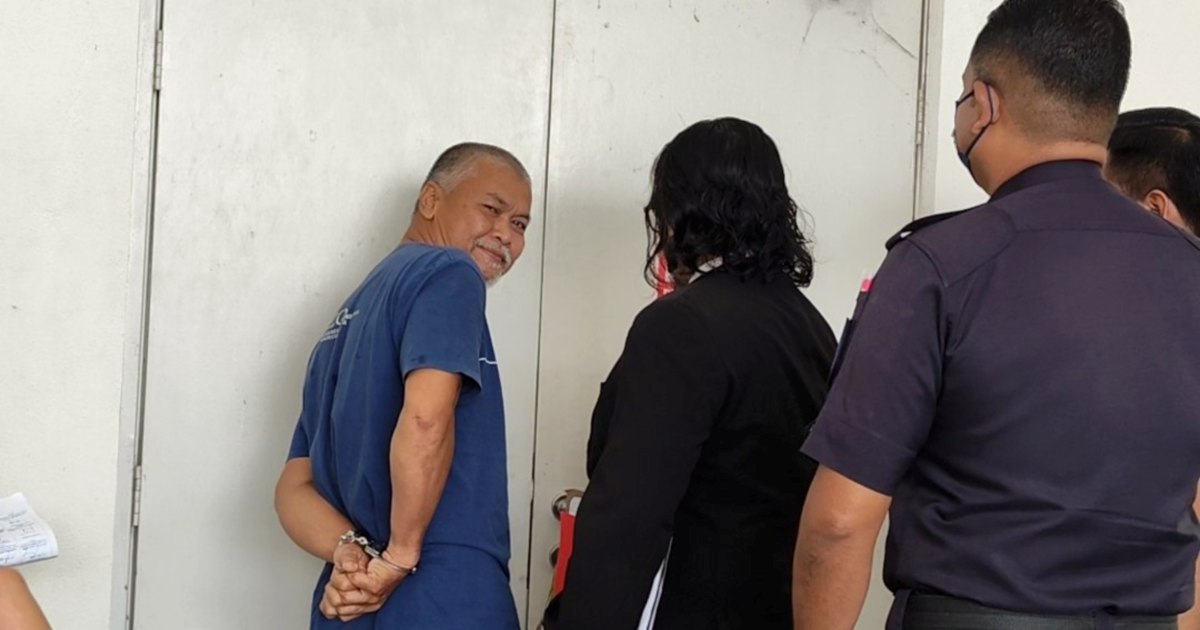
A retired serviceman has faced serious charges in Kangar after authorities discovered a cache of firearms and ammunition in his possession without proper legal authorisation. The individual appeared simultaneously in both the Sessions Court and magistrate's court, where he was presented with five separate charges spanning weapons offences and ammunition violations. The discovery, made during the early part of this month, uncovered not only operational firearms but also imitation weapons and several hundred rounds of live ammunition that the former military personnel had no lawful right to hold.
The case highlights ongoing concerns about weapons security among individuals with military backgrounds in Malaysia. While former servicemen often retain authorisation for certain categories of firearms after leaving active duty, the charges against this defendant suggest a significant breach of the regulations governing such possessions. The sheer quantity of ammunition—reportedly in the hundreds—indicates that this was not a minor oversight but rather a substantial accumulation that warranted serious intervention by law enforcement.
Due process in Malaysia dictates that weapons charges of this magnitude must proceed through multiple court channels simultaneously, which explains why the defendant appeared before both the Sessions Court, which handles more serious cases, and the magistrate's court. This dual-track approach ensures comprehensive legal scrutiny of the offences and allows different aspects of the case to be examined through separate but coordinated proceedings. The seriousness with which authorities are treating the matter is evident from the number of separate counts involved.
Imitation weapons charges add a particular layer of concern to this investigation. While replica firearms may seem less dangerous than operational weapons, Malaysian law treats them with considerable gravity due to their potential use in criminal impersonation, fraud, or intimidation offences. The inclusion of imitation weapons among the charges suggests that authorities uncovered a diverse arsenal rather than a single category of prohibited items, pointing to a more complex situation than straightforward licensing negligence.
The unauthorised ammunition possession carries distinct legal implications under Malaysian firearms legislation. Ammunition is tightly regulated separately from weapons themselves, and possession of hundreds of rounds without proper documentation represents a serious criminal matter. Each round can theoretically form the basis of a separate charge, though prosecutors often consolidate such violations into broader counts for efficiency. The scale discovered in this case would significantly exceed what any civilian or retired military personnel could lawfully justify.
For Perlis, the state where Kangar is located, such incidents underline the importance of vigilant enforcement of weapons laws. Rural areas near international borders, where Perlis sits adjacent to Thailand, require particular attention to weapons trafficking and unauthorised possession rings. Law enforcement agencies work continuously to intercept illegal arms flows and prosecute those who breach security protocols, regardless of their military background or rank.
The investigation that led to the discovery likely involved intelligence work combined with routine law enforcement checks or community tip-offs. How authorities initially became aware of the weapons cache remains part of the investigative record, though such cases often emerge through neighbourhood reports or during routine checks by security personnel. The systematic nature of the charges suggests a methodical investigation that documented each weapon and ammunition type separately.
This case carries implications for the broader conversation around retired service personnel and civilian firearms licensing in Malaysia. While veterans often receive considerations regarding weapon ownership—given their training and disciplinary backgrounds—such privileges come with strict conditions regarding storage, documentation, and accountability. A breach of this magnitude raises questions about oversight mechanisms and how effectively authorities monitor compliance among those with active permissions.
The defendant's military background, while potentially relevant during sentencing if convicted, does not provide legal immunity for weapons violations. Courts in Malaysia have consistently demonstrated that former soldiers face the same legislative requirements and penalties as any other citizen when those requirements are breached. Indeed, some judges have imposed harsher sentences on military or police personnel precisely because such individuals possess special knowledge and responsibility regarding weapons handling.
Looking ahead, the court proceedings in Kangar will likely attract attention from other enforcement agencies monitoring weapons-related crimes across Malaysia. Outcomes in high-profile cases like this influence how prosecutors approach similar matters and signal to the public the seriousness with which the judicial system regards unauthorised weapons possession. Whether the individual will eventually plead guilty or contest the charges, the case serves as a reminder of Malaysia's stringent approach to civilian and ex-military firearms ownership.
The Sessions Court and magistrate's court in Kangar have the authority to impose penalties ranging from imprisonment to substantial fines, depending on conviction outcomes and aggravating circumstances. Malaysian firearms law provides considerable discretion to judges in sentencing, allowing courts to reflect the severity of each individual case. Given the quantity of ammunition and diversity of weapons involved, courts would likely consider this a particularly serious breach warranting firm judicial response.

