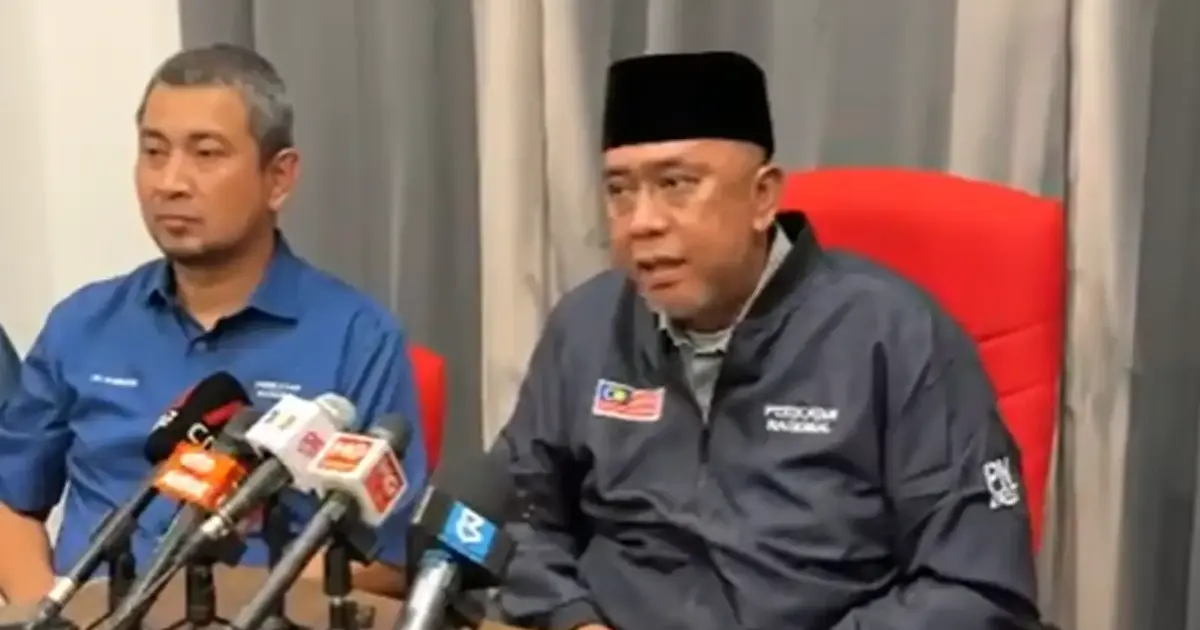
The political landscape in the Layang-Layang constituency has shifted markedly with the departure of Abd Mutalip Abd Rahim from Umno, triggered by the party leadership's decision to hand the parliamentary seat to the Malaysian Chinese Association. Mutalip's move to Bersatu and his intention to contest under the Perikatan Nasional banner underscores the fragility of coalition arrangements even among ostensibly allied parties heading into electoral cycles.
The veteran politician's exit reflects a broader pattern of discontent within Umno's ranks regarding seat allocation discussions that involve coalition partners. For constituencies like Layang-Layang, where Umno has held historical significance, the transfer of candidacy to another party can feel like a symbolic loss, particularly for long-serving representatives who have invested considerable time cultivating personal political capital and constituent relationships.
Mutalip's decision to join Bersatu rather than sit on the sidelines or return to independent status suggests calculated political positioning. By acquiring a PN ticket, he maintains access to institutional campaign machinery and avoids the disadvantage of contesting without organisational backing. Bersatu, led by Muhyiddin Yassin, has been expanding its parliamentary footprint across multiple states, and absorbing defectors from coalition partners allows the party to strengthen its presence without necessarily damaging the PN alliance structure—though such moves frequently create tension behind closed doors.
The allocation of Layang-Layang to MCA represents a broader negotiation between Umno and the Chinese-majority party within their coalition framework. MCA, whose electoral prospects have deteriorated significantly over the past decade, often receives plum constituencies as part of power-sharing agreements that help sustain the coalition's internal balance. However, such arrangements inevitably frustrate Umno members who view the concessions as detrimental to their party's dominance and electoral prospects. Mutalip's departure exemplifies this friction at the grassroots level.
For Malaysian voters in Layang-Layang, the shifting candidate landscape introduces new variables into their electoral calculus. Previously voting for an Umno representative with years of constituent service, voters will now face competing options: the MCA candidate representing the coalition's Chinese-focused political agenda, or Mutalip standing as a PN candidate, likely leveraging his personal track record and local standing. This fracturing of the traditional Umno vote benefits opposition parties that can consolidate anti-coalition sentiment or appeal to specific demographic segments.
The incident also illuminates the recurring challenge facing Malaysian coalition politics: managing the ambitions and expectations of individual politicians within larger party structures. Umno's leadership, having committed to broadening the coalition's appeal through seat-sharing arrangements, must occasionally disappoint senior members. Mutalip's defection, while not catastrophic, sends a signal that such decisions carry political costs, potentially complicating future negotiations with other party figures who may be asked to sacrifice parliamentary candidacies for the greater good.
Bersatu's acquisition of Mutalip adds another dimension to the ongoing power struggle within Perikatan Nasional. The party has pursued an expansion strategy aimed at positioning itself as the coalition's primary vehicle, sometimes to the discomfort of Umno leaders who traditionally viewed themselves as PN's dominant force. Recruiting experienced MPs from Umno provides Bersatu with credibility, constituency expertise, and a means to demonstrate that the party can attract talent from larger rivals, reinforcing its narrative as an ascendant political force.
From a broader Southeast Asian perspective, such coalition churn reflects the volatility characteristic of Malaysia's party system, where formal alliances mask deeper individualised politics and patronage networks. Unlike more institutionalised political systems, Malaysian parties frequently experience defections as politicians respond to immediate career incentives rather than ideological shifts. This fluidity complicates long-term political planning and coalition cohesion, particularly as electoral cycles approach and the stakes for candidate selection intensify.
The timing of Mutalip's departure warrants attention as well. Coalition agreements undergo routine stress testing in the months before general elections as parties finalise their candidate lists. Early defections can trigger cascading effects if other dissatisfied members follow suit, potentially destabilising the coalition before campaigning commences. Conversely, if Mutalip's move proves isolated, it may be absorbed without significant structural consequences, becoming merely a footnote in the coalition's internal dynamics.
Moving forward, observers will monitor whether Mutalip's defection prompts similar exits from other disappointed Umno members across constituencies where seat-sharing arrangements have been implemented. Should multiple high-profile figures abandon the party over allocation disagreements, it could signal deeper organisational problems within Umno and complicate the coalition's path to unity heading into elections. Conversely, if leadership manages to retain dissatisfied members through negotiation or face-saving arrangements, such incidents may remain isolated expressions of friction within an otherwise functional coalition structure.

