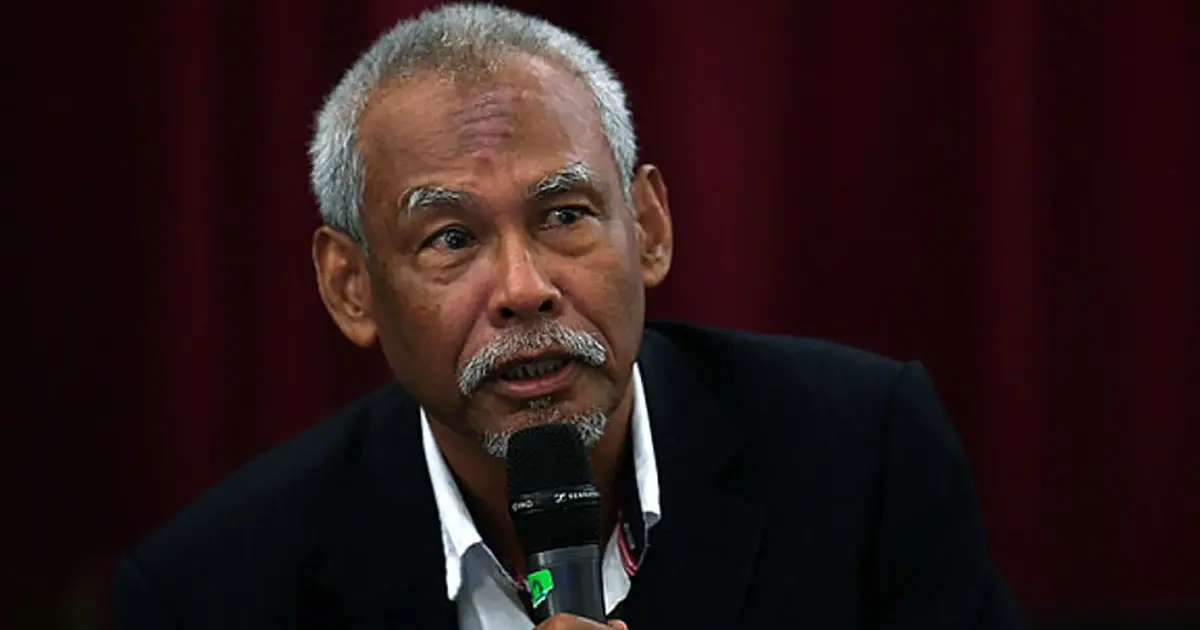
Malaysia's highest court has dealt a significant blow to former Inspector-General of Police Musa Hassan by rejecting his application to revisit a defamation lawsuit, a decision that carries implications for how disputes involving public figures and freedom of expression are resolved in the country's legal system. The apex court determined that nine constitutional questions raised by Musa Hassan regarding a public officer's entitlement to pursue defamation claims and broader principles of free speech do not meet the threshold for judicial review, effectively closing his avenue to challenge the underlying case.
Musa Hassan's attempt to secure a review centred on fundamental questions about the balance between protecting the reputations of those in public office and maintaining the right to free expression in Malaysia. These legal propositions, which would ordinarily attract serious constitutional consideration, were deemed by the apex court to fall short of warranting a full review of the case. The decision represents a judicial determination that the existing legal framework adequately addresses the issues Musa Hassan sought to contest, rather than requiring a wholesale reconsideration of the principles at stake.
The dismissal of Musa Hassan's appeal effectively allows the original defamation case to proceed without the potential disruption of a constitutional review. This outcome underscores the apex court's view that lower courts had already applied established jurisprudence correctly when handling the defamation matter. For legal practitioners and observers, the ruling suggests the judiciary is not inclined to revisit settled questions about public officers' rights to sue for defamation, at least not on the grounds presented in this instance.
The case touches on a perpetually contentious area of Malaysian law: the intersection between protecting individual reputations and safeguarding public discourse. Public officials occupy a unique position within the legal framework, bearing the potential scrutiny that accompanies their roles while retaining certain protections afforded to ordinary citizens. Musa Hassan's attempt to establish through constitutional review that this balance required recalibration was unsuccessful, suggesting the courts regard the current equilibrium as appropriate.
For a nation navigating complex questions about media freedom, online speech, and accountability, this judgment carries broader significance beyond Musa Hassan's personal circumstances. It indicates that courts will not readily suspend proceedings or reframe defamation law simply because a plaintiff holds or once held a high-ranking public position. The precedent suggests that public officers must engage with the defamation process on substantially the same terms as other litigants, though the courts have historically recognised certain contextual factors relevant to such cases.
The rejection of Musa Hassan's application reflects the apex court's confidence that established legal principles already adequately govern disputes of this nature. Rather than creating new constitutional ground or fundamentally reinterpreting existing protections, the court opted to maintain the status quo. This conservative approach to judicial review, while perhaps limiting in scope for those seeking major doctrinal shifts, provides stability and predictability within the legal system.
Musa Hassan's experience demonstrates the high bar courts set before agreeing to conduct constitutional reviews of settled matters. Even questions that invoke fundamental principles about free speech and public accountability must typically demonstrate that current legal provisions fail to address them adequately. The apex court's determination that his nine questions did not clear this threshold indicates that freedom of expression protections and public officer defamation rights, as currently codified and interpreted, were deemed sufficient.
The ruling also carries implications for how similar cases involving prominent former officials might be approached in future. By rejecting Musa Hassan's bid for review, the apex court has signalled that it will not intervene at the constitutional level merely because a defamation plaintiff occupied a significant public position. This consistency in approach helps establish clear expectations for other potential litigants and their legal representatives when considering such claims.
For Malaysian legal practitioners and constitutional scholars, the decision offers a sobering reminder about the limitations of constitutional review as a mechanism for challenging the application of ordinary law, even when fundamental principles appear engaged. The questions Musa Hassan raised about the proper scope of defamation law as it applies to public servants were not deemed frivolous, yet they did not persuade the apex court that judicial intervention was warranted. This distinction between raising important questions and demonstrating that they require constitutional recalibration remains crucial to understanding how Malaysia's courts exercise their review powers.
The implications extend to the broader Malaysian legal landscape, particularly regarding transparency and accountability. Public officials and former high-ranking government servants remain entitled to pursue defamation claims, but they cannot routinely expect courts to revisit constitutional questions as a means of circumventing ordinary legal processes. This arrangement reflects a judicial philosophy that favours finality and predictability, though it may frustrate those who believe defamation law requires fundamental reform.
Musa Hassan now faces the prospect of continuing the defamation case under existing legal frameworks without the constitutional overlay he sought to introduce. The apex court's decision stands as the final word on whether his application warranted review, effectively closing this particular chapter in the broader discussion about balancing public accountability with personal reputation protection in Malaysia.

