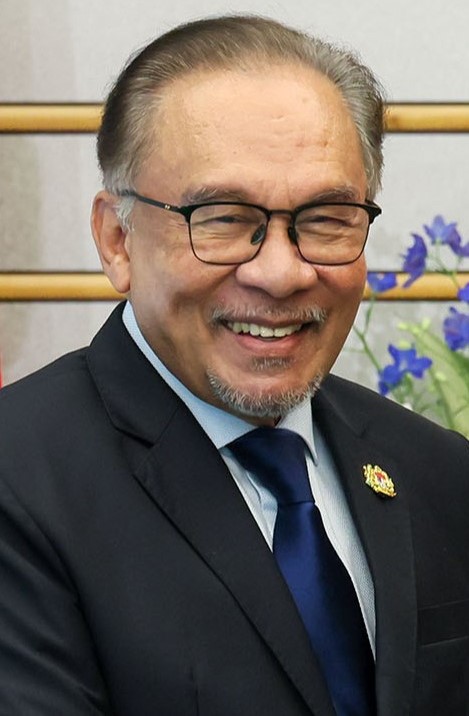
Former health minister Onn Hafiz Ghazi, who has recently returned to Umno's ranks, will contest the upcoming Johor state election as the Barisan Nasional chairman for the state, defending his parliamentary seat in Machap. His candidacy signals an important development in the state's political landscape as the coalition marshals its resources ahead of the electoral contest.
Onn Hafiz's involvement in the Johor campaign carries particular significance given his previous portfolio in the federal health ministry and his trajectory within Malaysian politics. His decision to stand reflects broader party calculations about which figures carry sufficient influence to hold strategically important constituencies. The Machap seat, which he has previously won, represents a traditional Barisan stronghold that the coalition will be keen to retain in what promises to be a competitive election cycle.
The appointment of Onn Hafiz as Barisan Nasional chairman for Johor underscores the coalition's confidence in his organizational abilities and political standing within the state. This leadership role extends beyond his individual candidacy, placing him at the helm of broader campaign coordination efforts. His position as chairman suggests he will play a central role in candidate selection, campaign messaging, and mobilizing party machinery across Johor's numerous constituencies.
Since returning to Umno after his previous stint outside the party, Onn Hafiz has positioned himself as a bridge between traditional party structures and newer political dynamics. His re-entry into Umno carries implications for party unity and the faction-balancing act that has characterized Malaysian politics in recent years. The fact that his reinstatement into party leadership roles has proceeded relatively smoothly suggests acceptance across different Umno factions, though the broader coalition dynamics remain complex.
Machap itself presents both advantages and challenges for any candidate. Located in Johor's heartland, the constituency has historically leaned toward Barisan, but recent electoral trends across Malaysia have shown that no seat is truly secure. Opposition parties have invested significantly in challenging traditional strongholds, and Machap will likely see competitive contests that require sustained campaign effort throughout the election period. Onn Hafiz's incumbency advantage must be weighed against these shifting voter sentiments.
The timing of Johor's state election reflects broader national political calculations, with the federal government eager to consolidate power at state level where it faces particular challenges. Johor remains strategically vital to Barisan's overall strength in Parliament and in the states. A strong performance in the election would provide crucial momentum for the coalition and could reshape discussions about future federal power-sharing arrangements among coalition partners.
Onn Hafiz's experience in the health ministry positions him to campaign on service delivery and government performance in that critical sector. His tenure, despite the challenges of managing public health during a pandemic period, provides material for claims about his administrative capabilities and commitment to improving citizen welfare. Opposition parties will likely scrutinize his health ministry record carefully, seeking to undermine claims of competent governance.
The broader Johor campaign will extend beyond individual candidacies to encompass coalition-wide strategy. Barisan's performance across the state's constituencies will determine whether it can maintain its traditional dominance or whether opposition coalitions have successfully eroded its support base. Early indications from Onn Hafiz's positioning suggest the coalition expects to conduct a vigorous campaign with substantial resources deployed across multiple fronts.
Onn Hafiz's role as state chairman also indicates that Barisan is organizing itself hierarchically for the election, with clear chains of command and responsibility. This organizational structure suggests the coalition intends to conduct a disciplined, coordinated campaign rather than allowing individual candidates to operate independently. Such coordination becomes increasingly important in modern elections where messaging consistency and rapid response capabilities prove decisive.
For Malaysian observers and political analysts, the Johor election represents a significant test case for broader electoral trends. Johor's results could provide indicators about voter sentiment toward federal government performance, inflation pressures, and governance quality. If Barisan performs strongly, it may suggest the coalition has successfully addressed public concerns; poor results would indicate that structural challenges remain despite recent efforts at coalition reorganization.
The contest in Machap specifically will attract significant media and political attention given Onn Hafiz's profile and his role leading the state-wide campaign. Opposition candidates will likely use his position to frame the broader election as a referendum on Barisan governance and federal policies. How Onn Hafiz navigates these broader narratives while maintaining focus on local constituency issues will partly determine whether he successfully retains his seat and contributes to overall coalition success in Johor.