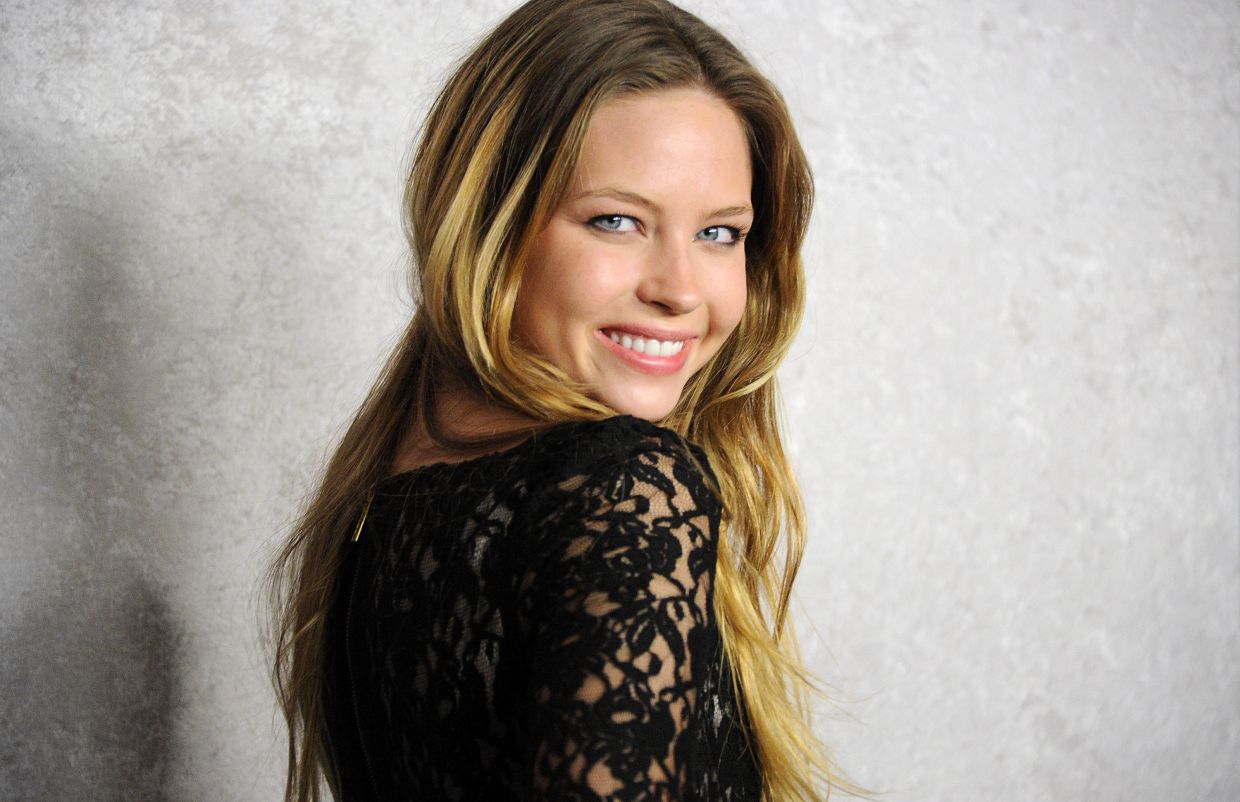
The probate records for Daveigh Chase, the accomplished voice actress known for bringing Disney's mischievous protagonist Lilo to life, reveal an unexpected financial legacy despite her tragic final years living on the streets of Los Angeles. Chase passed away on June 16 in a city hospital at the age of 35, with her father disclosing to media that she had been homeless immediately prior to her death, residing near the very medical facility where she ultimately succumbed. The gap between her substantial estate and her circumstances at death underscores the often-hidden complexities of homelessness and financial hardship affecting former entertainment industry figures.
According to the Los Angeles medical examiner's official determination, Chase died from complications of acquired immunodeficiency syndrome, commonly known as AIDS, with contributing factors including a combination of controlled and illicit substances in her system at the time of death. This clinical assessment provides medical context to what appears to have been a prolonged health crisis, one that occurred whilst Chase was without stable housing or the support systems typically available to those with greater financial resources.
Chase's mother, Cathy Chase, submitted a petition to the Los Angeles Superior Court earlier this month requesting appointment as administrator of her daughter's estate. The probate filing process, obtained by news organisations tracking the case, reveals the formal mechanisms by which her assets will be distributed and her affairs settled. As part of her application, Cathy Chase has requested the court approve a bond valued at US$400,000, a standard procedural requirement designed to protect the estate's beneficiaries and creditors during the administration process.
A formal probate hearing has been scheduled for August 12, at which point the court will determine whether to grant Cathy Chase's administrator appointment and address other matters related to the estate's management. This hearing represents a critical juncture in the legal process, where documentation will be reviewed and any objections from other potential claimants or interested parties will be heard. The timeline suggests a relatively expedited probate process, though the substantial value of the estate may complicate proceedings.
Chase's professional trajectory in the entertainment industry illustrates the volatility inherent in child stardom and its long-term consequences. She achieved significant prominence during her younger years, particularly through her voice work for Disney's animated feature, which introduced her talent to a global audience. However, her career fundamentally altered course beginning in 2016, when she stepped away from acting entirely and effectively disappeared from public view. That same year marked her final credited film and television appearances, suggesting a deliberate or circumstantial withdrawal from the industry.
The circumstances surrounding her departure from entertainment remain unclear from available public records, but the timing coincides with growing reports of personal difficulties. By 2017, Chase encountered the criminal justice system when she was arrested in connection with an incident involving a dying man left outside a hospital. Authorities did not suspect her involvement in the man's death itself, but rather prosecuted her on charges related to fleeing the scene. She was reportedly wanted on an outstanding warrant at the time of apprehension, indicating prior legal entanglements.
For Malaysian and Southeast Asian readers, Chase's trajectory offers a sobering reminder of the precarity faced by child performers, regardless of nationality or initial success. The entertainment industry across Asia has expanded dramatically in recent decades, with child actors becoming increasingly prominent in film, television, and digital content. The absence of robust support systems, mental health services, and long-term career planning for young performers represents a significant vulnerability, one that can lead to precisely the kind of decline evident in Chase's life story.
The disconnect between Chase's documented assets and her homeless status at death raises important questions about financial literacy, asset management, and access to legal and banking services among vulnerable populations. Many individuals experiencing homelessness possess assets or property of which they may be unaware, held in dormant accounts or overlooked holdings. The probate process itself, whilst necessary for legal distribution of her estate, highlights the posthumous complexity of addressing accumulated financial obligations and entitlements.
Chase's case also reflects broader healthcare and social service gaps affecting individuals with HIV and AIDS in the United States. Despite advances in treatment and prevention, marginalised populations—including those who have experienced trauma, addiction, or career collapse—frequently lack consistent access to antiretroviral therapy and supportive services. The combination of homelessness, substance use, and untreated or undertreated AIDS created a perfect storm of vulnerability in Chase's final years.
The scheduled August 12 probate hearing will bring formal closure to one chapter of Chase's story, though questions about her trajectory and the factors contributing to her decline will likely remain. Her mother's efforts to administer the estate responsibly may result in distributions to creditors, family members, and potentially charitable organisations aligned with her legacy. For the entertainment industry itself, Chase's case serves as a cautionary narrative about the necessity of safeguarding young performers and ensuring they have access to financial planning, mental health support, and long-term career development resources before they reach crisis points.
Ultimately, the RM1.6 million estate represents both an asset that might have provided stability during Chase's most desperate years and a posthumous reminder of the human costs associated with inadequate social safety nets. Whether the financial resources that sustained her asset base could have been mobilised to prevent her homelessness and health crisis remains a question that extends beyond the probate filing, touching on broader societal obligations to those who contributed to cultural institutions during their most vulnerable years.

