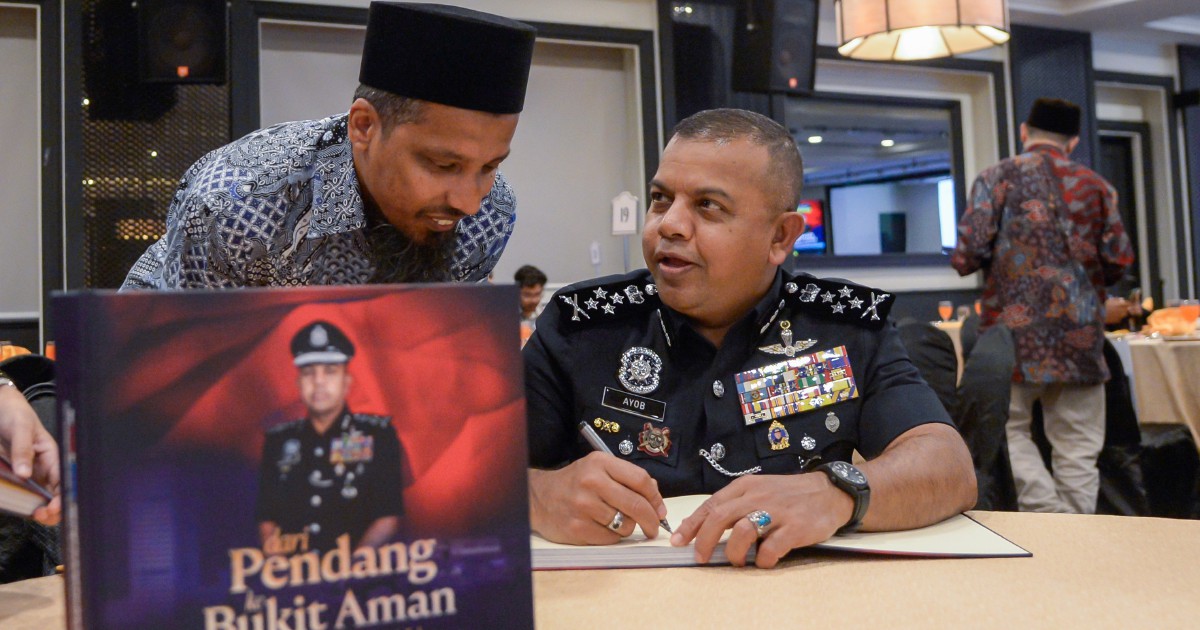
Tan Sri Ayob Khan Mydin Pitchay, who served as deputy Inspector-General of Police, has characterised the investigation into the "Gang Nicky" case as one of the most substantial operations ever conducted by Bukit Aman, the headquarters of the Royal Malaysian Police. The probe evidently made a lasting impact on the senior law enforcement official during his tenure in one of the country's highest-ranking police positions.
The "Gang Nicky" case represents a significant chapter in Malaysian criminal history, drawing considerable resources and investigative effort from the police force. Ayob Khan's reflections on this particular investigation underscore the complexity and importance it held within the broader context of Bukit Aman's operational portfolio over the years. His comments suggest that the case involved elements that elevated it beyond routine criminal enquiries, possibly encompassing multiple jurisdictions, sophisticated criminal networks, or crimes of considerable public concern.
For Malaysian readers, the significance of such high-level retrospectives on major police investigations carries particular weight. When senior retired officials discuss landmark cases, they often provide insight into how Malaysia's law enforcement apparatus approached organised crime, gang violence, or other serious criminal enterprises during specific periods. These reflections help the public understand the challenges faced by police leadership and the resources required to pursue complex investigations effectively.
The statement from Ayob Khan appears to validate the intensity and scope of the investigation at the time it was conducted. Bukit Aman's commitment to the "Gang Nicky" probe presumably involved coordination across multiple police units, sustained operational tempo, and potentially international cooperation if the case extended beyond Malaysia's borders. Such major investigations often become benchmarks against which subsequent police operations are measured, influencing procedural development and investigative methodologies across the force.
Understanding how Malaysia's police hierarchy views landmark cases offers context for evaluating institutional memory and lessons learned from past operations. Ayob Khan's tenure as deputy IGP placed him in a position where he would have been intimately involved in decisions regarding resource allocation, investigative direction, and the strategic approach to major criminal enquiries. His characterisation of "Gang Nicky" as particularly significant suggests the investigation presented distinctive challenges that required careful management at senior levels.
The retrospective nature of Ayob Khan's comments also reflects broader patterns in how former law enforcement officials assess their legacies and the defining moments of their careers. Major investigations often become synonymous with particular leadership periods, serving as markers by which officials are remembered. For the Malaysian police force, major cases handled during the tenures of high-ranking officers contribute to the institutional narrative about effectiveness, professionalism, and the organisation's capacity to address serious crime.
In the Southeast Asian context, Malaysia's approach to significant criminal investigations holds relevance for regional law enforcement cooperation and information-sharing arrangements. The "Gang Nicky" case, if it involved transnational dimensions, would have contributed to relationships and protocols with police forces in neighbouring countries. Senior Malaysian officers' reflections on such cases inform understanding of how the region's law enforcement community has evolved in tackling organised crime and criminal networks that often operate across borders.
The identification of "Gang Nicky" as among Bukit Aman's most significant investigations also raises questions about how contemporary Malaysian police prioritise and manage major enquiries. Standards of investigation, resource availability, and institutional learning from past cases all influence how current and future cases are handled. Ayob Khan's assessment provides a historical perspective that allows comparison between the capabilities and approaches of earlier periods and the present operational environment within the Royal Malaysian Police.
Public discourse around landmark investigations serves additional functions beyond documenting historical fact. Such discussions help maintain institutional transparency regarding major police operations that typically received substantial media coverage when they occurred. By having senior retired officials reflect publicly on significant cases, the police force indirectly acknowledges the public interest in understanding how major investigations were conducted and managed. This contributes to maintaining confidence in law enforcement institutions and demonstrates that accountability extends to reviewing how resources were deployed on significant operations.
The broader significance of Ayob Khan's remarks extends to how Malaysian society understands its own criminal history and the evolution of law enforcement responses to organised crime. The "Gang Nicky" investigation represents a particular moment in the country's experience with serious criminal enterprises. Through the lens of retrospective analysis by senior police officials, current and future generations can appreciate the complexities involved in investigating and prosecuting major cases while also considering whether lessons learned then remain applicable to contemporary criminal challenges.

