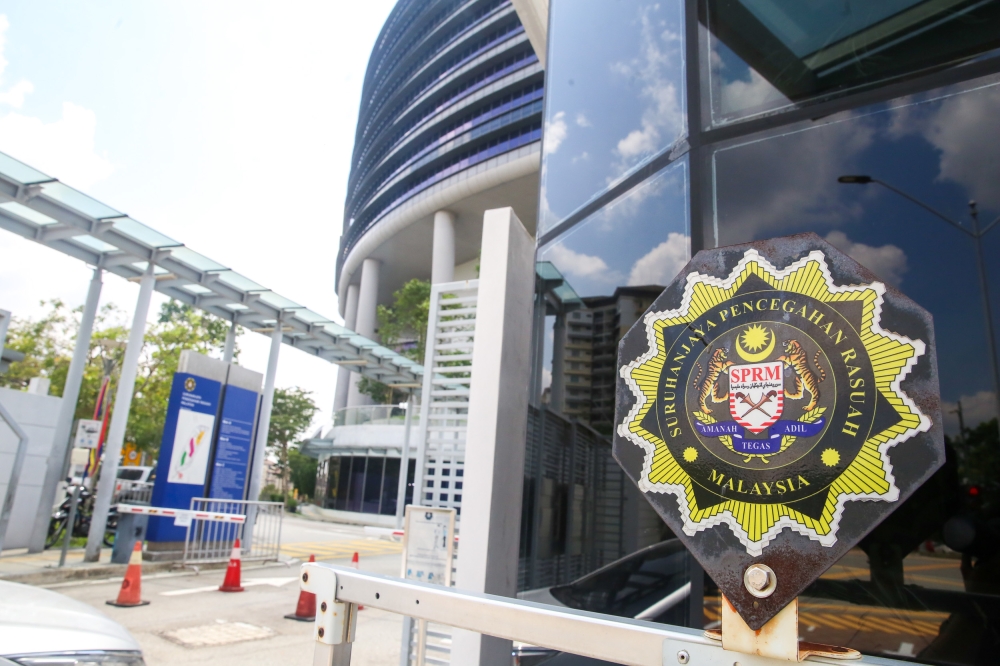
A former government employee is under investigation by the Kuala Lumpur branch of the Malaysian Anti-Corruption Commission following allegations that he orchestrated a fraudulent scheme to pocket RM300,000 in state assistance payments. The suspect, whose identity has not been disclosed, was remanded in custody for four days beginning July 14 as investigators probe the mechanics and scope of the alleged identity-based scam that targeted relief funds.
The case underscores a growing vulnerability within Malaysia's welfare and assistance distribution systems, where personal data has become a commodity exploited by those with insider knowledge. By leveraging access to government databases and administrative channels, the accused allegedly circumvented standard verification procedures that should have prevented multiple fraudulent claims from being processed successfully. The ability to conduct such an operation suggests potential gaps in cross-checking mechanisms between disbursing agencies and identity verification bodies.
What distinguishes this investigation from routine financial crimes is the deliberate victimization of eleven individuals whose personal particulars—likely including identification numbers, addresses, and banking information—were weaponized without their knowledge or consent. These victims face not only the moral injury of having their identities misused but also potential complications should they apply for future assistance or credit, depending on how thoroughly the fraudulent transactions have contaminated their records.
The remand period granted to the MACC provides investigators crucial time to reconstruct the financial trail of the alleged scheme. Authorities will likely examine banking records, government disbursement systems, and employment histories to establish how the suspect accessed the personal details and which government assistance programmes were exploited. The sophistication of processing eleven separate claims suggests either extensive premeditation or access to comprehensive personal data repositories that should be tightly controlled.
For Malaysian taxpayers and citizens, this case carries implications beyond the immediate RM300,000 loss. It highlights systemic risks within public administration where employees with legitimate access to sensitive systems can weaponize that access for personal enrichment. The incident may prompt government agencies to review their internal controls, audit trails, and the segregation of duties among staff handling sensitive citizen data and disbursement approvals.
The timing of the investigation reflects broader national efforts to combat corruption across government services. The MACC's commitment to pursuing such cases, regardless of the perpetrator's former civil service status, sends a message that insider corruption receives serious scrutiny. However, the reliance on remand periods to extract information also underscores the investigative challenges authorities face when pursuing financial crimes that leave deliberately obscured trails.
Similar cases across Southeast Asia have demonstrated that welfare fraud schemes using multiple identities often implicate additional conspirators—whether junior staff who assist in accessing records, banking officials who process transfers, or intermediaries who handle the proceeds. The four-day remand window may be critical for establishing whether the suspect acted alone or coordinated with others within government or financial institutions.
From a governance perspective, this investigation presents an opportunity for Malaysia to strengthen identity verification protocols in assistance programmes. Many neighbouring countries have invested in biometric integration, real-time cross-referencing with the civil registry, and multi-factor authentication for disbursement approvals. Implementing similar safeguards could significantly reduce the window of opportunity for perpetrators attempting to exploit state assistance.
The case also reflects broader economic pressures that may drive some individuals towards criminal activity. Understanding whether the suspect was motivated by personal financial distress, lifestyle aspirations, or opportunistic exploitation of accessible systems could inform both prosecution strategy and preventive human resource policies across government services.
As investigations proceed, authorities will need to notify the eleven victims of the identity misuse and clarify what steps they should take to protect their credit standing and future assistance eligibility. Government agencies will likely coordinate on victim notification and support, particularly given the sensitive nature of using citizens' personal data for fraudulent claims.
The broader lesson for Malaysia's civil service and public administration lies in recognising that no anti-corruption framework succeeds without complementary investments in system security, regular audits, and employee vetting. The fact that a former civil servant possessed sufficient access and knowledge to perpetrate such a scheme suggests that background checks, ongoing probity assessments, and monitoring of employee activities may require enhancement.

