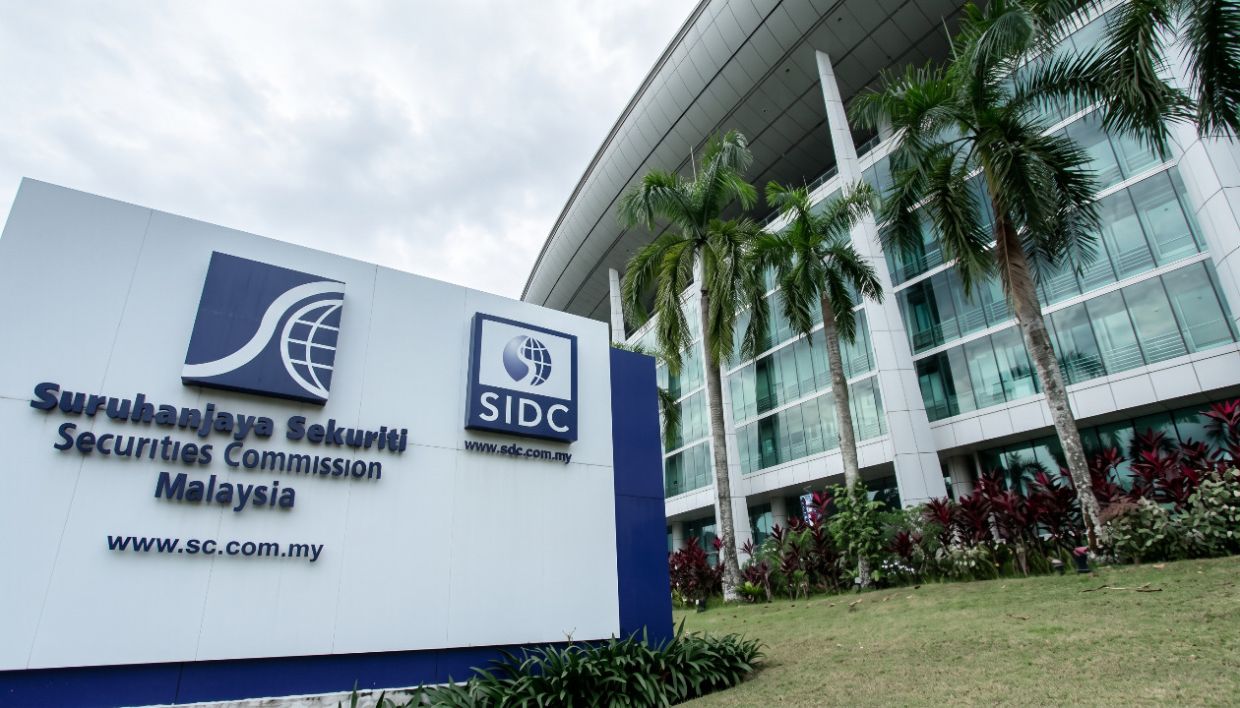
The Kuala Lumpur Sessions Court has handed down a three-year prison sentence to Mohd Arif Fadzlee Mohd Arifin, a former bank analyst found guilty of engaging in unlicensed securities dealing and misusing professional credentials without proper authorisation from Malaysia's regulatory authorities. The conviction marks a significant enforcement action by the Securities Commission Malaysia (SC) in cracking down on individuals operating in the capital markets without the required licences and formal registration.
Mohd Arif faced two separate charges brought by the SC on January 23, 2024, under different sections of the Capital Markets and Services Act 2007 (CMSA). The first charge involved impersonating a representative of CIMB Wealth Advisors Berhad whilst engaging in the regulated activity of dealing in securities, despite lacking the mandatory Capital Markets Services Representative's Licence (CMSRL) and formal registration status required by the SC. This charge was framed under section 59(1) of the CMSA, which establishes strict licensing requirements for anyone conducting securities dealing activities in Malaysia's regulated financial markets.
The second charge, filed under section 362(3) of the CMSA, concerned Mohd Arif's unauthorised use of the Unit Trust Consultant (UTC) title. According to the SC, this misrepresentation created a false impression among potential clients that he possessed legitimate licensing and authority to conduct securities transactions. The UTC designation, when properly held, indicates that an individual has met specific professional standards and regulatory requirements. By appropriating this title without proper credentials, Mohd Arif allegedly misled investors about his qualifications and regulatory standing.
Both offences occurred in Petaling Jaya and Nilai during 2011, a period when the perpetrator was actively soliciting financial services to members of the public without holding valid credentials. The charges underscore a critical vulnerability in Malaysia's financial markets: individuals with banking backgrounds may attempt to leverage their industry knowledge and professional familiarity to conduct unauthorised activities. The case reveals how former institutional experience can become a tool for deception when coupled with the absence of proper licensing frameworks.
During the trial proceedings, the prosecution presented a comprehensive case that included testimony from ten witnesses, among whom were two individuals who had fallen victim to Mohd Arif's unlicensed activities. This victim testimony provided direct evidence of the real-world harm caused by unregulated securities dealing, demonstrating not merely technical regulatory violations but actual financial and personal impact on Malaysian consumers. On February 27, 2026, the Sessions Court determined that the prosecution had successfully established a prima facie case, compelling Mohd Arif to mount a formal defence against the allegations.
Mohd Arif chose to testify under oath in his own defence but did not present corroborating witnesses or documentary evidence to support his position. This defensive strategy proved insufficient, as the court found that his testimony failed to establish reasonable doubt regarding the prosecution's evidence. The judge's assessment suggests that Mohd Arif's explanations and denials were not persuasive when weighed against the witness accounts and circumstantial evidence presented by the SC.
The sentencing outcome reflects the seriousness with which Malaysian courts treat capital markets violations. Mohd Arif received three years imprisonment for each of the two charges, with both sentences to run concurrently, meaning he will serve three years total rather than six years. This concurrent sentencing approach, whilst still substantial, acknowledges that both convictions stem from a similar course of conduct rather than entirely separate criminal episodes.
The statutory frameworks governing these offences carry substantial maximum penalties designed to deter potential violators. A conviction under section 59(1) of the CMSA can result in fines reaching RM5 million or imprisonment up to five years, or both, reflecting the severity of unauthorised securities dealing. Section 362(3) violations carry maximum penalties of RM1 million in fines or five years imprisonment, or both. These provisions establish a graduated penalty structure that allows courts discretion whilst maintaining strong deterrent messaging across the capital markets industry.
This enforcement action carries broader implications for Malaysia's financial regulation and consumer protection framework. The SC's successful prosecution sends an explicit warning to individuals with financial services experience that their prior institutional credentials do not exempt them from licensing requirements. As Malaysia continues developing its position as a regional financial hub, maintaining strict compliance with capital markets regulations becomes increasingly important for preserving investor confidence and protecting vulnerable market participants from fraudulent operators.
The case also highlights the ongoing challenge of detecting and prosecuting unlicensed financial services providers who may operate through personal networks and informal channels rather than formal institutional structures. Victims often discover the fraud only after suffering financial losses, making prevention through regulatory awareness and enforcement equally critical. Malaysian regulators and financial institutions have intensified efforts to educate consumers about the importance of verifying credentials and dealing only with properly licensed professionals, utilising cases such as this to reinforce those messages.

