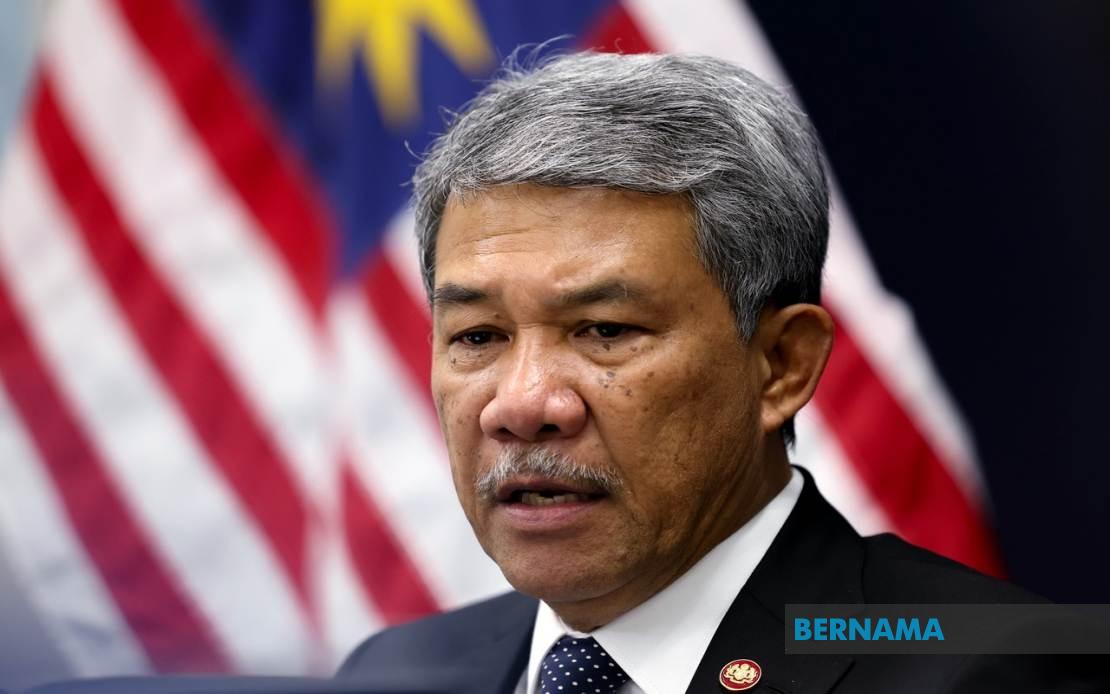
Datuk Seri Mohamad Hasan touched down in Manila on Sunday afternoon to spearhead Malaysia's participation in a week of intensive multilateral diplomatic engagements centred on the 59th ASEAN Foreign Ministers' Meeting. The foreign minister's arrival at Ninoy Aquino International Airport was marked by a formal welcome from the Philippines' Department of Foreign Affairs, underscoring the significance the host nation places on the gathering. With Philippine officials greeting him at the tarmac alongside Malaysia's diplomatic representative to the country, the arrival reflected the ceremonial importance these regular summits hold in shaping regional policy and consensus-building among Southeast Asia's ten member states.
The timing of this year's meeting carries particular weight given the volatile geopolitical landscape affecting the region and beyond. West Asian developments are expected to dominate substantive discussions, reflecting growing concern within ASEAN about how conflicts beyond Southeast Asia's borders might ripple through regional stability and economic interests. For Malaysia, which maintains diplomatic relations across the ideological spectrum and has historically advocated for balanced engagement with major powers, this gathering presents a critical opportunity to articulate the region's independent voice on global flashpoints.
Myanmar's protracted crisis remains central to the ASEAN agenda, with the Five-Point Consensus serving as the diplomatic framework through which the bloc attempts to navigate an intractable situation. Mohamad's participation in extended consultations on implementing this consensus demonstrates Malaysia's commitment to the collective approach, even as progress remains frustratingly incremental. The humanitarian catastrophe unfolding within Myanmar has created mounting pressure on ASEAN states to demonstrate tangible progress, yet the reality of Myanmar's political entrenchment continues to confound diplomatic efforts. These discussions will revisit recommendations from the last ASEAN Leaders' Review, attempting to chart a path forward that balances principle with pragmatism.
Beyond the core foreign ministers' meeting, Mohamad's schedule encompasses an expansive suite of parallel and subsidiary forums that collectively represent ASEAN's institutional architecture for regional engagement. His interface with representatives of the ASEAN Intergovernmental Commission on Human Rights positions Malaysia within discussions about the bloc's approach to accountability and governance standards—issues that remain contentious given competing national interests and sovereignty concerns among member states. Similarly, his participation in Southeast Asia Nuclear Weapon-Free Zone Commission meetings speaks to ASEAN's continued commitment to maintaining the region as a zone free from nuclear weapons, a foundational principle that transcends changing geopolitical alignments.
The ASEAN Plus Three mechanism, which extends engagement to China, Japan, and South Korea, offers a platform for addressing East Asian strategic questions outside the broader framework of dialogue partners. This gathering carries particular relevance in an era of renewed great power competition, as these three nations play outsized roles in regional economic and security dynamics. Mohamad's presence at the 33rd ASEAN Regional Forum and the 16th East Asia Summit Foreign Ministers' Meeting ensures Malaysia participates fully in the tiered architecture through which ASEAN attempts to manage relationships with major powers while preserving consensus and non-alignment.
Malaysia's distinctive role as country coordinator for ASEAN-China Dialogue Relations through 2027 elevates Mohamad's responsibilities at this gathering. His co-chairing of the ASEAN Post Ministerial Conference with Chinese Foreign Minister Wang Yi underscores Malaysia's diplomatic standing and its capacity to facilitate constructive dialogue between ASEAN and China during a period when maritime disputes and economic competition have generated friction across the region. This coordinator role carries subtle but significant implications for how Malaysia might shape the tenor of ASEAN-China relations going forward, potentially positioning the country as an honest broker capable of managing tensions that periodically erupt over the South China Sea and broader economic issues.
The bilateral meetings Mohamad is expected to conduct on the sidelines of these formal sessions often prove as consequential as the main gatherings themselves. These face-to-face encounters with counterparts from regional and global powers provide opportunities to address bilateral concerns, explore mutually beneficial initiatives, and reinforce Malaysia's positioning within broader strategic frameworks. Such conversations frequently yield outcomes that inform ASEAN's collective positions while advancing specific Malaysian interests, whether related to trade, security cooperation, or diplomatic recognition of particular concerns.
The Philippines' stewardship of ASEAN for 2026 under the theme "Navigating Our Future, Together" establishes the philosophical tone for these deliberations. This thematic emphasis suggests an orientation toward cooperative solutions despite divergent interests, a challenging proposition given current regional tensions and the complex legacy of unresolved disputes. For Malaysia, participation in meetings under this framework requires balancing advocacy for regional consensus with protection of national interests, a perennial tension in multilateral diplomacy.
The breadth of Mohamad's engagement schedule—spanning ASEAN core meetings, expanded East Asian forums, and specialized working groups addressing everything from nuclear non-proliferation to Palestinian development—illustrates how foreign ministerial responsibilities have evolved beyond traditional diplomacy. Modern summits function as comprehensive policy forums where regional states must simultaneously address security concerns, humanitarian crises, trade relationships, and global development issues. Malaysia's full participation in this ecosystem reflects its status as a serious regional stakeholder invested in shaping the outcomes that emerge from these deliberations.

