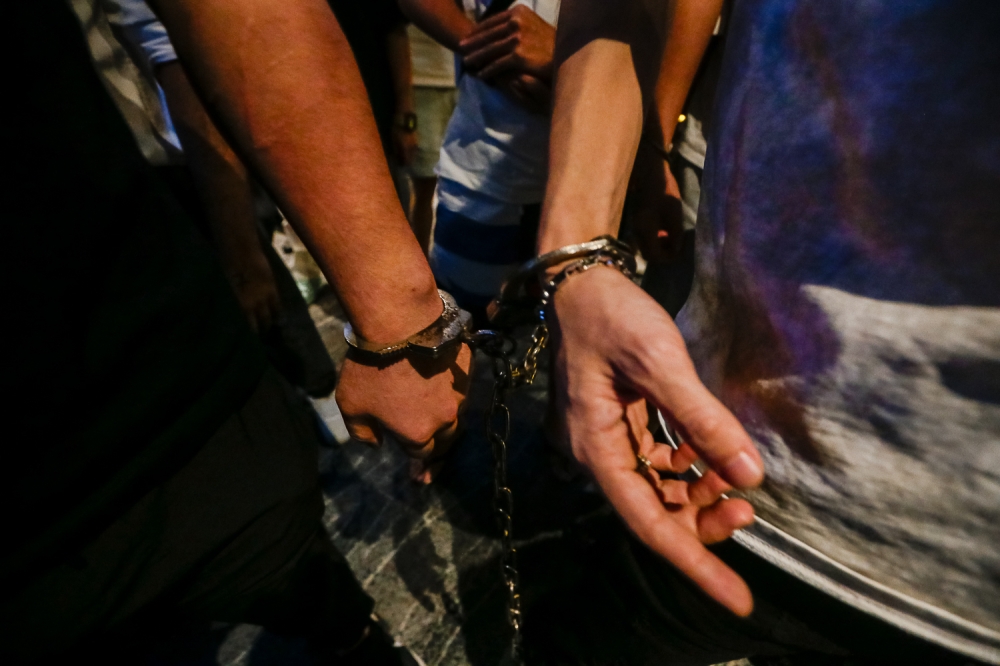
A foreign-national composer has been taken into police custody in Kuala Lumpur following allegations that he physically assaulted and verbally threatened a student attending a private educational establishment. The Cheras police district initiated the arrest as part of an ongoing investigation into the incident, which has raised questions about safeguarding protocols within Malaysia's private education sector.
The specifics surrounding the alleged assault remain under active investigation, with authorities gathering statements from witnesses and the complainant to establish a fuller picture of the circumstances. Police are treating the matter with appropriate seriousness given that it involves both a foreigner and allegations of violence directed toward a student, a particularly vulnerable population. The private institution where the incident occurred has not yet made public comments regarding its response or any internal disciplinary measures.
This incident highlights ongoing concerns about the conduct standards expected from expatriate professionals working within Malaysia's educational sphere. Foreign educators and specialists in creative fields bring valuable expertise to the country's learning institutions, yet their presence also requires robust oversight mechanisms to ensure student welfare and institutional integrity. The arrest underscores the importance of maintaining rigorous vetting procedures and clear codes of conduct that apply uniformly to all personnel, regardless of nationality.
Private educational institutions in Malaysia operate within a regulated framework overseen by the Ministry of Education, though standards and enforcement mechanisms vary considerably across individual establishments. Some institutions have implemented comprehensive safeguarding policies, while others face criticism for inadequate reporting systems and insufficient staff training on appropriate conduct. This case may prompt renewed scrutiny of whether existing oversight mechanisms are sufficiently robust to prevent misconduct and protect vulnerable learners.
The detention of the composer also reflects broader discussions within Southeast Asia regarding the accountability of foreign professionals. Malaysia, as an increasingly popular destination for international educators and specialist practitioners, must balance its openness to global talent with firm commitment to protecting its young population. The handling of this case will likely influence how other institutions assess their duty of care responsibilities and their relationships with foreign staff members.
Legal experts note that assault charges involving students carry significant gravity within Malaysia's criminal framework, particularly when combined with allegations of threatening behaviour. Depending on the severity and nature of the alleged assault, the composer could face charges under various sections of the Penal Code. The investigation phase will determine whether additional charges relating to threatening conduct or other offences emerge during questioning.
The student's family and the broader educational community will be watching the investigation's progression closely. Parents considering or maintaining their children's enrolment at private institutions naturally expect comprehensive safeguarding arrangements and swift institutional responses to any breach of duty. This incident may spark conversations among parents and administrators about the adequacy of current safety protocols, incident reporting procedures, and communication channels between institutions and families when allegations surface.
Institutional responses to such allegations carry reputational implications that extend beyond the immediate matter. Transparency, cooperation with authorities, and demonstrable commitment to student safety become essential for maintaining parental confidence. Institutions that demonstrate proactive approaches to addressing misconduct allegations and implementing systemic improvements tend to retain community support, whereas those perceived as defensive or evasive often face deeper trust erosion.
The composer's immigration status and work authorization will also likely form part of the investigation, as authorities verify whether all required documentation was properly maintained. Foreign professionals in Malaysia must hold appropriate work permits and adhere to conditions of their employment contracts. Any breach of employment conditions or visa regulations could compound the legal consequences faced by the accused.
Regional perspectives on this incident suggest that Southeast Asian countries increasingly recognize the need for harmonized standards regarding the conduct of international professionals working with young people. While immigration policies generally encourage qualified foreign specialists to contribute to local development, protective mechanisms must keep pace with globalisation. Educational institutions across the region are progressively adopting stricter vetting procedures, mandatory reporting systems, and clear pathways for students and families to raise concerns safely.
The investigation's outcome will potentially influence how Malaysia's private education sector approaches risk management and staff accountability going forward. Institutions may strengthen background-checking procedures, implement more comprehensive training on appropriate professional boundaries, and establish clearer escalation protocols for safeguarding concerns. These developments, while emerging from an unfortunate incident, could ultimately strengthen systemic protections for all students across Malaysia's private education landscape.

