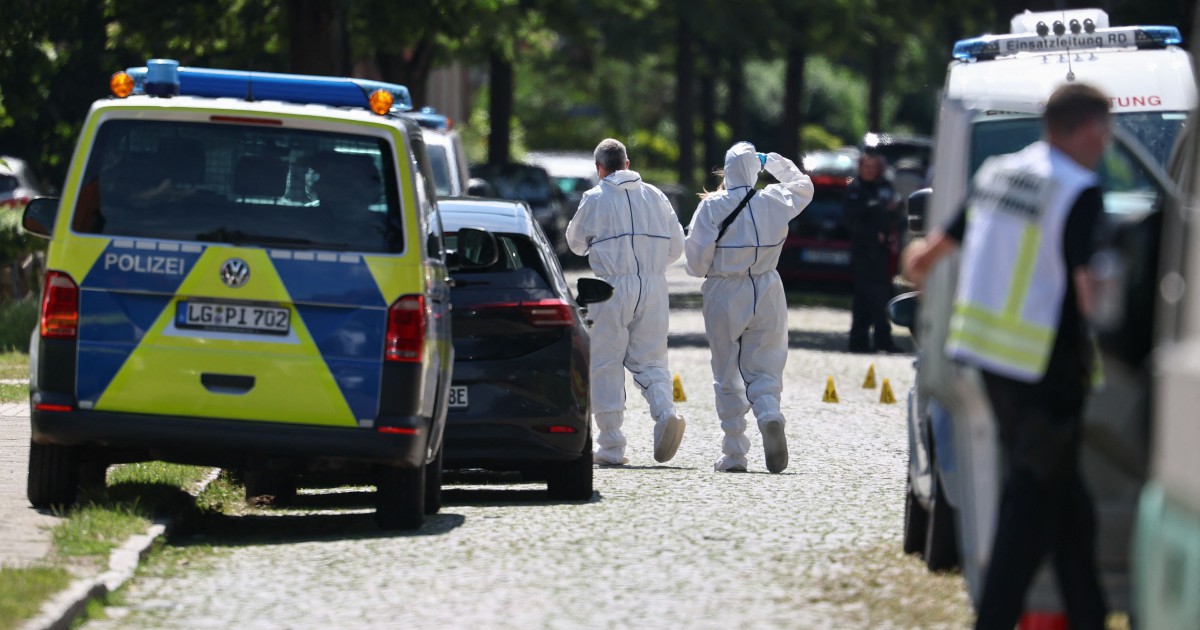
A shooting at a youth welfare facility in Stade, Germany, on Monday claimed five lives in what police have identified as one of the country's most lethal mass shooting incidents in recent memory. The suspected gunman has been taken into custody by authorities, effectively ending the immediate threat to the community.
The incident at the youth welfare centre represents a stark and troubling exception to Germany's generally stringent gun control regime. While Europe's largest economy maintains some of the world's most comprehensive restrictions on firearm ownership and use, occasional attacks have still penetrated these legal safeguards. Each such occurrence reignites national debate about the adequacy of existing security measures and screening processes for both weapons access and mental health intervention.
Youth welfare centres in Germany serve critical functions as community hubs offering social support, counselling, and recreational activities for young people and families. That the attack targeted such an institution suggests the incident struck at the heart of social care infrastructure designed to protect vulnerable populations. The psychological impact on surviving staff, young people, and families connected to the facility will likely extend far beyond the immediate casualty count.
Germany's approach to gun ownership is notably restrictive compared to many Western nations. Prospective owners must obtain permits through lengthy bureaucratic processes, pass background checks, undergo psychological evaluations, and demonstrate legitimate need through hunting or sport shooting clubs. Yet the recurrence of mass shooting events, however infrequent by international standards, indicates that even comprehensive legal frameworks cannot entirely eliminate determined individuals willing to circumvent regulations or exploit enforcement gaps.
The arrest of the suspected perpetrator represents a crucial step toward establishing what motivated this act of violence. Investigators will focus on determining whether the attack stemmed from personal grievances, mental health crises, ideological motivations, or other factors. Understanding such motives is essential not only for justice and accountability but also for identifying whether systemic vulnerabilities allowed someone to access weapons despite warning signs that authorities might have detected.
For Malaysian observers and regional security analysts, the incident underscores a broader international reality: no nation, regardless of its gun control stringency, remains entirely immune to mass violence. Malaysia itself maintains strict firearms regulations and has avoided mass shooting incidents comparable to those in some Western democracies, yet officials continue monitoring emerging threats and security vulnerabilities. The German case provides useful data about how advanced economies with comprehensive screening mechanisms still experience occasional breakdowns in prevention systems.
The timing and location of the Stade attack are particularly significant for understanding contemporary European security concerns. Youth welfare facilities typically employ limited security infrastructure, as their mission centres on openness and accessibility rather than fortress-like protection. The tension between maintaining welcoming community spaces and implementing defensive security measures remains unresolved across Europe and represents a fundamental policy challenge that security services, social workers, and policymakers must continually negotiate.
Medial and psychological factors frequently feature prominently in investigations of mass shootings. The incident will likely prompt German authorities to review whether established mental health screening procedures were applied during the suspect's earlier firearms licensing process, or whether significant warning signs emerged after licensing that should have triggered intervention. Such reviews, while painful, are essential for continuous improvement of prevention systems.
The psychological impact on Germany's collective consciousness of mass shooting events, though statistically rare in the country, cannot be underestimated. Each incident reinforces public anxiety and reignites political discussions about whether current regulations remain sufficient. For government officials and lawmakers, such events create pressure to demonstrate that protective measures are adequate, while for opposition voices, they become catalysts for arguments that regulations require tightening.
International security networks and investigative bodies will closely monitor the ongoing investigation. Europol and related European law enforcement coordination bodies maintain databases and analytical frameworks for understanding mass violence patterns across member states. Data from this incident will contribute to broader European understanding of threat landscapes and help inform future policy discussions among continental security authorities.
For the families of victims and the broader Stade community, the arrest of the suspect marks a turning point from acute crisis to the longer processes of grief, recovery, and rebuilding trust in community institutions. Mental health services will likely expand in response to address trauma among survivors and those affected indirectly by the violence. The incident will also prompt security reviews across similar facilities nationwide, as German officials assess whether additional protective measures should become standard.

